Physical Address
304 North Cardinal St.
Dorchester Center, MA 02124
Physical Address
304 North Cardinal St.
Dorchester Center, MA 02124


A simple, realistic guide to saving money this summer through small challenges that actually fit into everyday life without feeling restrictive.
The other day I opened my banking app while standing in the kitchen, waiting for the kettle to boil. Two grocery runs, one random online order, and a last-minute iced coffee later, and somehow the week’s budget was already gone. No big splurge. Just small leaks everywhere.
That is the annoying part about summer spending. It feels light and fun in the moment, but it stacks up fast. More outings, more snacks, more yes decisions.
So instead of trying to be perfect with money, I started treating it like a game. Small challenges. Short-term goals. A bit of pressure, but still flexible enough for real life.
If you want something practical that does not feel like punishment, these 16 money saving challenges to try this summer might actually stick.
Budgets look great on paper. Real life does not care.
Challenges, on the other hand, feel different. They are temporary. They give you a clear finish line. And they trick your brain into thinking you are doing something fun instead of restricting yourself.
Also, there is something satisfying about checking off small wins. Even if the win is just not ordering takeout for three days straight.
Takeaway: A short challenge feels easier to start and easier to finish than a perfect long-term plan.

Pick one weekend. No spending at all. Not even a quick coffee.
You will immediately notice how often you reach for your wallet out of habit. I did this and realized half my weekend spending came from boredom, not need.
Ideas to survive:
Takeaway: Most weekend spending is optional once you slow down.
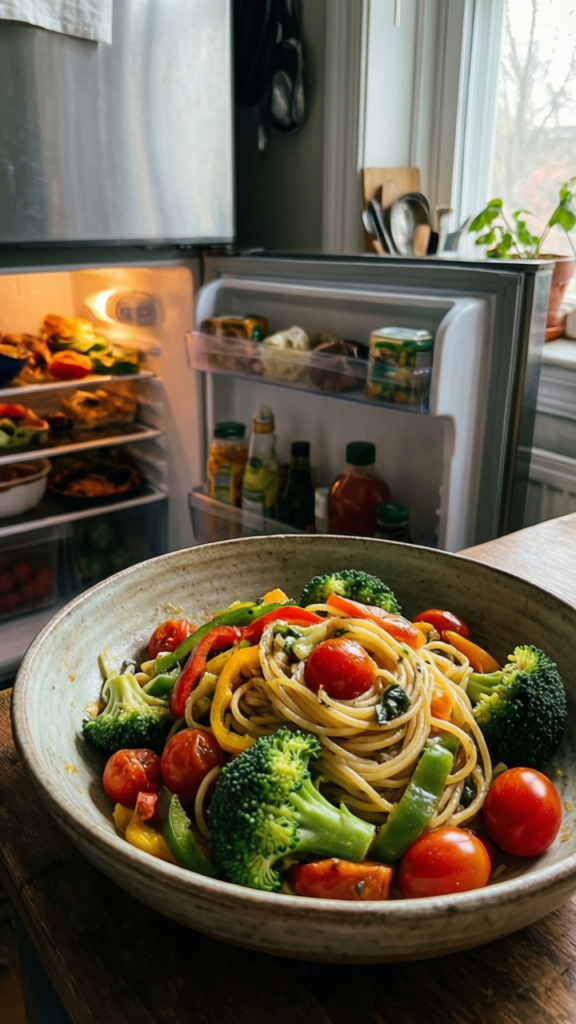
No grocery shopping for a full week. You cook only from what you already have.
This one gets creative real fast. I once made a very questionable pasta with canned beans and frozen veggies. It was not amazing, but it worked.
Bonus, your fridge actually gets cleaned out.
Takeaway: You already have more food than you think.
I also wrote a piece on saving money on groceries this summer, worth checking out when you have time.
Set a daily spending limit of five dollars. That is it.
It forces you to prioritize quickly. Coffee or snack. Not both.
This one is surprisingly hard, especially if you are used to casual spending. But it builds awareness fast.
Takeaway: Small limits create big awareness.
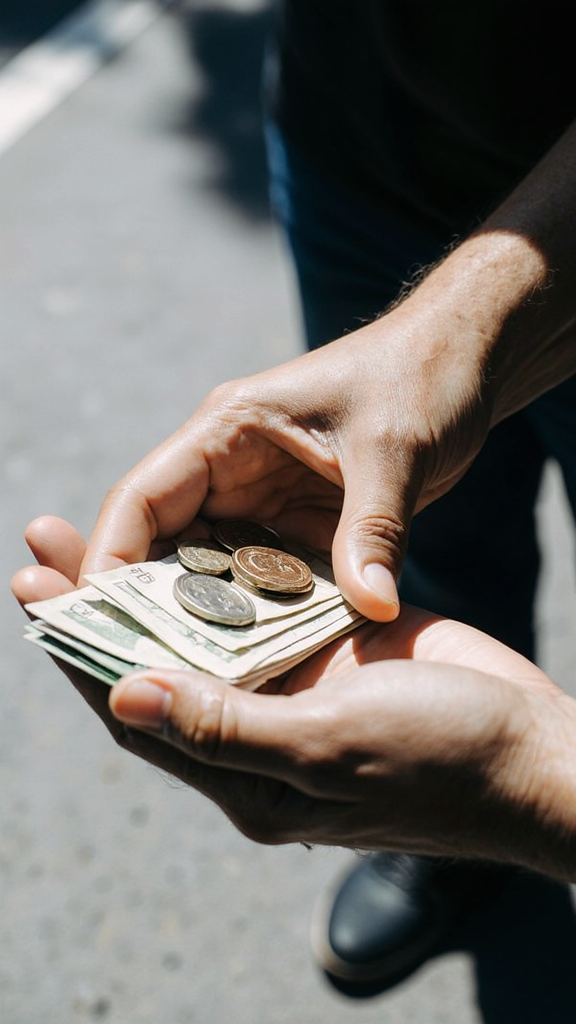
Withdraw a fixed amount of cash for the week. No cards allowed.
There is something about handing over physical money that makes you pause. Swiping feels too easy. Cash feels real.
Also, once it is gone, it is gone. No negotiating with yourself.
Takeaway: Physical limits reduce mindless spending.
No food delivery. No takeout. Nothing.
Yes, this one sounds dramatic. But it saves a lot more than you expect. Those small orders add up quietly.
Plan simple meals:
Keep it boring if needed. It is temporary.
Takeaway: Convenience costs more than you realize.
If you’re thinking about trying a 30-day no-spend challenge this July, I shared more details in my article.
Wear only a small set of clothes for the whole summer.
This cuts down on random shopping. It also makes mornings easier, which is a nice bonus.
I tried this after buying another dress I did not need. Turns out, I kept wearing the same five outfits anyway.
Takeaway: You do not need more clothes. You need fewer decisions.
Instead of starting small, start big.
Save a higher amount at the beginning of summer, then decrease weekly. It feels easier over time instead of harder.
For example:
Takeaway: Front-loading effort builds momentum early.
No new subscriptions all summer. None.
Streaming, apps, random trials you forget to cancel. It all counts.
Actually, take it further. Cancel one you do not use.
Takeaway: Small monthly charges quietly drain your budget.
Track Your Subscriptions Before They Drain Your Budget
Before you buy something, ask can I make this instead.
Some things will fail. That is fine. I once tried to DIY a home organizer and it looked like a school project gone wrong :/
But sometimes it works. And you save money.
Takeaway: Not everything needs to be bought ready-made.
Wait 24 hours before buying anything non-essential.
Most of the time, you forget about it. Or you realize you did not actually need it.
This one alone can cut a lot of impulse spending.
Takeaway: Time kills impulse purchases.
Set a fixed grocery budget and do not increase it no matter what.
This forces better planning. You think before you shop. You stop tossing random items into the cart.
It also reduces food waste, which is basically throwing money away.
Takeaway: Limits improve decision-making.
Every day, transfer a small random amount into savings.
Could be coins. Could be rounding up purchases. Could be whatever is left in your wallet.
It feels small, but it builds up quietly over the summer.
Takeaway: Small, consistent actions matter more than big rare ones.
No browsing. No scrolling shopping apps late at night.
You know exactly what happens at 11 pm. Everything suddenly feels necessary. It is not.
Unsubscribe from marketing emails if needed. Protect your attention.
Takeaway: Exposure leads to spending. Reduce the exposure.

Plan all your outings using free activities only.
Think:
I did this with my daughter one weekend and honestly, she enjoyed the park more than any paid activity.
Takeaway: Fun does not need a price tag.
Every week, sell something you do not use.
Clothes, books, random household items. You will be surprised how much you have.
Plus, it clears space at home. That alone feels good.
Takeaway: Decluttering can also earn you money.
Set one day a week to review your spending.
No stress. Just awareness.
Ask simple questions:
This habit alone changes how you spend over time.
Takeaway: Awareness is the foundation of better money habits.
Let’s be honest. Starting is easy. Sticking with it is the real work.
Here is what helped me:
You are not trying to win a prize here. You are building better habits.
Also, involve your family if you can. My daughter now reminds me we are on a no-spend day, which is both helpful and slightly annoying 🙂
Takeaway: Consistency beats perfection every time.
Summer always feels like a free pass to spend more. More outings, more treats, more everything.
But it does not have to drain your bank account.
These money saving challenges to try this summer are simple, flexible, and honestly a bit fun if you let them be. You do not need to do all of them. Just start with one and see how it goes.
Because at the end of the day, saving money is not about restriction. It is about paying attention.
And sometimes, just noticing where your money goes is enough to change everything 🙂