Physical Address
304 North Cardinal St.
Dorchester Center, MA 02124
Physical Address
304 North Cardinal St.
Dorchester Center, MA 02124


A simple 30-day no spend challenge that helps you break bad money habits, save more, and finally understand where your money is really going.
I checked my bank balance and nothing looked wrong at first. No huge purchases. No big mistakes. Just a bunch of small charges that felt harmless in the moment.
But together, they told a different story.
That quiet kind of spending is the hardest to notice and even harder to stop. Which is exactly why I decided to try a 30-Day No Spend Challenge for July.
If you’ve ever wondered where your money goes, this challenge will answer that real fast. It also helps you to pay your debt faster 😀

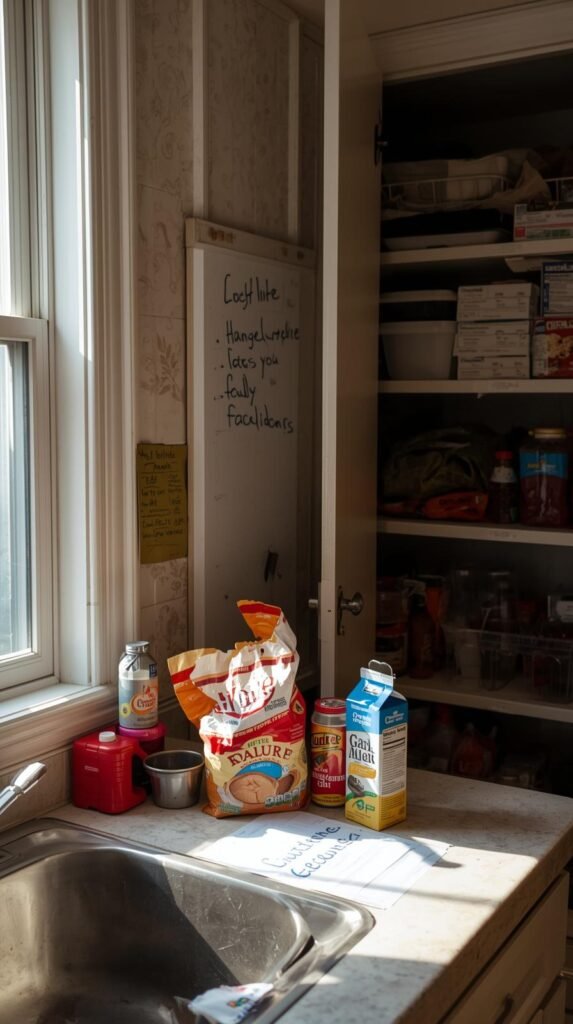
A no spend challenge is exactly what it sounds like. You stop spending money on non-essentials for a set period, usually 30 days.
You still pay your bills. You still buy groceries. You don’t live like a monk. But you cut out the extra stuff that quietly drains your wallet.
Think:
It sounds simple. It is not easy.
Takeaway: A no spend challenge is less about deprivation and more about awareness.
July has a weird energy. Half the year is gone. Vacations tempt you. Sales pop up everywhere. And somehow your spending starts to drift.
Also, summer activities can get expensive fast. Ice cream runs, weekend trips, kids being bored and suddenly needing entertainment every five minutes.
Starting a 30-Day No Spend Challenge helps you reset before the rest of the year spirals.
Plus, it gives you a clean midpoint checkpoint. You can actually fix things before December regret hits.
Takeaway: July is your financial reality check before the year gets away from you.
As a mom and business owner, my spending leaks are sneaky.
It’s not luxury shopping. It’s convenience.
Ordering food because I’m tired. Buying toys because I feel guilty for working late. Clicking add to cart because something is 30 percent off and apparently that means I’m saving money. Sure.
Last July, I tried this challenge for the first time. I failed on day 6. Bought coffee and a random planner I did not need.
Then I restarted.
By the end of the month, I saved more than I expected. But more importantly, I finally saw my habits clearly.
Takeaway: You don’t need perfect discipline. You need honest awareness.
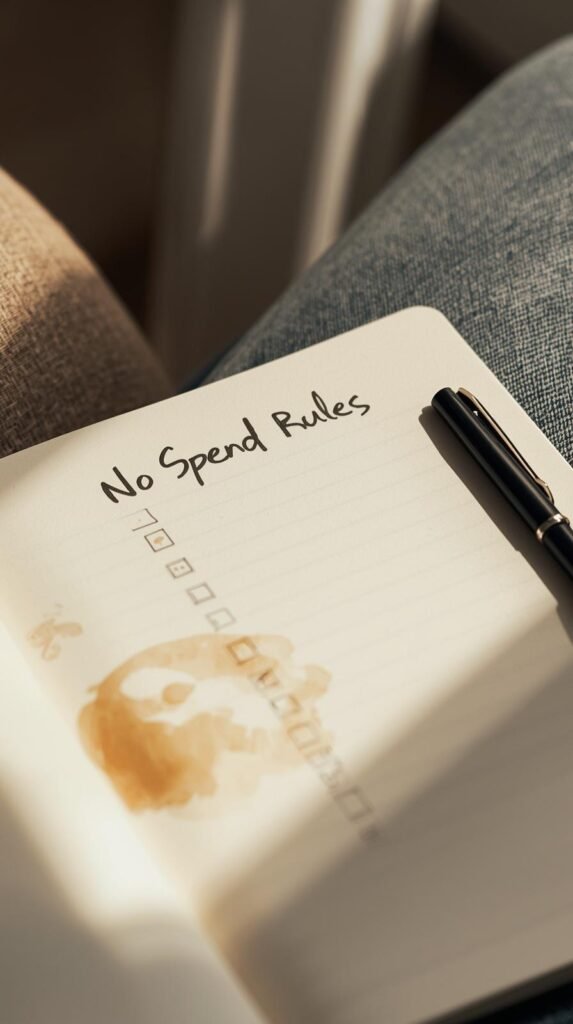
You don’t need complicated systems. You need rules you can remember when you’re tired and tempted.
FYI, the stricter you go, the faster you see results.
Takeaway: Clear rules remove decision fatigue and make the challenge easier to stick to.
This part trips people up.
Essentials are things you need to survive and function. Non-essentials are everything else that feels important in the moment.
Examples of non-essentials:
Be honest with yourself. If you can delay it for 30 days, it’s not essential.
Takeaway: If it can wait, it should wait.
Jumping in without a plan is a fast way to quit.
Here’s what I do before starting my 30-Day No Spend Challenge for July.
Use up what you already have. Plan meals around it.
You will be surprised how much food is hiding in your pantry.
Why are you doing this?
Write it down. Make it visible.
This matters more than you think.
When I told my husband and daughter, it stopped random spending requests. Well, mostly. Kids still try 🙂
Unsubscribe from emails. Delete shopping apps. Avoid browsing.
You don’t need willpower if you remove the triggers.
Takeaway: Preparation turns a hard challenge into a manageable one.
Let’s be honest. Motivation fades fast. Systems help you stay on track.
Every time you want to buy something, write it down instead.
After 30 days, check the list again. You will not want half of it.
Stop asking “Can I buy this?”, start asking ” Is it worth it?
That small purchase is not just money. It is your time and your future savings.
Why This Matters
Fewer trips mean fewer chances to spend.
A simple note on your phone helps more than you think.
Mine literally says do not ruin this for a latte =))
Takeaway: Small systems reduce the need for constant self-control.

Let’s not pretend this is easy.
Friends want to eat out. Family wants to shop. You feel awkward saying no.
Solution: Suggest alternatives. Coffee at home. Walks. Potluck dinners.
Stress hits and suddenly buying something feels like therapy.
Solution: Replace the habit. Go for a walk. Journal. Call a friend.
Spending often fills empty time.
Solution: Plan activities ahead. Free ones.
Takeaway: Most spending is emotional, not logical.

This is the part no one talks about enough.
You don’t just save money. You change how you think about it.
After my first successful 30-Day No Spend Challenge for July, I noticed:
And the best part?
I didn’t feel deprived. I felt in control.
IMO, that feeling is better than any purchase.
Takeaway: The mindset shift is more valuable than the money saved.
This depends on your habits.
But here’s a rough idea:
For me, I saved enough to cover a small family trip. Not luxury, but meaningful.
Track your savings weekly. Watching the number grow keeps you motivated.
Takeaway: Your small daily choices create big monthly results.
Consistency is everything here.
Don’t overcomplicate your rules halfway through.
If you slip once, don’t quit the whole challenge.
Restart the next day.
Not with spending. Find other ways.
Takeaway: Progress beats perfection every time.
This is where most people mess up.
They go back to old habits immediately.
Don’t do that.
Instead:
You don’t need to stay on a strict no spend forever. But you also don’t need to undo your progress in one weekend.
Takeaway: The goal is lasting change, not a temporary reset.
The point of this challenge is not to suffer through 30 days of restriction.
It’s to wake up a little.
To notice how often you spend without thinking. To question habits that feel normal but quietly hold you back.
By the end of July, you will not just have saved money. You will understand your behavior better. And that’s where real change starts.
So if your spending has felt a bit out of control lately, try this.
Not perfectly. Not aggressively. Just honestly.
Because sometimes the simplest reset is exactly what you need 🙂