Physical Address
304 North Cardinal St.
Dorchester Center, MA 02124
Physical Address
304 North Cardinal St.
Dorchester Center, MA 02124


A practical, no-stress guide to cutting grocery costs this summer with simple habits that actually work for real families.
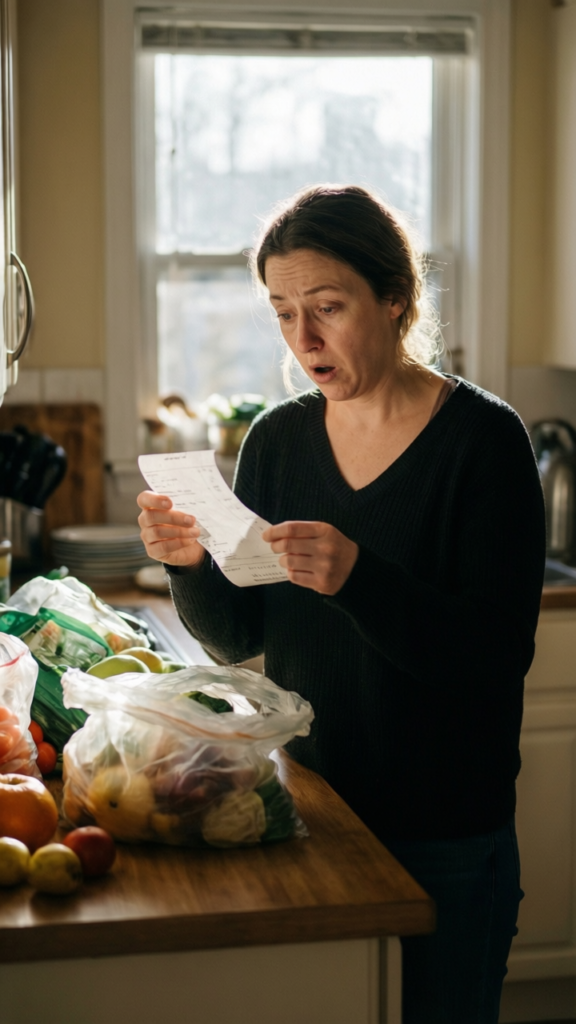
The cart looked normal. A few snacks, fruit, some quick meals for the week. Nothing wild. Then the total hit, and suddenly I stood there doing quiet math in my head, wondering how basic groceries turned into a small crisis.
Summer does that. Kids eat more. You shop more often. And somehow, you still feel like there is nothing to eat at home.
If you are trying to keep food spending under control without turning into the food police, you are not alone. I have tested a lot of things, failed at half of them, and finally found what actually works.
Let’s make grocery shopping a little less painful.

Not a strict meal plan. Just a direction.
Pick 4 to 5 main meals for the week. Leave space for leftovers and lazy days. This alone cuts random spending.
Takeaway: A loose plan keeps you focused without feeling trapped.
Before you even think about the store, check your fridge, freezer, and pantry.
I once bought pasta while already having three unopened packs at home. That was a moment.
Takeaway: You already own food you forgot about. Use it first.
Winging it at the store never ends well.
Write your list based on your plan. Then stick to it.
FYI, this one habit alone can cut your bill fast.
Takeaway: The list protects your budget from impulse decisions.
Spend less, waste less, and shop with a clear plan
Stop guessing what to buy and avoid those extra items that quietly blow your budget. This free tool helps you create a focused, realistic grocery list that actually matches your meals and routine.
This sounds basic. It still matters.
Shopping hungry turns everything into a good idea. Suddenly you need snacks you never even eat.
Eat something small before you go. It helps more than you think.
Takeaway: A full stomach leads to smarter choices.
Summer actually makes this easier.
Fruits and vegetables are cheaper when they are in season and taste better too.
Takeaway: Seasonal food costs less and tastes better.
Most of the time, the difference is packaging.
I switched slowly at first. Now I barely notice.
IMO, you will not miss the brand names.
Takeaway: Store brands offer the same value for less.
Give yourself a number and treat it like a challenge.
It makes you think before adding extras.
Takeaway: A limit creates awareness and control.
Not everything. Just the things you actually use.
Bulk works best for
Avoid bulk for items that expire fast.
Takeaway: Bulk saves money only when you use it all.
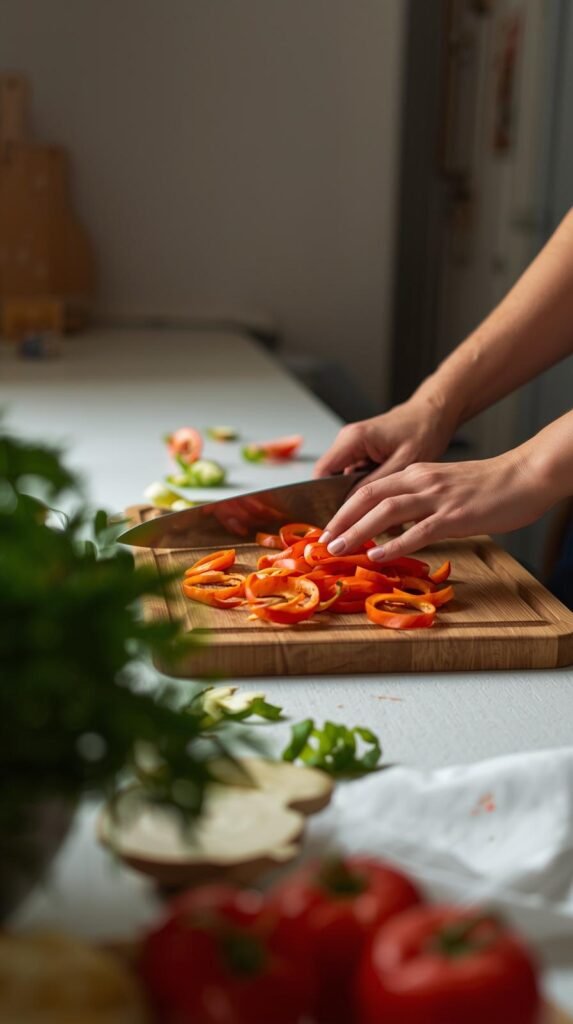
This saves both time and money.
Chop vegetables, cook proteins, and store them ready to use.
Takeaway: Prep once, save effort all week.
Pre-cut fruit and ready meals cost more. You are paying for time.
Sometimes it is worth it. Most times, it is not.
Cut and prep at home when you can 🙂
Takeaway: Convenience comes with a higher price tag.
The freezer is your safety net.
Freeze leftovers before they go bad. Store extra portions for busy days.
Takeaway: Freezing food saves money and reduces waste.
Flip your thinking.
Instead of deciding meals first, check what is on sale and build meals around that.
Takeaway: Let discounts guide your choices.
Meat is expensive. You do not need to cut it completely.
Just use less.
Takeaway: Small changes reduce costs without big sacrifices.
This prevents last-minute forgetting.
Keep a note on your phone or a paper list in the kitchen.
Takeaway: A running list keeps shopping efficient.

Snacks quietly destroy budgets.
Kids will eat whatever is available. So control what comes into the house.
Takeaway: Fewer snack choices save more money.
Juices, sodas, and fancy drinks add up fast.
Switching to water cuts a surprising amount from your bill.
Add fruit slices if you want variety.
Takeaway: Drinks are an easy place to save.
Every trip to the store increases spending.
Limit yourself to one main trip per week.
Takeaway: Fewer trips mean fewer chances to overspend.
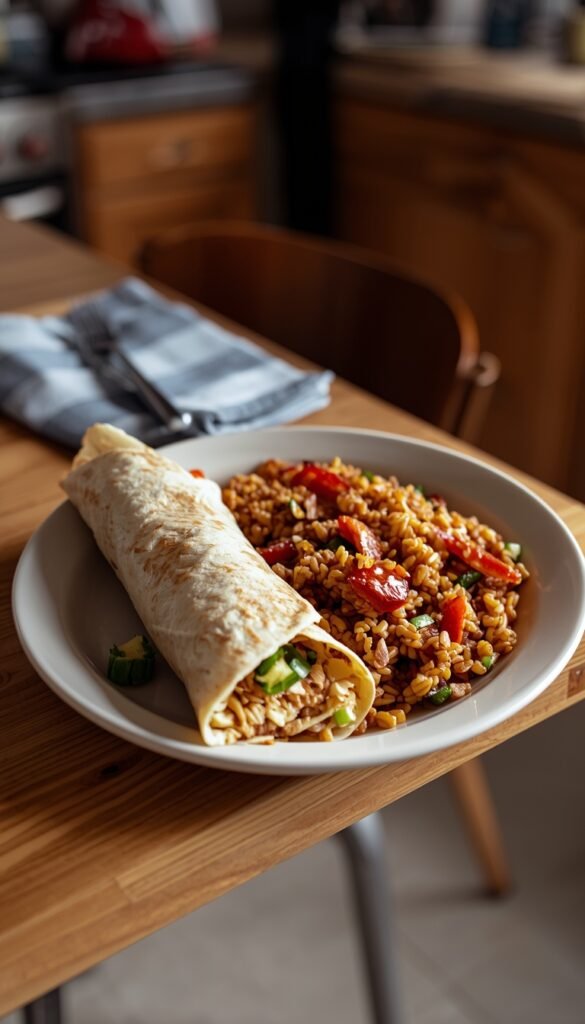
Leftovers do not have to feel boring.
Turn them into something new.
Takeaway: Reinvent leftovers instead of wasting them.
This one changed everything in our house.
Give them a small amount to choose snacks for the week.
They learn quickly when it is their money.
Takeaway: Kids respect limits when they are involved.
Some weeks will go off track. That is normal.
You will forget items, overspend, or order takeout.
It does not mean you failed. It just means life happened.
Takeaway: Consistency matters more than perfection.
Saving money on groceries during summer does not require extreme changes. It comes down to small habits that stack up over time.
You plan a bit. You stay aware. You adjust when needed.
That is it.
And honestly, once you stop letting groceries control your budget, everything else starts to feel easier. Not perfect. Just manageable in a way that actually lasts.
Don’t miss my other post on frugal living tips for families this summer, catch you there!