Physical Address
304 North Cardinal St.
Dorchester Center, MA 02124
Physical Address
304 North Cardinal St.
Dorchester Center, MA 02124


A practical guide to the small, often overlooked baby expenses that add up quickly and how to prepare for them without feeling overwhelmed.
You think you have it covered. You made a list, bought the big items, maybe even stayed under budget. Then the baby arrives and suddenly money starts slipping out in ways you did not plan for.
Not huge purchases. Just constant small things that quietly stack up. One extra item here, one unexpected cost there.
That is the part no one really explains. The hidden expenses. The ones that catch you off guard when you are already tired and adjusting to a whole new life.

Big purchases get all the attention. Cribs, strollers, car seats. You plan for those.
But the real strain often comes from smaller, repeated costs. They feel manageable in the moment, but together they shift your budget quickly.
The goal is not to predict everything. It is to be aware enough that nothing surprises you too much.
Small, hidden baby expenses can have a bigger long-term impact than one-time purchases.

You think you know how many you need. You do not.
Babies go through more than expected, especially in the early months.
Add in size changes and different brands, and costs increase fast.
Wipes seem cheap at first.
Then you use them for everything. Diapers, spills, random messes.
They become a constant expense.
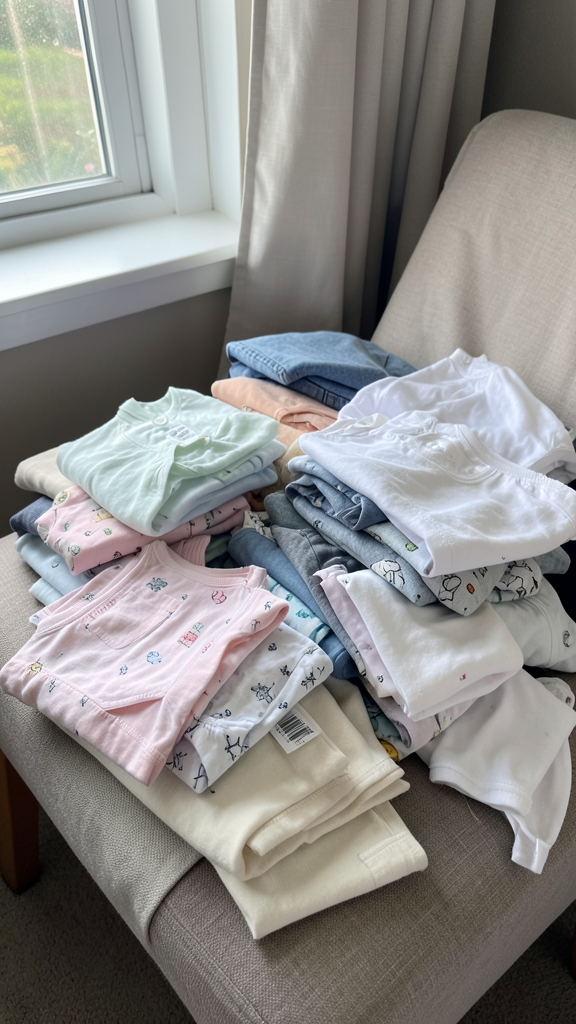
They grow fast. Faster than you expect.
Some outfits barely get worn before they no longer fit.
Buying too much too early can waste money.
Even if you plan to keep it simple, extra costs show up:
Feeding is not always as straightforward as planned.
Recurring baby essentials often cost more over time than expected.
More clothes. More mess. More washing.
Your water and electricity bills will reflect that.
It is not dramatic, but it is noticeable.
You start with basics, then add more:
You test what works. That trial adds cost.
Routine checkups are expected.
But there are also:
These add up quickly.

You are tired. You need help.
That leads to:
It makes life easier, but it costs more.
Some items seem unnecessary until you need them.
Then suddenly you are buying:
Not everything works the first time.
Flexibility in your budget helps you handle unexpected baby needs.
Even a few hours of help costs money.
Babysitters, daycare, or family support with expenses.
This can become a regular part of your budget.
More trips:
Fuel and transport expenses increase.
Small changes at home:
Each piece seems small, but together they add up.
Birthdays, holidays, visits.
You start spending not just on your baby, but around your baby.
It becomes part of your routine.
Lifestyle changes around your baby often bring indirect expenses.
This one hits harder than expected.
Time off work or reduced hours changes your income flow.
It is not always planned in detail.
You will need things too:
Taking care of yourself is part of the cost.
Your needs matter too and should be part of your financial plan.

You cannot plan for every expense. That is just reality.
What helped me was shifting my mindset. Instead of trying to predict everything, I focused on staying flexible.
I kept a small buffer and adjusted as things came up. Some months felt heavier than others. That is normal 🙂
Awareness changes everything.
Once you know these hidden baby expenses exist, you stop feeling caught off guard. You expect a bit of unpredictability.
FYI, that alone reduces stress more than any perfect budget ever could.
These hidden baby expenses every new parent should prepare for are not meant to scare you. They are meant to prepare you.
Start by building a small cushion. Keep your system simple. Stay flexible.
You will not get everything right. No one does.
But if you stay aware and adjust along the way, you will handle it better than you think.
And once you settle into your new routine, these expenses stop feeling overwhelming. They just become part of your life as a parent.