Physical Address
304 North Cardinal St.
Dorchester Center, MA 02124
Physical Address
304 North Cardinal St.
Dorchester Center, MA 02124


Budgeting becomes much easier when you follow simple habits that fit your real life instead of trying to be perfect.
The total jumps higher than expected and you pause for a second before tapping your card anyway. You tell yourself it’s fine. You’ll figure it out later.
That “later” keeps getting pushed.
If you’ve ever felt like your money disappears faster than you can track it, you’re not alone. Budgeting sounds simple until you actually try to stick to it in real life.
The good news is you don’t need a perfect system. You just need a few smart habits that actually work. These 15 Genius Budgeting Tips for Beginners will help you take control without feeling overwhelmed.

Budgeting isn’t difficult because of math. It’s difficult because of habits.
Most beginners struggle because:
When I first started, I thought I needed a perfect plan. Turns out, I needed a realistic one.
Takeaway: Budgeting works when it fits your life, not when it looks perfect on paper.

Don’t guess your budget. Look at your current habits.
Check your last 1 to 2 months of spending:
You might be surprised where your money actually goes. I definitely was 🙂
Takeaway: Your real spending is the best starting point for your budget.
You don’t need 20 categories.
Start with:
That’s enough to get going. You can always refine later.
Takeaway: Simple budgets are easier to follow and maintain.

Unassigned money gets spent. Every time.
Before the month starts, decide:
This creates structure without feeling restrictive.
Takeaway: Money works better when it has a clear job.
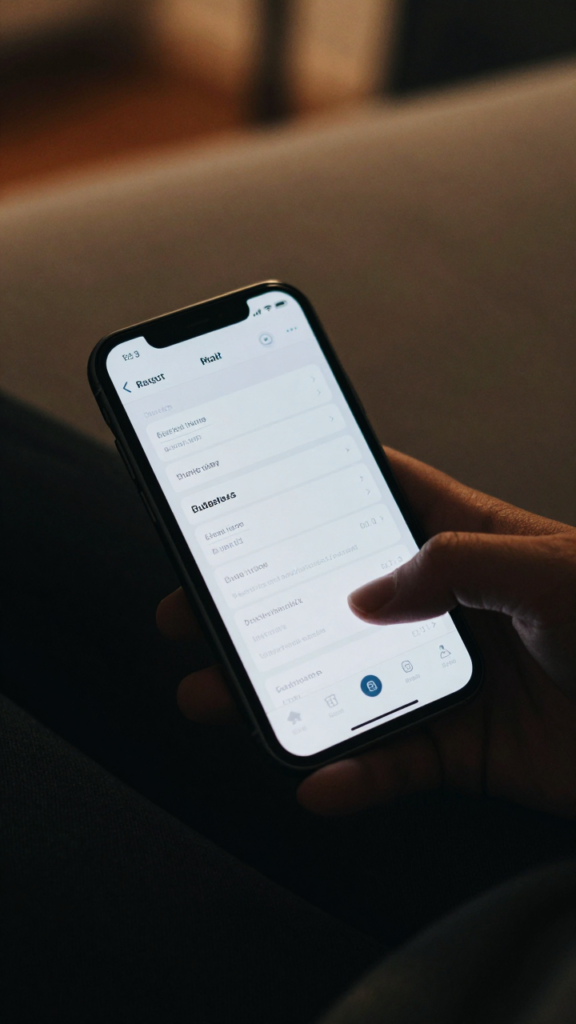
Tracking matters, but it doesn’t need to take over your life.
Pick a method:
I prefer quick daily check-ins. It takes less than a minute and keeps me aware.
Takeaway: Consistency matters more than perfection.
You will overspend sometimes.
You’ll forget to track. You’ll go over budget one weekend. It happens.
The key is to keep going instead of quitting.
Takeaway: One bad day does not ruin your entire budget.
Before you aim for big savings goals, start small.
Even a basic buffer helps:
When something goes wrong, and it will, you’ll be ready.
Takeaway: A small safety net makes a big difference.
If you tend to overspend in certain areas, try cash.
For example:
When the cash is gone, you’re done. Simple and effective.
It feels old-school, but it works :/
Takeaway: Physical limits help control emotional spending.
Don’t try to fix everything at once.
Start small:
Small wins build momentum.
Takeaway: Gradual changes are easier to maintain long term.
Budgets that feel restrictive don’t last.
Set aside a small amount for:
This keeps you from feeling deprived.
Takeaway: Enjoying your money is part of managing it well.
Make saving automatic so you don’t have to think about it.
Set up:
Once it’s done, it’s done.
FYI, this is one of the easiest ways to stay consistent.
Takeaway: Automation removes effort and builds discipline.
Don’t wait until the end of the month.
Check in weekly:
This keeps small issues from turning into big problems.
Takeaway: Regular check-ins keep your budget realistic.
Everyone’s situation is different.
Different income, different priorities, different responsibilities.
Focus on what works for you.
IMO, comparison is one of the fastest ways to feel discouraged.
Takeaway: Your budget should reflect your life, not someone else’s.
Long-term goals are great, but short-term wins keep you motivated.
Examples:
These feel achievable and rewarding.
Takeaway: Small goals build confidence and momentum.
Your budget is not fixed.
Life changes. Expenses shift. Priorities evolve.
Update your plan when needed.
This keeps your budget useful instead of frustrating.
Takeaway: Flexibility makes your budget sustainable.
You don’t need to get everything right.
You just need to improve over time.
Some months will be better than others. That’s normal.
What matters is that you keep showing up.
Takeaway: Progress is what builds long-term success.
Each tip helps on its own. Together, they create a system that feels manageable.
Here’s how it flows:
It becomes part of your routine.
Not exciting, but very effective.

Budgeting won’t fix everything overnight.
You’ll still face unexpected expenses. You’ll still have moments of doubt.
But over time, you’ll feel more in control.
And that feeling is worth it.
The 15 Genius Budgeting Tips for Beginners are not about strict rules. They’re about building habits that make your life easier.
When you stop guessing and start planning, everything shifts. Money becomes something you manage, not something that surprises you.
Start small. Pick one tip and try it this week.
Because the sooner you take control of your money, the sooner your money stops controlling you.
If you’re budgeting as a team, check out these practical summer budgeting tips for couples to stay on track while still enjoying the season together.