Physical Address
304 North Cardinal St.
Dorchester Center, MA 02124
Physical Address
304 North Cardinal St.
Dorchester Center, MA 02124


A simple, realistic guide to managing your money with easy habits that work even if you hate spreadsheets and overcomplicated systems.
You open a budgeting spreadsheet, stare at the empty cells, and suddenly feel tired for no reason. Numbers everywhere, tabs you do not understand, formulas waiting to break. You close it and tell yourself you will deal with money later.
That was me for a long time. I run a business, manage a home, raise a kid, and still could not stick to a budget that involved spreadsheets. It felt like homework after a full day.
So I stopped trying to be perfect. I built a system that fits real life, not a finance textbook. If you hate spreadsheets, this will feel a lot more doable.

Most budgeting advice assumes you have time, focus, and patience. That sounds nice, but life is messy. Kids need things, clients send late payments, and random expenses show up without warning.
Spreadsheets demand consistency. Real life gives you interruptions.
What worked better for me was simplifying everything. Less tracking, more awareness. Less pressure, more control.
If your budget feels hard to maintain, the system is the problem, not you.
Forget categories for a moment. Start with one simple number. How much can you spend this week without stress?
That is it. No breakdown, no formulas.
Once I started using a weekly number, things clicked. It felt manageable. Like a boundary instead of a restriction.
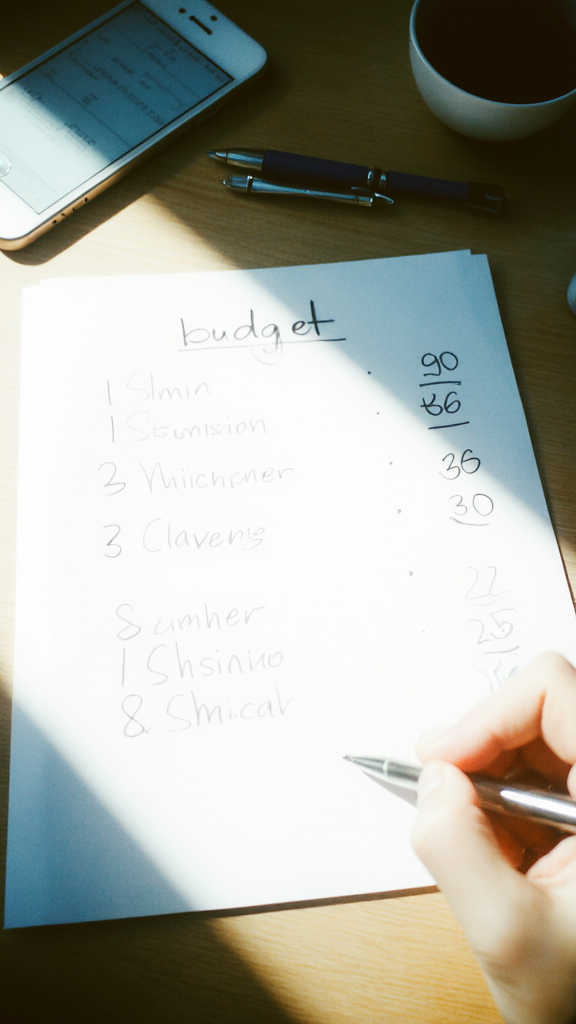
Monthly budgets feel far away. You overspend early and spend the rest of the month recovering.
Weekly budgets fix that. You reset every seven days.
Here is how I do it:
Short time frames make budgeting easier to follow and less stressful.
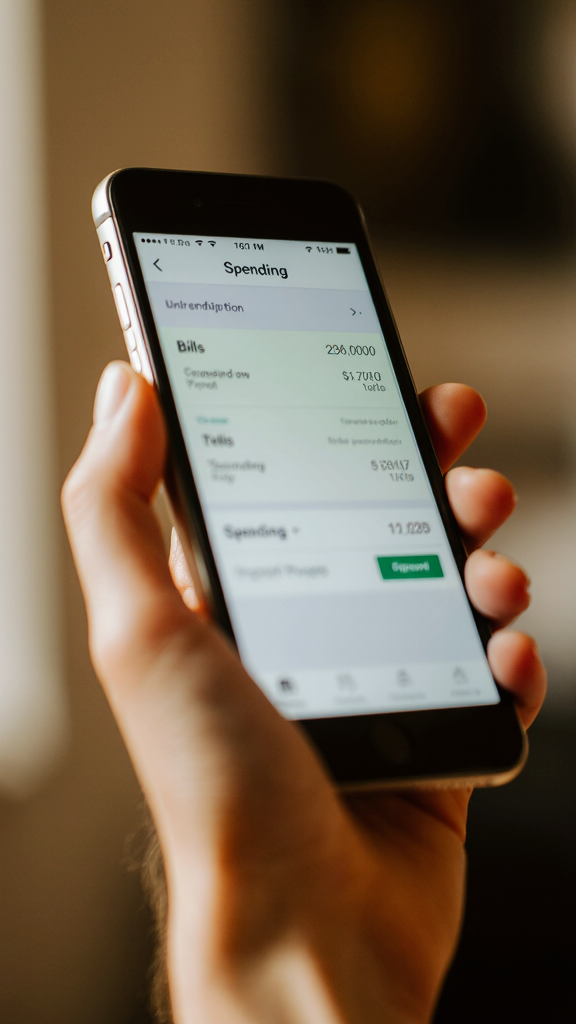
This changed everything for me. Bills are not spending. They are fixed and predictable.
I keep them in a separate account. Rent, utilities, subscriptions. Done.
What is left becomes my actual spending money. No confusion, no guessing.
You do not need to track every small expense. That is where most people quit.
Instead, track:
Ignore tiny purchases. Focus on what actually moves the needle.

If your budget feels strict, you will break it. It is just how it works.
I always include a small amount for guilt-free spending. Coffee, snacks, random things.
It keeps me sane. And honestly, it prevents bigger mistakes later 🙂
A good budget includes room for enjoyment, not just discipline.
You do not need spreadsheets. Use what feels easy.
Some options:
I use my phone notes most days. It is not pretty, but it works. That is enough.
This one used to mess me up. Birthdays, school fees, random repairs.
They are not surprises. They just feel like it.
Set aside a small amount each week for these. Even a little helps.

You do not need daily check-ins. That gets tiring fast.
Pick one day each week. Sit down for ten minutes.
Look at what you spent. Adjust if needed. Move on.
You do not need to cut everything at once. That is overwhelming.
Start small:
Small changes stack over time. FYI, this is where long-term savings really grow.
Lowering fixed costs creates space without constant effort.
Some weeks will go off track. You will overspend. Something unexpected will come up.
That does not mean your system failed.
It just means you are human. IMO, the goal is not perfect budgeting. The goal is staying aware and adjusting.
Consistency matters more than getting everything right every time.
Budgeting does not need to feel like a second job. It should support your life, not control it.
When I stopped forcing myself to use spreadsheets, I actually became better with money. Funny how that works.
Now my system fits into my day instead of interrupting it. Quick checks, simple rules, no stress.
And yes, I still buy coffee. I just know where my money is going now :/
These budgeting tips for beginners who hate spreadsheets are built for real life. They are simple, flexible, and easy to stick with.
You do not need perfect tracking. You do not need complicated tools.
You just need a system you will actually use.
Start small. Pick one or two tips and try them this week. See how it feels. Adjust as you go.
At the end of the day, budgeting is not about control. It is about clarity. And once you have that, money stops feeling so overwhelming.