Physical Address
304 North Cardinal St.
Dorchester Center, MA 02124
Physical Address
304 North Cardinal St.
Dorchester Center, MA 02124


A practical, real-life guide to cutting everyday expenses and building smarter money habits without feeling restricted or overwhelmed.
The cart total jumps higher than expected. You stare at the screen for a second, debating whether to remove a few items or just hit checkout and deal with it later. It feels small in the moment, but those tiny decisions stack up fast.
Most people are not bad with money. They are just busy, tired, and making quick choices that slowly drain their budget. I have been there, juggling freelance work, family life, and a growing list of expenses that seemed harmless on their own.
If you are looking for 21 creative ways to cut expenses and save more money, this is not about extreme frugality or giving up everything you enjoy. It is about being intentional, a little clever, and realistic about how life actually works.
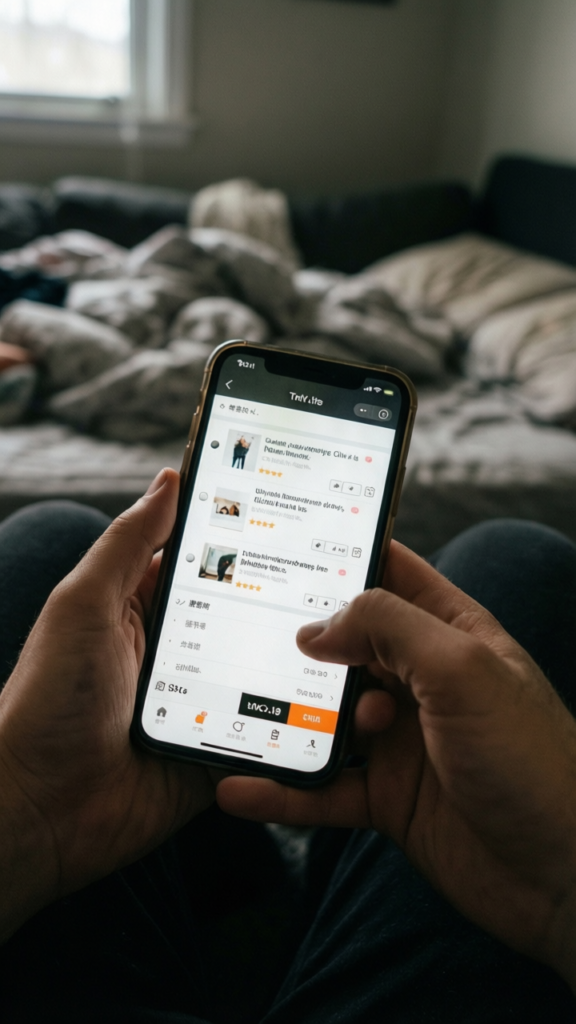
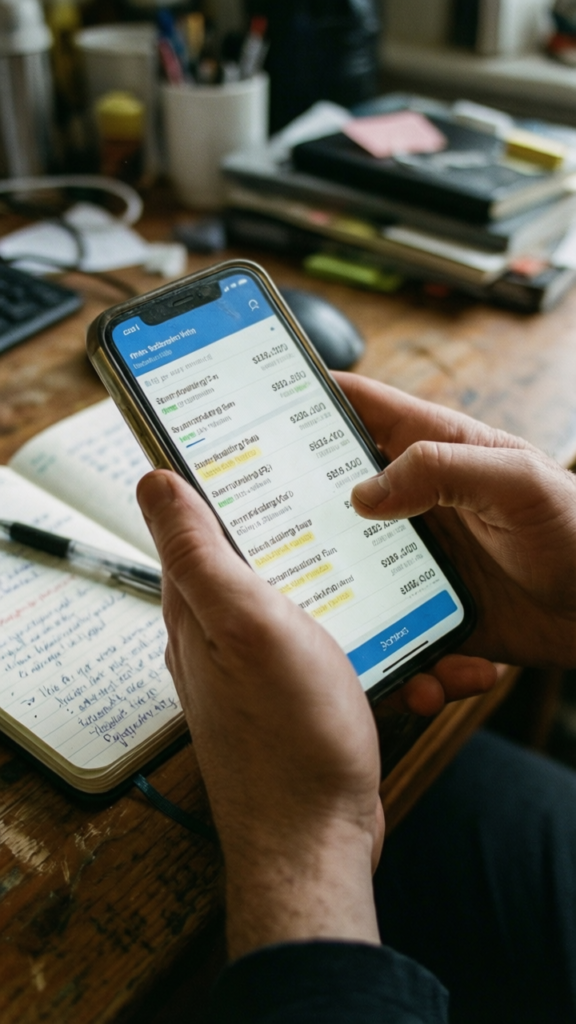
Subscriptions hide quietly in your account, charging you every month.
Go through your bank statement and cancel anything that does not add real value.
Takeaway: If you would not sign up for it again today, cancel it.
I used to think brand names meant better quality. Turns out, many generic products work just fine.
Start with basics:
You probably will not notice a difference, but your wallet will.
Takeaway: Brand loyalty is expensive and often unnecessary.
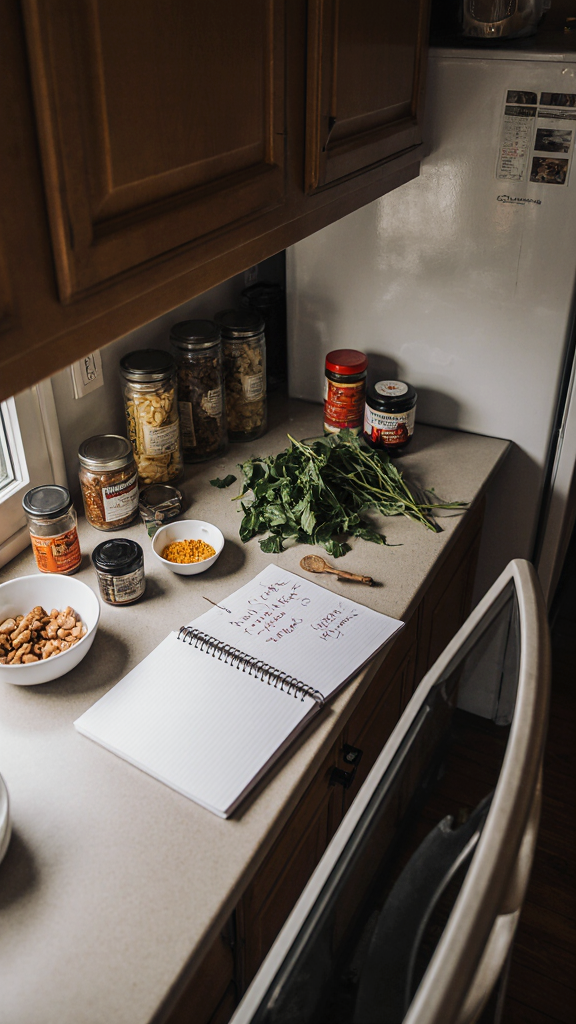
Opening the fridge and wondering what to cook leads to takeout. Every time.
Instead:
This habit alone cut our grocery bill more than I expected.
Takeaway: Use what you have before buying more. Simple but effective.
Pick one day where you spend nothing. Not even coffee.
At first it feels restrictive. Then it becomes a small game.
You start noticing how often you spend out of habit, not need.
Takeaway: Awareness changes behavior faster than rules.
Some expenses spiral easily. For me, it was snacks and random online shopping.
Switch to cash for those categories. When the cash is gone, you stop.
No mental gymnastics required.
Takeaway: Physical limits make budgeting easier.
Yes, you can actually do this.
Call your provider and ask:
It feels awkward the first time. Then you realize how often it works 🙂
Takeaway: Asking can save you more than you expect.
Not everything needs to be premium.
We downgraded a few plans and barely noticed the difference.
Takeaway: Pay for what you use, not what sounds nice.
If you live with a partner or family, share resources.
This cuts costs without cutting comfort.
Takeaway: Sharing reduces duplicate spending.
Insurance often sits untouched for years.
Compare options and adjust:
It takes time, but the savings add up.
Takeaway: Set a reminder to review insurance annually.
Cooking at home saves money, but only if you actually do it.
Start small:
No need to become a chef overnight.
Takeaway: Consistency beats ambition in the kitchen.
Impulse buys feel urgent. They are not.
Wait two days before buying non-essential items.
Most of the time, you will lose interest.
Takeaway: Time filters out unnecessary spending.
Cutting all fun backfires fast.
Give yourself a small, guilt-free budget for:
This keeps you balanced and prevents binge spending later.
Takeaway: Controlled fun is better than total restriction.
Add items to a wishlist instead of buying immediately.
Review it weekly or monthly.
You will notice how many things you no longer want.
Takeaway: Not every desire needs instant action.
Social media makes spending look normal and constant.
Unfollow accounts that trigger unnecessary spending.
Out of sight, out of mind.
Takeaway: Reduce exposure to reduce temptation.
Before buying something, ask how often you will use it.
A higher upfront cost can be worth it if you use it regularly.
Cheap items that sit unused are the real waste.
Takeaway: Value matters more than price.
Set up automatic transfers to your savings account.
Treat savings like a fixed expense.
You adjust to what is left without overthinking it.
Takeaway: Automation removes decision fatigue.
Round your purchases up and save the difference.
It feels small, but it adds up quietly over time.
Think of it as passive saving.
Takeaway: Small amounts still count.

Monthly budgets can feel too broad.
Break it down into weekly limits.
This makes it easier to stay on track and adjust quickly.
Takeaway: Shorter time frames improve control.
Unused items sit around while your money stays locked in them.
Sell:
We cleared out a closet once and made a surprising amount.
Takeaway: Decluttering can fund your savings.
Small changes reduce utility bills.
It sounds basic, but it works.
Takeaway: Habits impact bills more than you think.
Keep your savings goal visible.
When you see progress, you stay motivated.
Takeaway: Visibility drives consistency.
You do not need all 21 strategies immediately.
Start with a few and build gradually.
Cutting everything fun leads to burnout.
Balance matters.
Small purchases feel harmless but add up fast.
Awareness is key.
Takeaway: Progress comes from consistency, not perfection.
Balancing work, family, and money is messy. Some months we nailed it. Other months felt like a reset.
What helped most was keeping things flexible. We adjusted instead of quitting. We laughed at small mistakes instead of turning them into big problems.
Cutting expenses did not feel like losing something. It felt like gaining control.
These creative ways to cut expenses and save more money are not about living a smaller life. They are about making space for what matters.
Start with one or two changes. Build from there. Keep it realistic and forgiving.
Saving money is not about being perfect. It is about being intentional, one decision at a time.
And next time that cart total jumps higher than expected, you might pause just long enough to make a different choice.