Physical Address
304 North Cardinal St.
Dorchester Center, MA 02124
Physical Address
304 North Cardinal St.
Dorchester Center, MA 02124


A practical, no-stress guide to help you stick to your budget, avoid overspending, and build consistent money habits that actually last.
You open your banking app for a quick check. It was supposed to be a quick check. Then you start doing mental math, scrolling through transactions, wondering how it added up so fast.
Nothing looked extreme. Just normal spending. A few small things here and there. Somehow it still pushed you off track.
If that feels familiar, you’re not alone. Sticking to a budget is not about knowing what to do. It’s about actually doing it consistently. These 17 easy ways to stick to a budget and not overspend will help you stay on track without feeling restricted.

Overspending doesn’t come from one big decision.
It comes from small, repeated choices. Convenience. Habit. Mood. Lack of structure. It all adds up quietly.
The goal is not to eliminate spending. It’s to guide it.
Takeaway: Overspending is usually a pattern, not a one-time mistake.
Vague budgets don’t work.
Decide exactly how much you can spend in each category. Not a guess. A real number based on your income.
Clarity removes confusion.
Takeaway: Clear limits make decisions easier.
Monthly budgets feel too far away.
Break your money into weekly amounts. It’s easier to track and adjust quickly.
You’ll notice problems sooner.
Takeaway: Weekly budgets improve control.

You don’t need to track forever.
Track every expense for one or two weeks. It shows where your money actually goes.
Some of it might surprise you 🙂
Takeaway: Awareness leads to better habits.
Don’t wait to save what’s left.
Set up automatic transfers after you get paid. Even a small amount helps.
It builds consistency.
Takeaway: Pay yourself first.
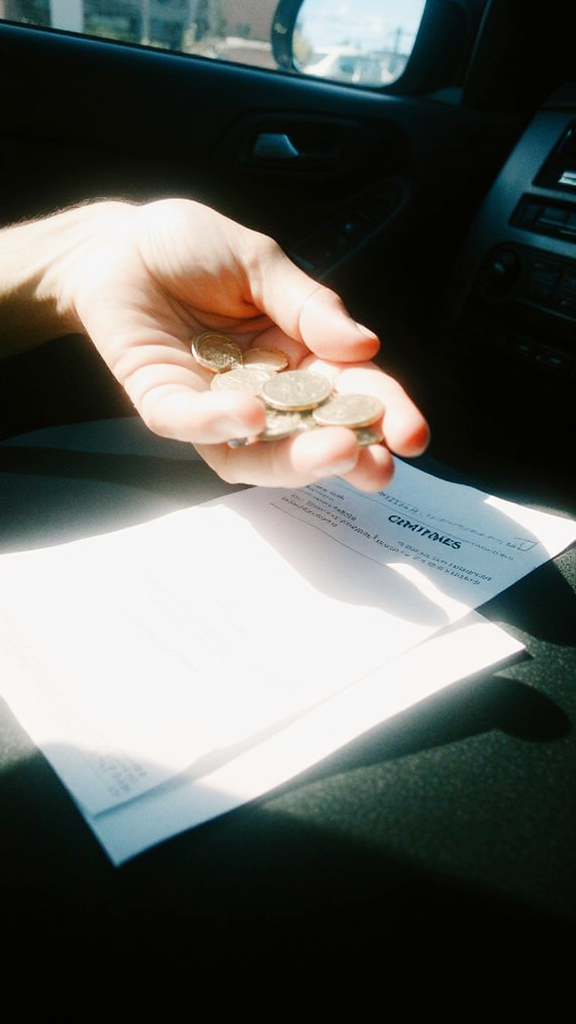
If you overspend in certain categories, switch to cash.
When it’s gone, it’s gone.
No debate needed.
Takeaway: Cash creates natural limits.
Random spending leads to overspending.
Plan your purchases in advance. Groceries, outings, small extras.
You stay in control.
Takeaway: Planning reduces impulse spending.

If it’s not urgent, wait.
Give yourself a few days before buying. Most impulses fade.
This one habit saves a lot.
Takeaway: Time reduces unnecessary spending.
Convenience feels small but costs more.
Delivery, quick purchases, last-minute decisions. They add up fast.
A little planning avoids this.
Takeaway: Convenience is expensive over time.
Big numbers feel abstract.
A daily limit feels real. It helps you stay aware throughout the day.
It keeps spending grounded.
Takeaway: Daily limits keep you in check.
Subscriptions are easy to forget.
Review them and cancel what you don’t use regularly. FYI, most people find more than expected.
That’s quick money back.
Takeaway: Recurring costs quietly drain your budget.
Stop losing money to small recurring charges you barely notice
What this free tool helps you do
Complex systems fail.
Keep it basic. Income, essential expenses, savings, and flexible spending.
You can adjust later.
Takeaway: Simple budgets are easier to maintain.
Boredom spending is real.
Scrolling leads to buying. Even when you don’t need anything.
Find other ways to fill that time.
Takeaway: Your habits influence your spending.
Don’t plan every dollar.
Leave a small buffer for unexpected expenses. It prevents stress when something comes up.
Flexibility matters.
Takeaway: A small cushion keeps you on track.

Don’t ignore it until the end of the month.
Check your spending weekly. Adjust if needed.
It keeps things under control.
Takeaway: Regular check-ins prevent overspending.
If your goals feel impossible, you won’t stick to them.
Start small. Build gradually.
Consistency matters more than speed.
Takeaway: Realistic goals keep you motivated.
Keep your goals visible.
A note, a number, something simple. It reminds you why you’re budgeting.
It helps you stay focused.
Takeaway: Visibility strengthens discipline.
You will overspend sometimes.
That doesn’t mean your system failed. It means you adjust and keep going.
Perfection is not the goal :/
Takeaway: Consistency matters more than perfection.
There was a time when I kept wondering why my budget never worked.
I had the numbers. I had the plan. I just didn’t follow it consistently.
The shift came when I simplified everything. Weekly budgets, cash for certain categories, and regular check-ins. Nothing fancy.
But suddenly, it worked. Not perfectly, but reliably. IMO, that’s what matters.
Takeaway: Simple systems are easier to follow long term.
Without limits, spending becomes guesswork.
They seem harmless but add up quickly.
If it feels impossible, you won’t stick with it.
Out of sight means out of control.
Takeaway: Awareness and balance prevent most problems.
You don’t need a perfect system.
You need something you can follow even on busy days. Keep it simple. Keep it realistic.
Adjust when needed. Learn as you go.
Takeaway: Consistency beats complexity every time.
Sticking to a budget is not about discipline alone.
It’s about creating a system that works with your habits, not against them.
Start small. Use a few of these tips. Build from there.
And the next time you check your balance, it won’t feel confusing. It’ll feel controlled. And that changes everything.