Physical Address
304 North Cardinal St.
Dorchester Center, MA 02124
Physical Address
304 North Cardinal St.
Dorchester Center, MA 02124


A simple, practical guide to frugal living that helps you cut expenses, build better habits, and take control of your finances without feeling restricted.
The cart looks normal. A few groceries, maybe a snack, something small for the house. Then the total pops up and you pause for a second. Not shocked, just tired of the pattern.
Money keeps slipping through in ways that don’t feel obvious. You’re not reckless. You’re just busy, making quick decisions all day.
That’s where frugal living actually helps. Not extreme, not restrictive. Just smarter choices that stack over time. These 16 frugal living tips that will transform your finances are simple, realistic, and honestly doable.

Frugal doesn’t mean cheap or boring.
It means being intentional. You spend on what matters and cut what doesn’t. That’s it.
You’re not removing joy. You’re removing waste.
Takeaway: Frugal living is about control, not deprivation.

Don’t commit to forever.
Track every expense for just one week. You’ll see patterns fast. Some of them might annoy you enough to change 🙂
Takeaway: Awareness is the first step to change.
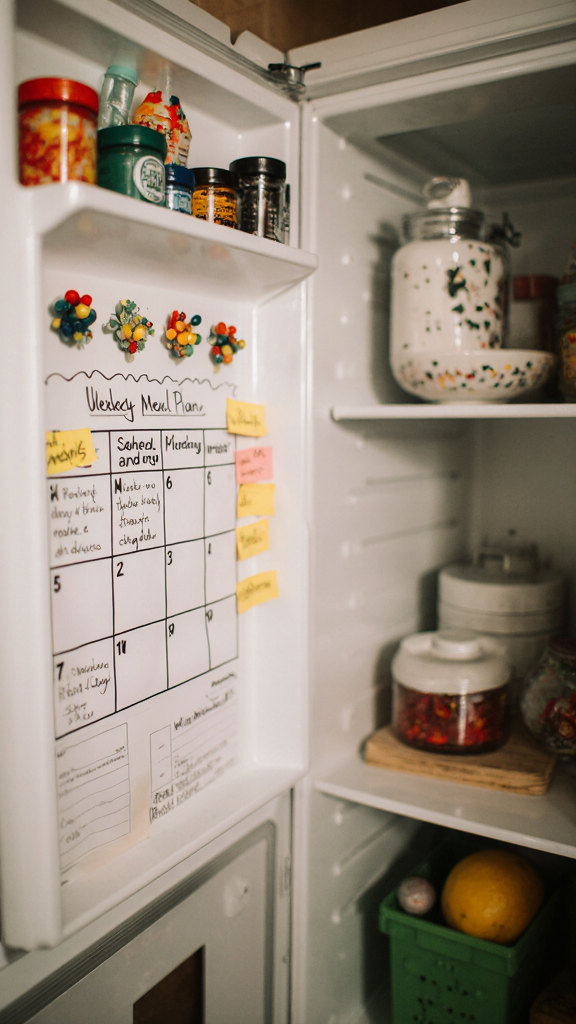
Food spending adds up quickly.
Write a simple weekly meal plan. Shop with a list. Use what you already have first.
This alone can cut a big chunk of your expenses.
Takeaway: Meal planning saves money without much effort.
Eating out is convenient, but expensive.
Simple home meals work. You don’t need variety every night.
Keep it easy and repeatable.
Takeaway: Home cooking reduces daily spending.
Subscriptions hide quietly.
Go through your bank statement and cancel what you don’t use regularly. Even small ones add up.
FYI, most people find at least two they forgot about.
Takeaway: Recurring costs are easy to overlook but powerful to cut.

If you overspend in certain areas, switch to cash.
Once it’s gone, you stop. No second guessing.
It creates a natural limit.
Takeaway: Cash keeps spending under control.
Brand names cost more for very little difference.
Try generic options for groceries and household items.
You’ll notice the savings quickly.
Takeaway: Small price differences matter over time.
See something you want?
Wait a few days before buying it. Most impulses fade.
If it still feels worth it, then decide.
Takeaway: Time helps you avoid unnecessary spending.
Convenience is expensive.
Delivery fees, ready-made meals, quick fixes. They feel small but add up fast.
Planning ahead saves money.
Takeaway: Convenience costs more than you realize.
Monthly budgets feel vague.
Break it into weekly limits. It’s easier to track and adjust.
You stay in control in real time.
Takeaway: Weekly limits make budgeting practical.
Before buying anything, check your home.
Food, clothes, random items. You probably have more than you think.
This reduces waste and spending.
Takeaway: Use first, buy later.
Pick one bill and reduce it.
Call your provider or switch plans. Even small changes add up over time.
It’s worth the effort :/
Takeaway: Fixed expenses have long-term impact.
Look around your space.
There’s something you haven’t touched in months. Sell it.
It’s quick money and less clutter.
Takeaway: Turn unused items into cash.
Don’t rely on leftovers.
Set up automatic transfers, even if it’s small.
Consistency matters more than the amount.
Takeaway: Saving becomes easier when it’s automatic.
Notice what makes you spend.
Bored scrolling, sales emails, random browsing. Limit exposure to those triggers.
It reduces temptation.
Takeaway: Control your environment to control spending.
Keep it basic.
Income, essential expenses, savings, and flexible spending. That’s enough to start.
You can refine later.
Takeaway: Simple systems are easier to stick with.

Don’t wait until the end of the month.
Check your spending weekly and adjust.
It keeps everything on track.
Takeaway: Regular check-ins prevent surprises.
At one point, money felt tight all the time.
Not terrible, just uncomfortable. Like no matter what I did, it didn’t improve.
The change came from small habits. Tracking spending, planning meals, cutting small costs. Nothing dramatic.
But over time, things felt lighter. More predictable. More in control. IMO, that feeling matters more than any number.
Takeaway: Small consistent habits create real financial change.
This leads to burnout.
They seem harmless but add up.
If it feels miserable, you won’t stick to it.
Simple systems work better.
Takeaway: Balance and simplicity keep you consistent.
You don’t need to change your entire life.
Start with a few tips. Keep it realistic. Build slowly.
Frugal living should support your life, not limit it.
Focus on progress, not perfection.
Takeaway: Consistency beats intensity every time.
Frugal living isn’t about doing less. It’s about doing things better.
You spend with intention. You save without feeling deprived. You build habits that actually last.
Start small. Stay consistent. Keep it simple.
And over time, you’ll notice something shift. Less stress, more control, and a lot more confidence in how you manage your money.