Physical Address
304 North Cardinal St.
Dorchester Center, MA 02124
Physical Address
304 North Cardinal St.
Dorchester Center, MA 02124


A simple, honest guide to budgeting for beginners who want to take control of their money without feeling restricted or overwhelmed.
The card gets declined. Not for something huge, just groceries. You stare at the screen for a second too long, hoping it magically fixes itself. It doesn’t. You mentally scroll through your bank balance, your bills, your random late-night purchases, and yeah… something is off.
That moment hits a lot of people. It’s not about being careless. It’s about not having a system. Budgeting sounds boring, restrictive, and honestly a little intimidating. But once you get into it, it feels more like control than punishment.
Let’s get into 15 simple budgeting tips for beginners that actually work, without making your life miserable.

Before the tips, let’s be real. Most budgets fail because they’re too strict or too complicated.
You try to cut everything fun, track every penny, and suddenly your life feels like a spreadsheet. That’s when you quit.
Takeaway: A budget should support your life, not suffocate it.
You can’t fix what you don’t see.
List your income and all your expenses. Not just rent and bills. Include subscriptions, snacks, random online shopping.
You might feel slightly attacked by your own habits. That’s normal 🙂
Takeaway: Awareness is the first step to control.
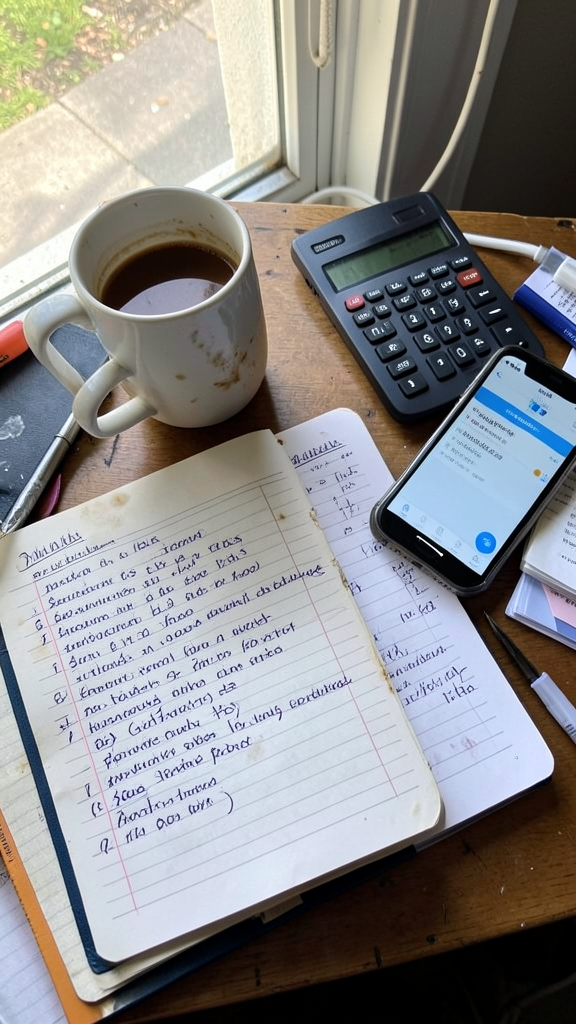
This is the easiest beginner framework.
You don’t need to follow it perfectly. Just use it as a guide.
Takeaway: Structure beats guessing every time.
Don’t commit to tracking forever. That sounds exhausting.
Track everything for one week. That alone will show patterns fast.
You’ll probably notice things like daily coffee or impulse buys adding up.
Takeaway: Short-term tracking gives long-term clarity.
Stop guessing where your money goes and get instant clarity with a simple plan that actually works
What this free tool helps you do
People try to cut ten things at once. That’s a fast way to quit.
Pick one expense that annoys you. Maybe it’s unused subscriptions or food delivery.
Cutting one thing feels doable. Cutting everything feels like punishment.
Takeaway: Small wins build momentum.
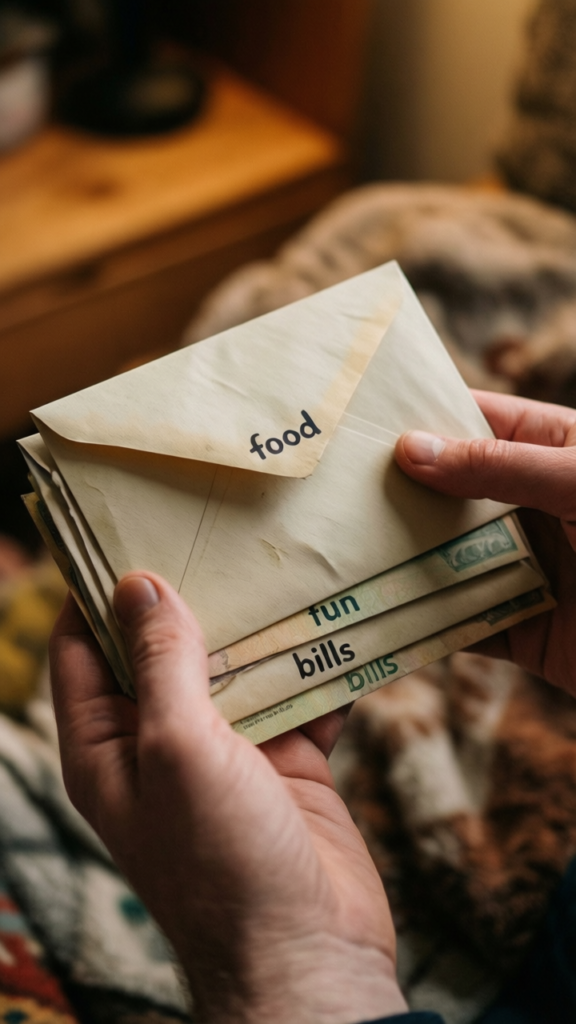
If you overspend in certain categories, switch to cash.
Dining out, shopping, entertainment. Once the cash is gone, you stop. Simple.
It’s old school, but it works.
Takeaway: Physical limits beat willpower.
Monthly budgets can feel too big.
Break it into weekly limits so it feels manageable. You can adjust faster if needed.
It also helps you avoid blowing your budget in the first week.
Takeaway: Smaller time frames make budgeting easier to stick with.
If you wait to save what’s left, you’ll save nothing.
Set up automatic transfers to savings as soon as your income hits.
Treat savings like a bill you must pay.
Takeaway: Pay yourself first, always.
You don’t need a huge fund right away.
Start with a small goal like 500 dollars or one month of expenses.
Life will throw something at you. It always does.
Takeaway: A small cushion prevents big stress.

Food spending gets out of control fast.
Planning meals reduces waste and random takeout orders.
Also, your future self will thank you when dinner is already figured out :/
Takeaway: Planning saves both money and mental energy.
Stop guessing where your money goes and get instant clarity with a simple plan that actually works
What this free tool helps you do
You get a raise and suddenly upgrade everything. Bigger rent, more shopping, more eating out.
It feels deserved. But it quietly kills your progress.
Keep your lifestyle steady and increase your savings instead.
Takeaway: More income should mean more security, not more spending.
Have different accounts for bills, spending, and savings.
This creates clear boundaries so you don’t accidentally spend rent money.
It’s simple but surprisingly effective.
Takeaway: Separation reduces temptation.
Saving just to save feels boring.
Pick a goal. Pay off debt, build savings, take a trip.
When you have a reason, budgeting feels more meaningful.
Takeaway: Purpose keeps you consistent.

Don’t set it and forget it.
Check in once a week. Adjust where needed.
Life changes. Your budget should too.
Takeaway: Flexibility makes your budget sustainable.
If your budget has zero fun, it will fail.
Set aside a small amount for guilt-free spending.
Yes, even if you’re trying to save aggressively.
Takeaway: Enjoying your money is part of managing it.
You will mess up. Overspend. Forget to track. Buy something unnecessary.
That doesn’t mean your budget is broken.
It means you’re human. IMO, consistency matters way more than perfection.
Takeaway: Progress beats perfection every time.
At first, budgeting felt restrictive. Like I was constantly saying no to things.
Then something shifted.
I stopped stressing about money. I knew what I could spend, what I needed to save, and where everything was going.
It wasn’t about being rich. It was about feeling stable.
Takeaway: Budgeting gives you peace of mind, not just savings.
Perfection leads to burnout. Keep it simple.
Those tiny purchases add up fast. Don’t ignore them.
A static budget doesn’t work for a dynamic life.
Takeaway: Avoiding these mistakes saves you time and frustration.
Budgeting isn’t about restriction. It’s about awareness and control.
You don’t need fancy tools or complicated systems. You just need a plan that fits your life and the discipline to stick with it most of the time.
Start small. Stay consistent. Adjust as you go.
And next time you swipe your card, you won’t feel that mini panic. You’ll know exactly where you stand. That feeling alone makes all of this worth it.