Physical Address
304 North Cardinal St.
Dorchester Center, MA 02124
Physical Address
304 North Cardinal St.
Dorchester Center, MA 02124


A practical, honest guide to help families living paycheck to paycheck manage money better, reduce stress, and create small but meaningful financial stability.
The paycheck hits your account and for a brief moment, things feel okay. Then the bills start lining up. Rent, groceries, school stuff, something unexpected. Within days, it feels tight again.
You’re not overspending on luxury. You’re just trying to keep everything running. And somehow, it still feels like you’re always catching up.
If that sounds familiar, these 13 budgeting tips for families living paycheck to paycheck are built for real life. Not perfect situations. Not ideal numbers. Just practical ways to create a little breathing room.
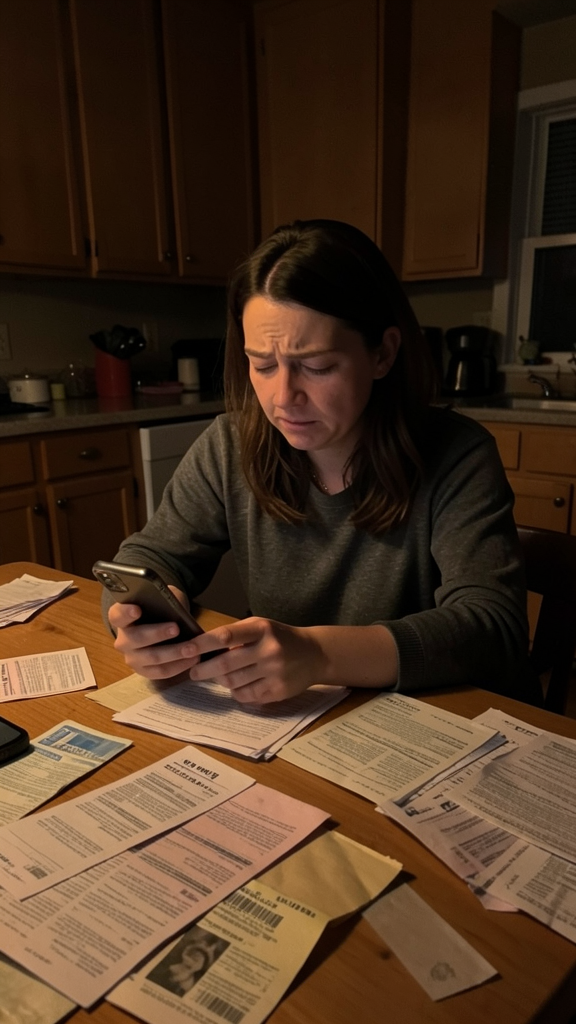
Living paycheck to paycheck isn’t just about income.
It’s about timing, unexpected expenses, and constant decision-making. Every choice feels important because it is.
You’re not failing. You’re dealing with a tight margin.
Takeaway: The goal is not perfection. The goal is stability and small progress.
Guessing creates stress.
Write down your total income and essential expenses. Rent, utilities, food, transportation. Be honest, even if the numbers feel uncomfortable.
Clarity gives you control.
Takeaway: You can’t manage what you don’t measure.
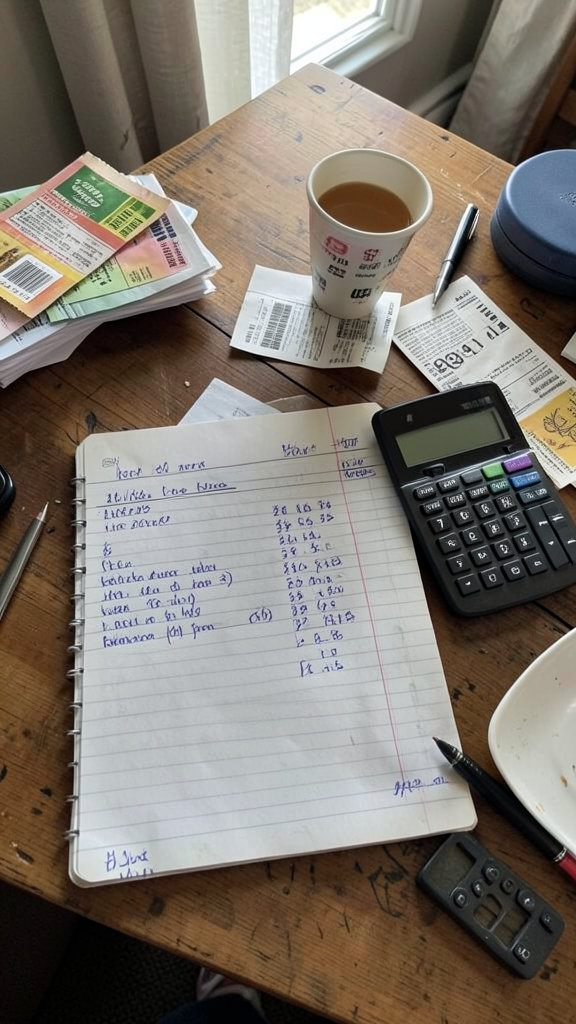
Before anything else, cover the basics.
Housing, food, utilities, transportation. Everything else comes after.
This keeps your priorities clear.
Takeaway: Protect your essentials first, always.
Monthly budgets feel too far away.
Break your money into weekly amounts. It’s easier to manage and adjust quickly.
You’ll catch problems earlier.
Takeaway: Weekly budgeting gives you better control.
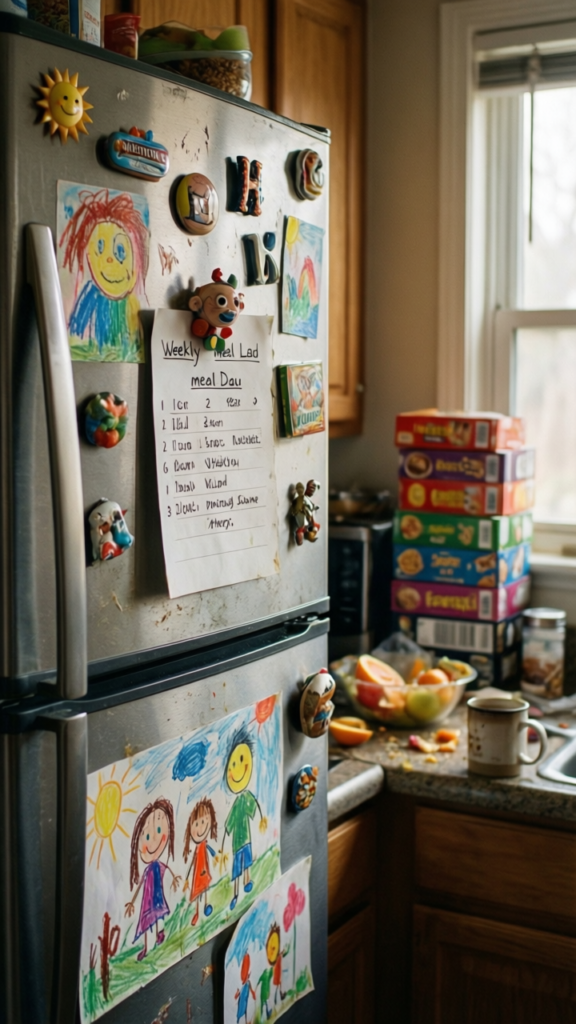
Food spending can spiral fast.
Create a simple meal plan and shop with a list. Use what you already have before buying more.
It reduces waste and saves money.
Takeaway: Meal planning is one of the most effective ways to cut costs.
Don’t try to fix everything.
Pick one expense to reduce or remove. Maybe a subscription or takeout habit.
Small changes add up.
Takeaway: One change at a time is more sustainable.

For groceries or small purchases, try cash.
When the cash is gone, spending stops. No guesswork.
It keeps you within limits.
Takeaway: Cash creates natural spending boundaries.
Even a small buffer helps.
Start with a goal that feels possible. It might not be much at first, but it matters.
It reduces stress when something unexpected happens 🙂
Takeaway: A small safety net makes a big difference.
You don’t need to track forever.
Do it for a week or two to see where your money goes. Then adjust.
It brings awareness without burnout.
Takeaway: Awareness leads to better decisions.
If it’s not urgent, wait.
Give yourself a few days before buying. Most impulse purchases lose their appeal.
This simple habit saves money quickly.
Takeaway: Time helps you avoid unnecessary spending.
Pick one recurring expense.
Call your provider or look for a cheaper plan. Even small savings matter every month.
It’s worth the effort :/
Takeaway: Fixed expenses have long-term impact.
You don’t have to carry it alone.
Talk to your family about simple money habits. Keep it age-appropriate but clear.
It builds awareness and teamwork.
Takeaway: Everyone plays a role in the budget.
Convenience feels helpful but costs more.
Delivery fees, last-minute purchases, ready-made meals. They add up fast.
Planning ahead reduces these costs.
Takeaway: Convenience often comes with a hidden price.

Don’t wait until things feel tight.
Review your budget weekly. Adjust where needed.
It keeps you in control.
Takeaway: Regular check-ins prevent surprises.
There was a time when every expense felt stressful.
Not because we were careless. Just because everything was tight. One unexpected cost could throw everything off.
The shift didn’t come from a big change. It came from small habits. Weekly budgeting, meal planning, cutting one expense at a time.
Nothing dramatic. But over time, it created space. Enough to stop feeling constantly behind.
Takeaway: Small consistent changes create real stability.
It leads to overwhelm and burnout.
They seem harmless but repeat often.
Everyone needs to understand the plan.
If it feels impossible, it won’t last.
Takeaway: Keep your approach simple and realistic.
Consistency matters more than perfection.
You will have weeks where things don’t go as planned. That’s normal. The goal is to adjust and keep going.
Focus on what you can control. Small actions, repeated often.
Takeaway: Progress comes from staying consistent, not being perfect.
Living paycheck to paycheck is exhausting. There’s no sugarcoating that.
But small changes can make it more manageable. A little more control. A little less stress.
Start with one or two tips from this list. Keep it simple. Build from there.
Over time, those small steps create something bigger. Not overnight, but steadily. And that’s how things start to change.