Physical Address
304 North Cardinal St.
Dorchester Center, MA 02124
Physical Address
304 North Cardinal St.
Dorchester Center, MA 02124

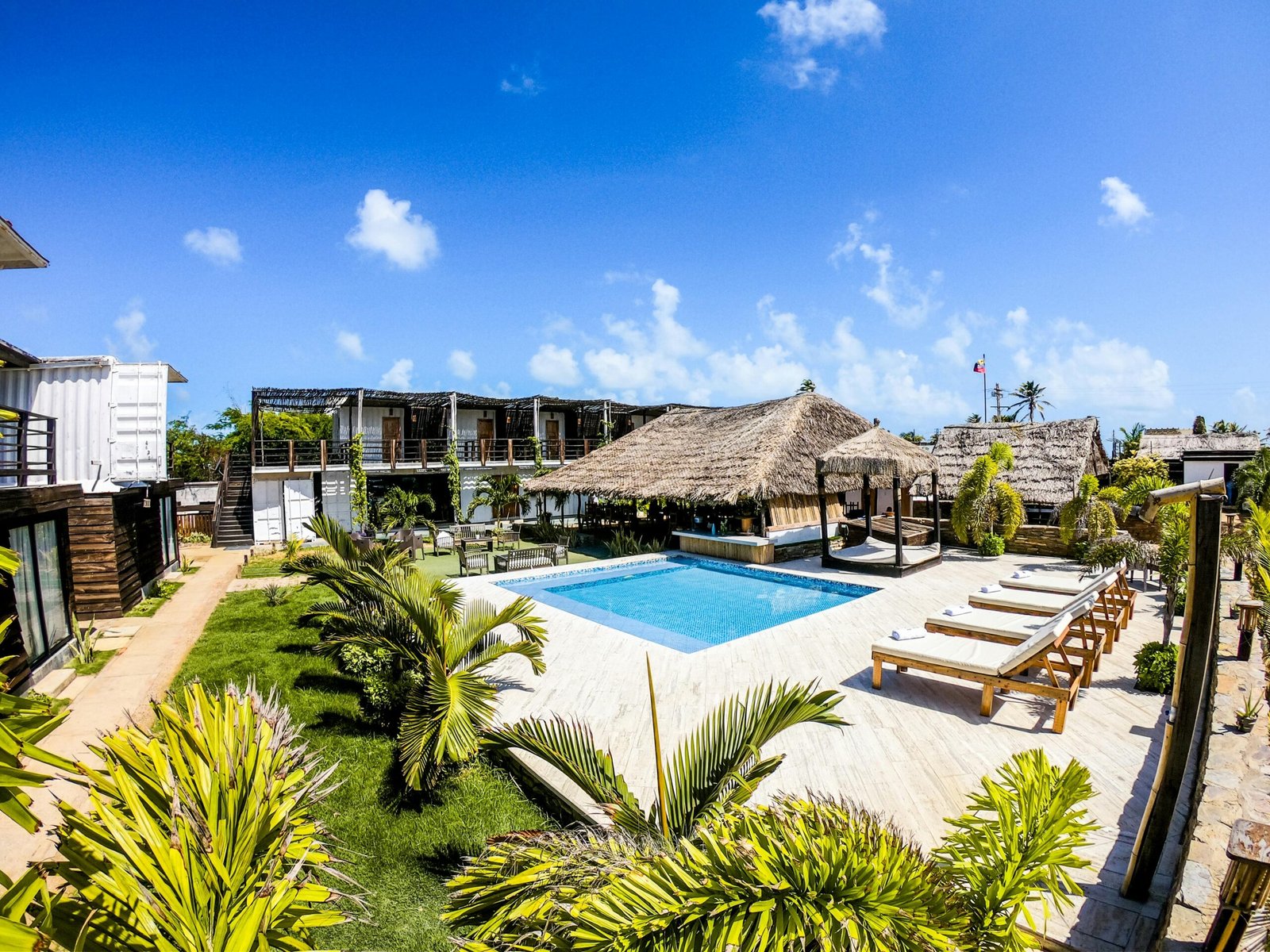
Learn how to start a summer vacation sinking fund step by step so you can save consistently, avoid debt, and actually enjoy your trip without financial stress.
The moment hit somewhere between checking my bank balance and realizing flights had doubled overnight. Summer was coming, my kid was already talking about the beach, and my account was basically whispering good luck with that.
I used to wing vacations. Big mistake. I would swipe now, panic later, and spend months cleaning up the damage. Not exactly the relaxing vibe I was going for.
That’s when I got serious about a summer vacation sinking fund. And honestly, it changed everything.
If you’re tired of scrambling every year, this guide will walk you through exactly how to start a summer vacation sinking fund step by step, without making your life feel like a budgeting bootcamp.

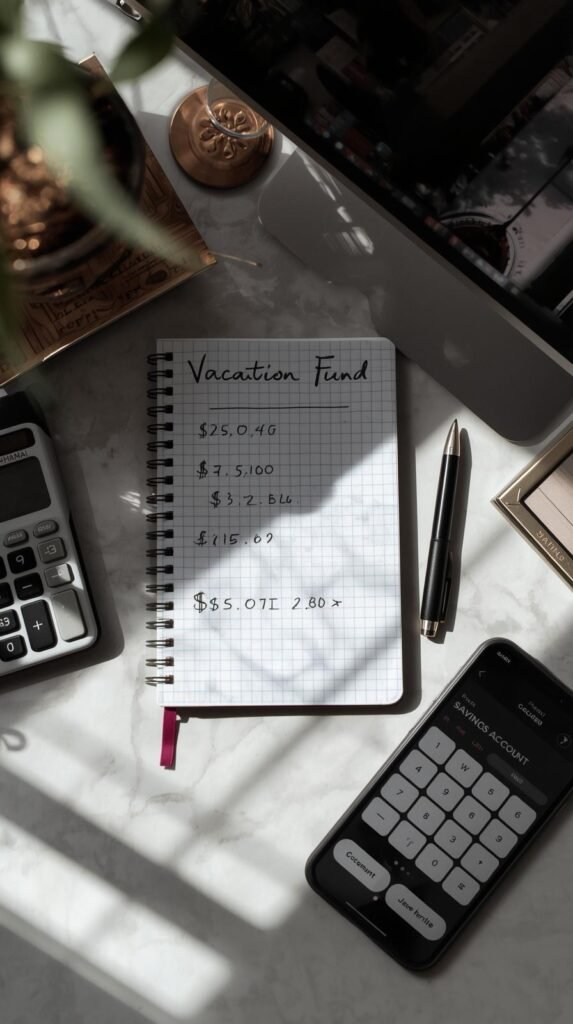
A sinking fund is just a fancy way of saying you save small amounts over time for a specific expense.
In this case, your summer vacation.
Instead of dumping everything on your credit card in June and regretting it in July, you slowly build a travel fund throughout the year.
Here’s the difference:
It’s not complicated. It just requires a little consistency.
Takeaway: A sinking fund lets you pay for vacation before it happens, not after.
I used to tell myself I could just figure it out when summer came around. You know, cut back a little, move some money, maybe get a deal.
Spoiler alert. That never worked.
Here’s what really happens without a sinking fund:
And the worst part? You don’t even fully enjoy the trip because you know future-you will pay for it.
A sinking fund flips that whole experience. You go on vacation knowing it’s already covered. That feeling alone is worth the effort 🙂
Takeaway: Planning ahead turns your vacation from stressful to actually relaxing.
Before you save a single dollar, get clear on the type of trip you’re planning.
Not Pinterest-perfect. Real-life realistic.
Ask yourself:
When my husband and I started doing this, we realized we were trying to plan luxury trips on a very average budget. Not ideal.
Be honest here. Your plan only works if it matches your reality.
Takeaway: Your vacation style determines how much you need to save.
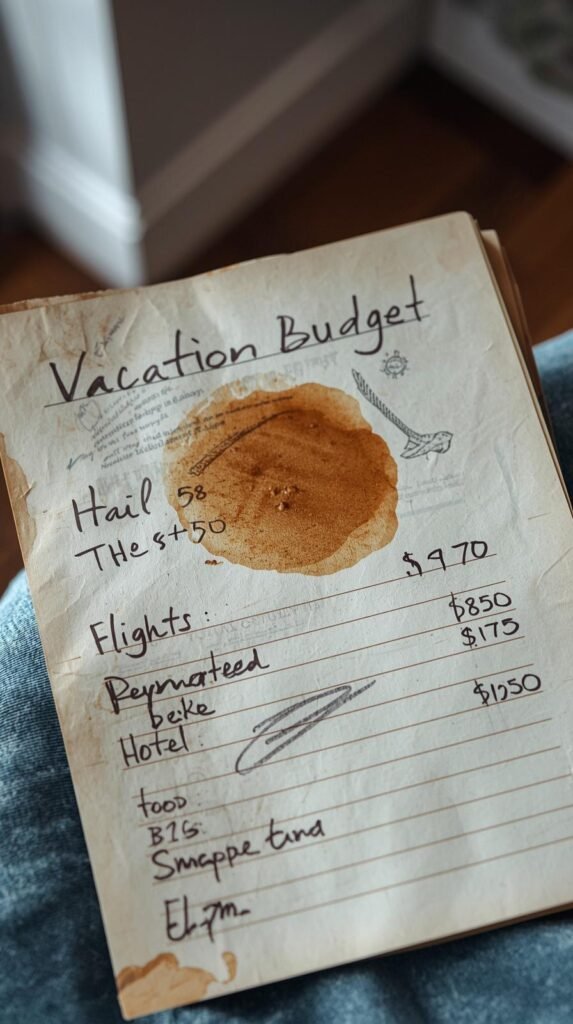
This is where most people guess. Don’t guess.
Break your trip into categories:
Then assign rough numbers to each.
Example:
Total: $3,000
It doesn’t need to be perfect. It just needs to be close enough to guide your savings.
And yes, always add a buffer. Something always costs more than expected. Always.
Takeaway: A clear total gives your sinking fund a real target.
Now figure out how long you have to save.
If your trip is in June and it’s January, you have 6 months.
Simple math time:
That number might feel fine. Or it might make you laugh nervously. Either way, now you know.
If it’s too high, you have two options:
I’ve done both. No shame in scaling back if it means staying debt-free.
Takeaway: Your monthly savings goal depends on your timeline and total cost.
Stop guessing, get a clear plan in seconds.
Please don’t keep this money in your main account. It will disappear. Trust me.
Open a separate account just for your vacation fund.
It creates:
Some people like naming their account something fun like Beach Fund or Escape Plan. It sounds silly, but it actually helps keep you motivated.
I named mine Summer Freedom one year and suddenly skipping takeout felt like a power move :/
Takeaway: Separate your sinking fund so it actually stays intact.
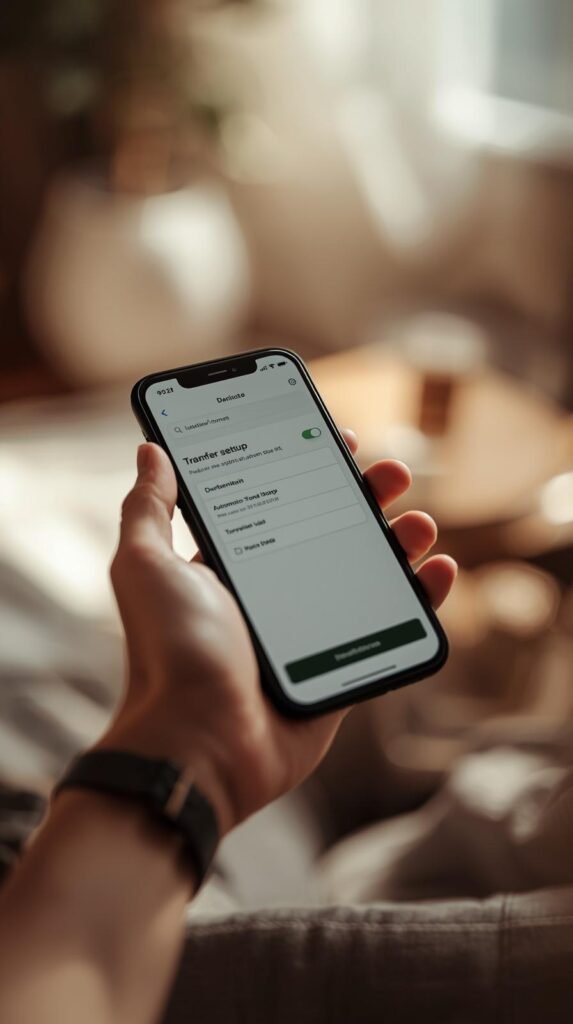
If you rely on willpower, this won’t last.
Set up automatic transfers from your main account to your sinking fund.
This removes decision fatigue. You don’t have to think about it every time.
And honestly, you won’t miss the money as much as you think you will.
Takeaway: Automation makes consistency effortless.
This part gets dramatic fast. People assume they need to give up everything fun. You don’t.
Look for small, realistic changes:
You’re not punishing yourself. You’re just redirecting money toward something better.
Whenever I felt tempted to spend, I’d ask myself one question. Do I want this random purchase or do I want to be on a beach in June?
That question works way too well, FYI.
Takeaway: Small changes add up faster than extreme restrictions.

Watching your fund grow is weirdly satisfying.
Check in regularly:
You can use:
And yes, celebrate milestones.
Hit 25 percent? Nice.
Halfway there? Even better.
Progress keeps you motivated, especially when it feels slow.
Takeaway: Tracking progress keeps you consistent and motivated.
This sounds obvious. It’s not.
Life will try to hijack your sinking fund. Car repairs, random expenses, unexpected stuff.
Protect it.
If you dip into it for something else, you’ll end up right back where you started.
Treat this money like it already belongs to your vacation.
Because it does.
Takeaway: Stay disciplined so your effort actually pays off.
Let’s keep this real. I’ve made all of these.
Everything is more expensive than you think. Add a buffer. Always.
The earlier you start, the easier it feels. Waiting just makes it stressful.
If your monthly target feels impossible, you’ll quit. Adjust it instead.
If you’re married or sharing finances, this has to be a team effort. Otherwise, you’ll feel like the only responsible adult in the room.
Ask me how I know.
Takeaway: Avoid these mistakes to keep your plan realistic and sustainable.
Before I started using a sinking fund, vacations felt chaotic. Fun, yes. But followed by financial regret.
Now?
I book trips without anxiety. I enjoy them fully. And when I come home, my bank account isn’t gasping for air.
That shift is huge.
It’s not about being perfect with money. It’s about being intentional.
And once you experience a debt-free vacation, it’s really hard to go back.
Starting a summer vacation sinking fund isn’t complicated. It just requires a plan and a bit of consistency.
Here’s the simple version:
That’s it.
No stress. No scrambling. No post-vacation regret.
Next summer is coming whether you prepare for it or not. The only question is how you want to feel when it gets here.
Personally, I prefer sipping something cold by the water instead of calculating credit card interest.