Physical Address
304 North Cardinal St.
Dorchester Center, MA 02124
Physical Address
304 North Cardinal St.
Dorchester Center, MA 02124


These realistic and creative debt payoff strategies can help you reduce credit card stress, build better money habits, and finally make steady progress without extreme budgeting.
The minimum payment cleared my account at 7 AM while I stood in the kitchen reheating coffee for the second time. Then I checked the balance and realized the number barely moved. Amazing. Love that for me.
Credit card debt feels strange because life still looks normal on the outside. You buy groceries, pay for gas, grab school supplies, maybe order takeout after a brutal day. Then suddenly the balance grows into this heavy background stress following you everywhere.
Most people think the best way to pay off credit cards requires extreme sacrifice or perfect financial discipline. Honestly, it usually comes down to smart systems, consistent habits, and finding creative ways to make progress without losing your mind.
If you feel stuck in the cycle of minimum payments and financial guilt, these 12 creative ideas for the best way to pay off credit cards can help you finally move forward.

This sounds ridiculous at first. Stay with me.
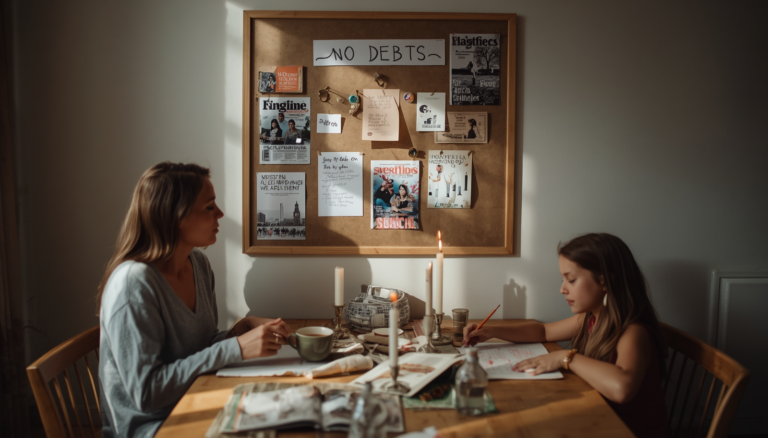
One of our credit cards became the vacation disaster card because half the balance came from one chaotic family trip involving overpriced snacks, emergency hotel changes, and too much emotional spending.
Naming the debt made it feel more real and easier to attack directly.
People handle goals better when they feel personal.
A little humor makes stressful money situations feel less heavy 🙂
Takeaway: Specific goals feel easier to tackle than vague financial stress.
The snowball method works because humans enjoy visible progress. We like momentum. We like crossing things off lists.
Instead of attacking the highest interest rate first, pay off the smallest balance first while making minimum payments on everything else.
That first payoff creates motivation fast.
The emotional win matters more than people admit.
Once one card disappeared, I stopped feeling completely trapped. That mental shift changed my spending habits too.
Takeaway: Small victories build momentum for bigger financial goals.

A full month sounded impossible for me personally. I enjoy convenience too much.
But one week? Much more realistic.
For seven days, we only bought essentials. No random coffee runs. No online browsing. No little emotional purchases pretending to be self-care.
Honestly, the biggest shock was realizing how often boredom triggered spending.
The extra money went straight toward debt.
FYI, temporary challenges work better than permanent restrictions for many people.
Takeaway: Short spending resets can free up money quickly without feeling miserable.

One weekend I cleaned a hallway closet and found:
That pile turned into several hundred dollars surprisingly fast.
Most homes contain money hiding in plain sight.
The bonus? Less clutter also reduced stress inside the house.
If I forgot I owned it, I probably do not need it.
Takeaway: Selling unused items helps clear both debt and mental clutter.
This part requires discipline unfortunately. Very rude of life.
Whenever extra money came in, I used to absorb it into regular spending without noticing. Tax refunds disappeared. Freelance bonuses vanished. Birthday money floated away mysteriously.
Now extra income goes directly toward credit cards first.
Even small amounts speed up progress more than you think.
Make payments immediately before the money blends into everyday expenses.
Takeaway: Extra income works best when assigned a purpose immediately.
A lot of people never even ask for lower rates. I avoided it for years because I assumed the answer would be no.
Turns out companies say yes surprisingly often if your payment history looks decent.
One phone call lowered our interest rate enough to save real money monthly.
The conversation feels awkward for about five minutes. Worth it.
IMO, adults should receive medals for making stressful financial phone calls.
Takeaway: Lower interest rates can speed up debt payoff significantly.
Big financial rules usually failed me because they felt restrictive immediately.
Tiny rules worked better.
Simple boundaries reduce impulsive decisions quietly.
Remove saved payment methods from shopping websites. Laziness suddenly becomes financially useful.
Takeaway: Small spending limits feel easier to maintain long term.

Spreadsheets never motivated me emotionally. Numbers blurred together after a while.
So I made a simple printable debt tracker and colored sections every time we made progress. Weirdly satisfying.
Visual progress creates momentum because you can physically see improvement happening.
Yes, it feels slightly childish. Yes, it still works.
Takeaway: Visible progress keeps motivation alive during long payoff periods.
Everybody has expensive days.
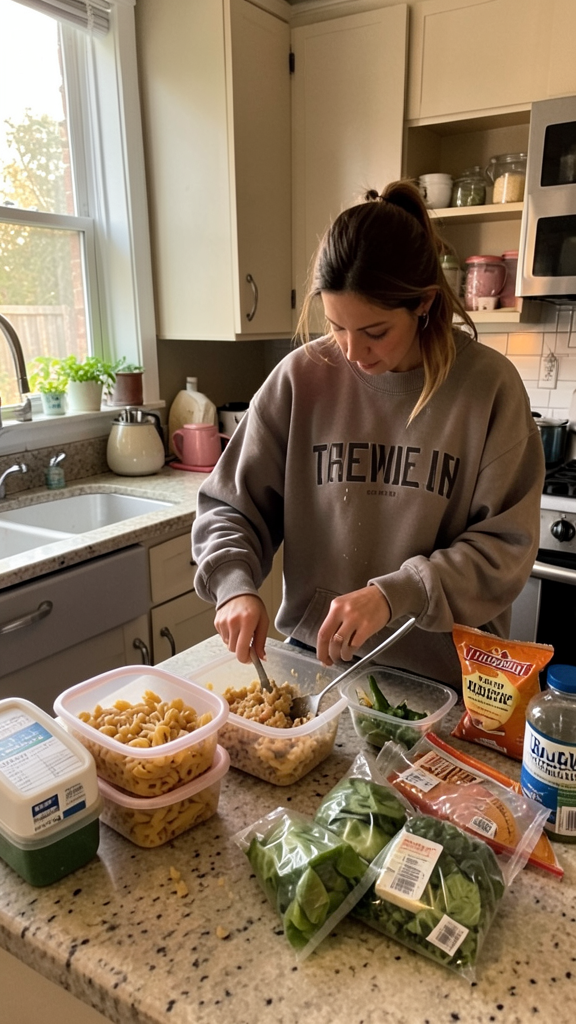
Mine usually happened after exhausting workdays when nobody wanted to cook and my patience disappeared around 5 PM.
Instead of trying to become magically disciplined, I prepared for those moments.
A frozen pizza costs much less than panic-ordering delivery for the whole family.
Preparation protects your budget during low-energy moments.
Takeaway: Planning ahead reduces emotional spending during stressful days.
This one took brutal honesty.
I noticed I spent more money after stressful workdays, parenting struggles, or emotionally draining weeks. Suddenly skincare products and home decor started looking very necessary.
They were not.
Now I pause before buying anything emotional.
Not every bad day requires a purchase.
Takeaway: Emotional awareness helps prevent unnecessary debt growth.
This part matters more than people realize.
Debt payoff feels slow sometimes. If you never acknowledge progress, motivation disappears quickly.
But celebrating does not need to cost money.
Small celebrations keep the process sustainable.
Financial progress deserves recognition even before the finish line.
Takeaway: Encouragement helps maintain long-term financial habits.
Some months you will pay extra toward debt confidently. Other months life punches your budget directly in the face.
That does not erase your progress.
Families get sick. Cars break. Work slows down. Real life stays unpredictable.
Perfection is not the goal. Stability is.
And honestly, stable financial habits beat dramatic short-term sacrifices every time.
Takeaway: Consistent effort matters more than perfect budgeting.
The best way to pay off credit cards is rarely flashy. It usually looks like tiny habits repeated consistently over time.
One extra payment. One canceled subscription. One no-spend weekend. One honest conversation about spending habits. Those small choices slowly reduce the weight debt places on everyday life.
You do not need to become a perfect budgeting expert overnight. You just need systems that help you make slightly better decisions more often.
And eventually, those better decisions start buying something much more valuable than stuff.
Peace.