Physical Address
304 North Cardinal St.
Dorchester Center, MA 02124
Physical Address
304 North Cardinal St.
Dorchester Center, MA 02124


A simple, realistic guide to help you rebalance your portfolio mid-year, reduce risk, and stay on track without overthinking every move.
You open your investment app after ignoring it for months. At first, it looks fine. Maybe even good. But then you notice one fund is way bigger than everything else, and another barely moved.
Now you’re stuck wondering… was this part of the plan, or did things quietly drift while you weren’t paying attention?
That moment hits more people than you think. You start the year strong, set your allocations, feel like a responsible adult. Then life happens. Markets shift. You stop checking. And now you’re halfway through the year wondering if your portfolio is still working for you or just doing its own thing.
So let’s talk about how to rebalance your portfolio mid-year for maximum growth without overcomplicating it or turning it into a full-time job.


Rebalancing sounds boring. It kind of is. But ignoring it is how portfolios quietly drift into chaos.
When one asset class outperforms, it takes up more space in your portfolio. That means you’re suddenly taking more risk than you planned. And when something underperforms, you might be under-invested where future growth could happen.
Here’s what typically shifts mid-year:
And let’s be honest. Life changes faster than spreadsheets.
Takeaway: Rebalancing is not about perfection. It’s about staying aligned with your original strategy.

You don’t need to obsess over your portfolio weekly. Please don’t. But you do need a quick check-in mid-year.
Here are some clear signs:
If your target was 70 percent stocks and now it’s 82 percent, that’s not a small drift. That’s your portfolio slowly turning into a risk junkie.
We all love a winning stock or fund. But when it becomes too big, it stops being a win and starts being a risk.
New baby. New job. Less income. More expenses. Suddenly your risk tolerance is not what it was in January.
This one matters more than people admit. If your gut says something feels off, it probably is.
Takeaway: If your portfolio no longer reflects your goals or risk comfort, it’s time to rebalance.
Before we get into how to rebalance your portfolio, if you’re new or want a step-by-step guide, you can check out my stock market basics for families. 😀
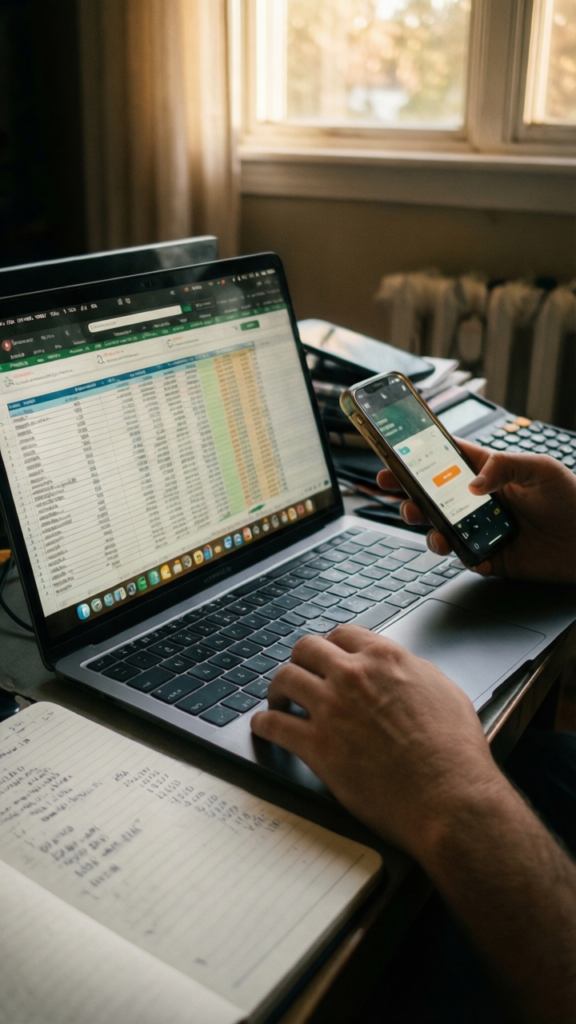
Let’s keep this practical. No complicated formulas. Just real steps you can follow tonight after dinner.
Open your portfolio and look at the percentages, not just the dollar amounts.
Ask yourself:
You might be surprised how far things drift in just six months.
What was your target allocation?
If you never set one, now is a good time:
Pick something realistic for your life. Not something that sounds impressive on Reddit 🙂
There are two simple ways to do this:
1. Sell and Buy
2. Redirect New Contributions
If taxes stress you out, the second option is your best friend.
Don’t rebalance every tiny movement. That’s exhausting.
Instead, use a rule like:
This keeps you disciplined without overreacting.
This is where people freeze.
You already did the analysis. Now just make the moves. No second guessing every click.
Takeaway: A simple, consistent system beats a perfect but unused plan.
I’ve made most of these. You probably will too. But let’s at least reduce the damage.
Waiting for the perfect moment to rebalance is like waiting for your toddler to sit still for a photo. It’s not happening.
Rebalance based on strategy, not feelings.
Selling assets in a taxable account can trigger capital gains.
Before selling, check:
You don’t need to tweak your portfolio every time the market sneezes.
More action does not equal better results. It just increases stress.
Switching your allocation because something is hot right now rarely ends well.
Yes, tech might be booming. No, that doesn’t mean your entire portfolio should follow.
Takeaway: The goal is balance, not excitement.
Mid last year, my portfolio looked great on the surface. Growth funds were crushing it. I felt smart for about five minutes.
Then I checked the allocation.
I was sitting at nearly 90 percent stocks. That was not the plan. That was me accidentally turning into a high-risk investor while packing school lunches.
So I rebalanced:
Did it feel exciting? Not at all. It felt like cleaning the kitchen after cooking.
But a few months later when the market dipped, I was grateful. My portfolio didn’t swing as wildly, and I slept better.
Takeaway: Rebalancing protects your future self, even if it feels boring today.
There is no perfect answer. But here are practical options:
For example:
This keeps things simple and sustainable.
And let’s be honest, you have better things to do than constantly adjusting your portfolio.
You don’t need fancy software, but a few tools help:
Automation can be helpful if you tend to procrastinate. Which… most of us do.
Rebalancing feels weird because you’re doing the opposite of instinct.
You sell what is doing well. You buy what feels slow or disappointing.
It almost feels wrong.
But that’s exactly why it works.
You’re forcing discipline into a system that naturally drifts toward imbalance.
And as a mom, freelancer, and business owner, I can tell you this matters. I don’t have time to babysit my portfolio every day. I need systems that work quietly in the background.
Takeaway: Rebalancing is less about math and more about behavior.

Learning how to rebalance your portfolio mid-year for maximum growth is not about chasing higher returns every single month.
It’s about staying consistent, managing risk, and giving your investments the structure they need to grow over time.
You don’t need to be perfect. You just need to check in, make a few smart adjustments, and move on with your life.
Next time you open your portfolio and something feels off, don’t ignore it. That small moment of doubt is actually useful.
Fix the balance. Close the app. Go back to your real life.
Because honestly, the goal isn’t to obsess over your money. It’s to build a system that lets you forget about it most of the time.