Physical Address
304 North Cardinal St.
Dorchester Center, MA 02124
Physical Address
304 North Cardinal St.
Dorchester Center, MA 02124

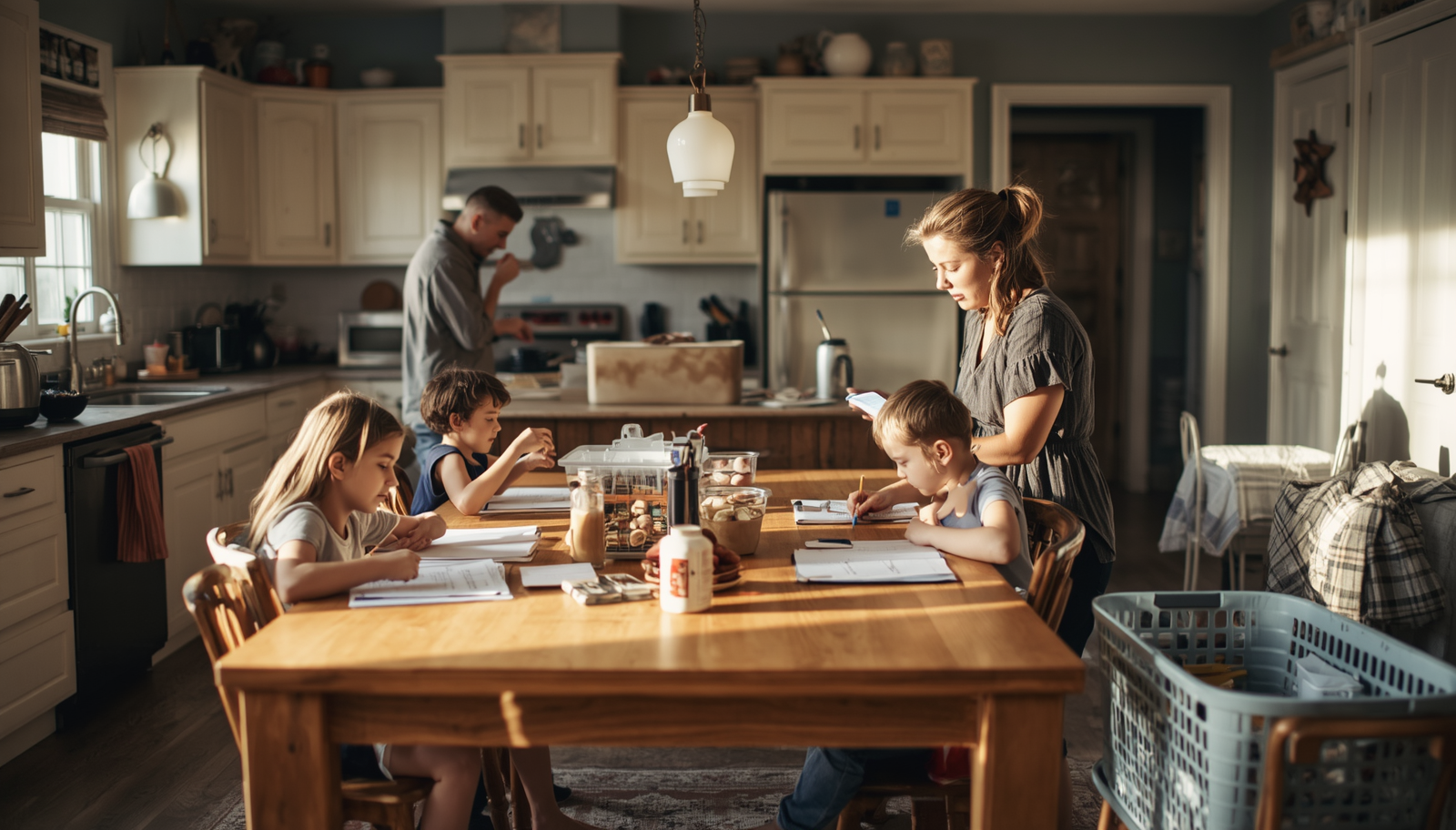
These realistic large family management tips can help busy households reduce stress, stay organized, and create calmer routines without chasing impossible perfection.
Someone needed help finding shoes. Someone else spilled cereal across the kitchen floor. The laundry basket looked emotionally aggressive. Meanwhile, dinner still needed to happen and the calendar already warned me about three appointments tomorrow.
Large family management sounds wholesome until you actually live inside the chaos for a while.
People often assume big families naturally become organized through experience. Honestly, sometimes you just become better at functioning while slightly overwhelmed. There is a difference 🙂
After years of balancing work, parenting, household responsibilities, and trying to keep life from turning into complete disorder, I learned something important. Successful large family management is less about perfection and more about systems that reduce stress for everyone involved.
If your home feels loud, busy, and permanently covered in laundry, these 11 must-know secrets for large family management can help life run more smoothly without turning your house into a military camp.
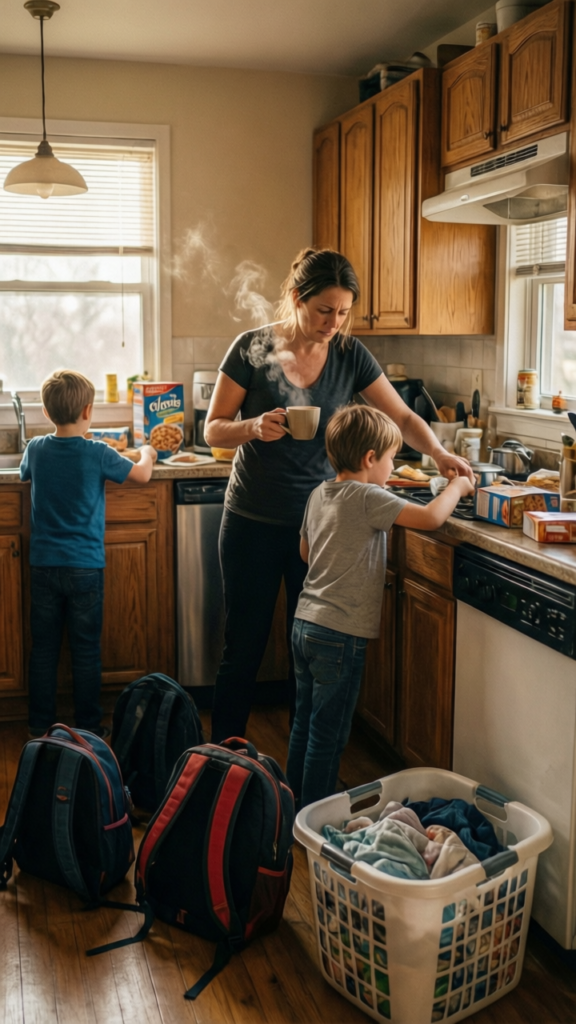
This changed everything for me mentally.
The more people living inside a home, the faster normal messes appear. Toys spread everywhere. Dishes multiply mysteriously. Laundry reproduces overnight like tiny fabric goblins.
A perfectly spotless home with a large family usually means somebody feels exhausted all the time.
Your home should support your family, not impress imaginary guests.
Takeaway: Functional homes matter more than perfect homes in large family management.
Children thrive on predictability even when they pretend otherwise.
Once we created simple routines for mornings, homework, meals, and bedtime, household stress dropped immediately. Fewer arguments happened because everybody already knew the expectations.
The goal is reducing decision fatigue for both parents and kids.
FYI, routines save mental energy more than people realize.
Takeaway: Consistent routines create calmer family environments.
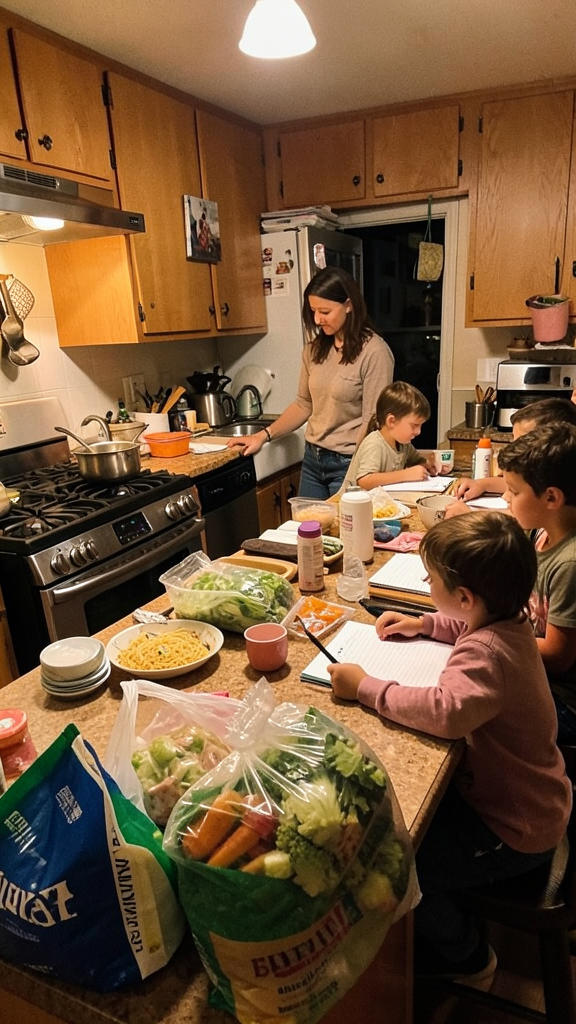
Pinterest meal plans nearly destroyed my sanity for a while.
I kept planning complicated healthy dinners every night as if nobody in the house had jobs, homework, activities, or emotional breakdowns after 5 PM.
Now I keep meals simple and repetitive intentionally.
Large families need sustainable systems, not fancy dinner performances.
Takeaway: Simple meal planning reduces stress and saves money.
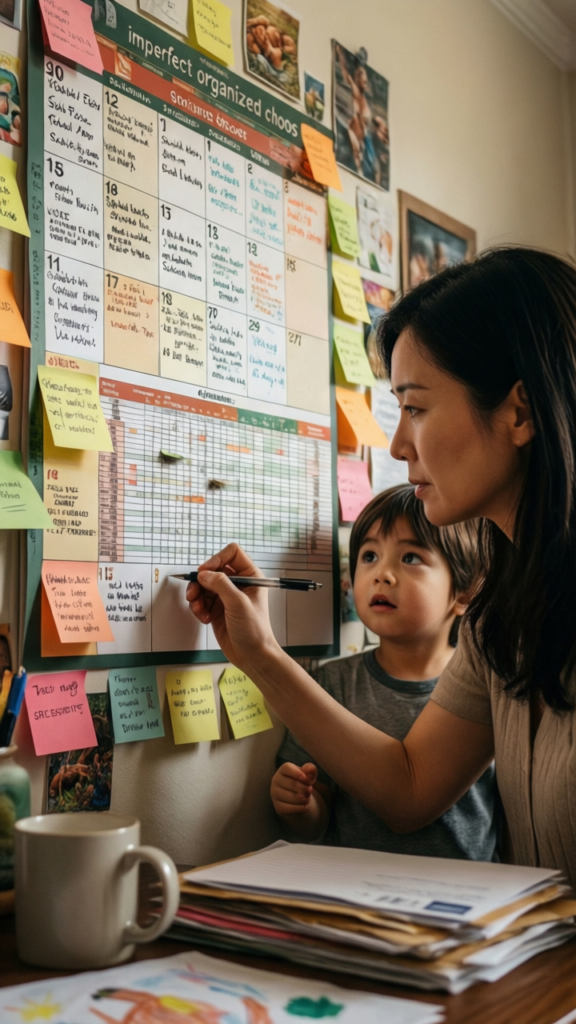
Trying to remember every appointment mentally feels impossible with multiple people.
One missed school event taught me that lesson immediately. My daughter looked at me with pure disappointment while I silently questioned my life choices.
Now everything goes into one shared family calendar.
Visible schedules reduce confusion dramatically.
Takeaway: Shared calendars prevent unnecessary chaos and forgotten commitments.
Large family management becomes much harder when one adult handles everything alone.
Children do not need to become tiny unpaid employees, but they absolutely can contribute to household life.
Teaching responsibility early benefits everyone long term.
Kids usually handle more responsibility than parents expect once routines become normal.
Takeaway: Shared household responsibilities create stronger family teamwork.
This one took me years to understand.
At one point, every week felt like nonstop driving between activities, school events, errands, appointments, and obligations. The house stayed chaotic because nobody actually rested.
Busy does not always mean healthy.
Protecting family peace matters too.
IMO, overscheduled families often feel more stressed than connected.
Takeaway: Simpler schedules create calmer family dynamics.
Large families run into unexpected problems constantly.
Sick kids. Missing homework. Forgotten lunches. Surprise schedule changes. Somebody always needs something urgently at the least convenient moment.
Backup systems save sanity.
Preparation reduces panic dramatically.
Keep one hidden emergency stash of easy snacks nobody knows about except you. Survival strategy honestly.
Takeaway: Backup systems reduce daily family stress significantly.
Large families can become loud constantly. Even loving noise becomes overwhelming eventually.
One thing that helped our home feel calmer was intentionally creating quieter spaces and moments during the day.
Everybody needs occasional mental breathing room.
The entire household argued less once constant stimulation decreased.
Takeaway: Quiet spaces help large families feel emotionally balanced.
Bulk shopping can save money or create complete pantry chaos depending on your self-control.
I once bought enough snack packs for what looked like a small soccer league. Half disappeared within days because apparently unlimited snacks trigger something primal in children.
Now I bulk buy strategically.
Avoid bulk junk food if possible unless you enjoy watching groceries vanish instantly 🙂
Takeaway: Intentional bulk shopping lowers costs without increasing waste.
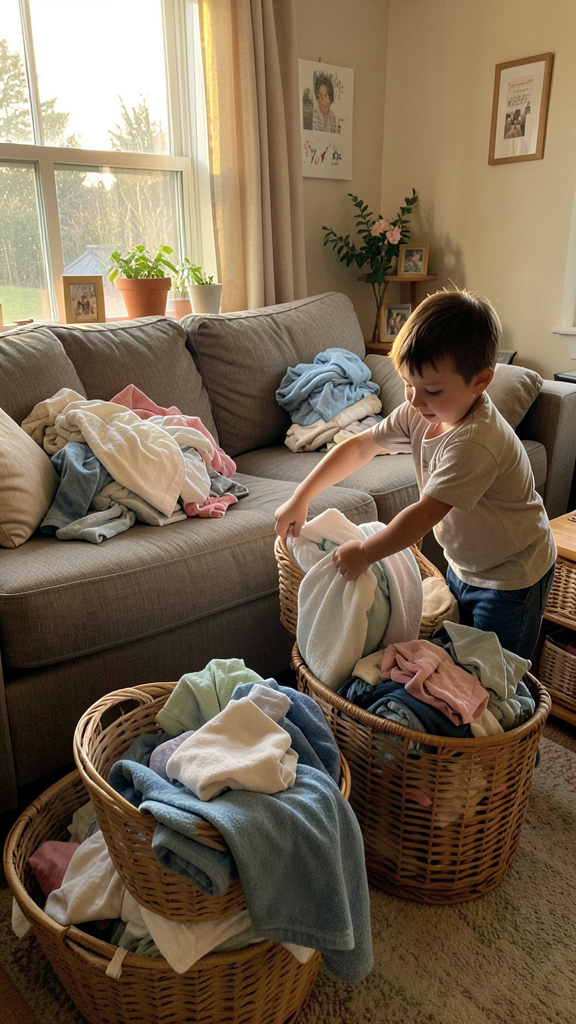
This sounds terrible until you become responsible for a large household.
Some nights dinner will be frozen pizza. Laundry may sit unfolded longer than intended. Matching socks become optional occasionally.
That is normal.
Perfection drains energy quickly in busy homes.
A peaceful emotionally safe home beats a visually perfect one every time.
Takeaway: Lowering unrealistic standards protects family energy and mental health.

Parents in large families often spend years caring for everybody else while quietly running themselves into exhaustion.
I noticed I became more impatient, forgetful, and emotionally overwhelmed whenever I ignored my own basic needs for too long.
You cannot manage a large family well while completely depleted.
Taking care of yourself supports the entire household.
FYI, burned-out parents usually cannot create calm homes consistently.
Takeaway: Your energy affects the emotional tone of the entire family.
Some household habits create unnecessary stress fast.
Most large family chaos comes from overload, not failure.
That distinction matters emotionally.
You do not need expensive organizational products to manage a busy household well.
The best systems are the ones everybody actually uses consistently.
Complicated systems usually collapse within two weeks in real homes.
The truth about large family management is that no household runs perfectly all the time. Somebody will forget homework. Somebody will melt down during errands. Laundry will continue multiplying without permission.
But small systems make daily life feel lighter.
One simple routine. One calmer schedule. One shared calendar. One easier dinner plan. Those tiny habits quietly reduce stress across an entire household over time.
And honestly, large family life does not need to look perfect to feel deeply meaningful.