Physical Address
304 North Cardinal St.
Dorchester Center, MA 02124
Physical Address
304 North Cardinal St.
Dorchester Center, MA 02124

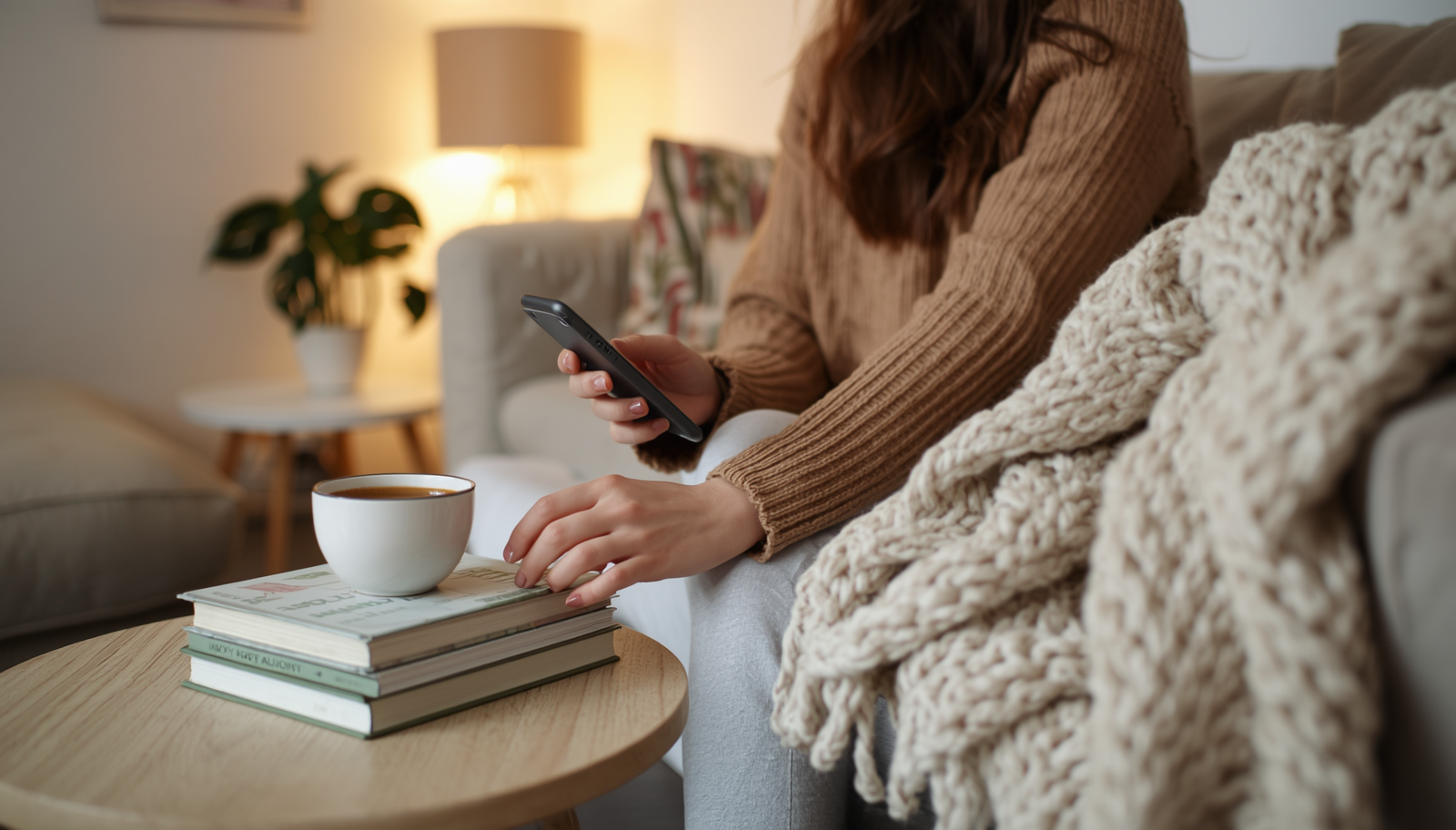
These realistic low buy aesthetic ideas can help you spend less, appreciate what you already own, and create a calmer home and lifestyle without chasing constant consumption.
The package arrived, and honestly I barely felt excited anymore. I opened it, looked at it for maybe thirty seconds, then placed it next to three other things I supposedly needed last week. Meanwhile my closet stayed crowded, my spending stayed chaotic, and somehow social media still convinced me I lacked the perfect lifestyle.
That cycle gets exhausting fast.
A low buy aesthetic is not about becoming aggressively minimalist or pretending you suddenly hate shopping forever. It is about creating a calmer, more intentional life where your space, money, and habits actually feel good instead of constantly overstimulated.
Once I stopped chasing constant upgrades, my home felt lighter, my finances improved, and weirdly enough, my personal style became stronger too.
These 12 creative ideas for your low buy aesthetic can help you spend less, enjoy what you already own, and create a lifestyle that feels peaceful instead of cluttered.
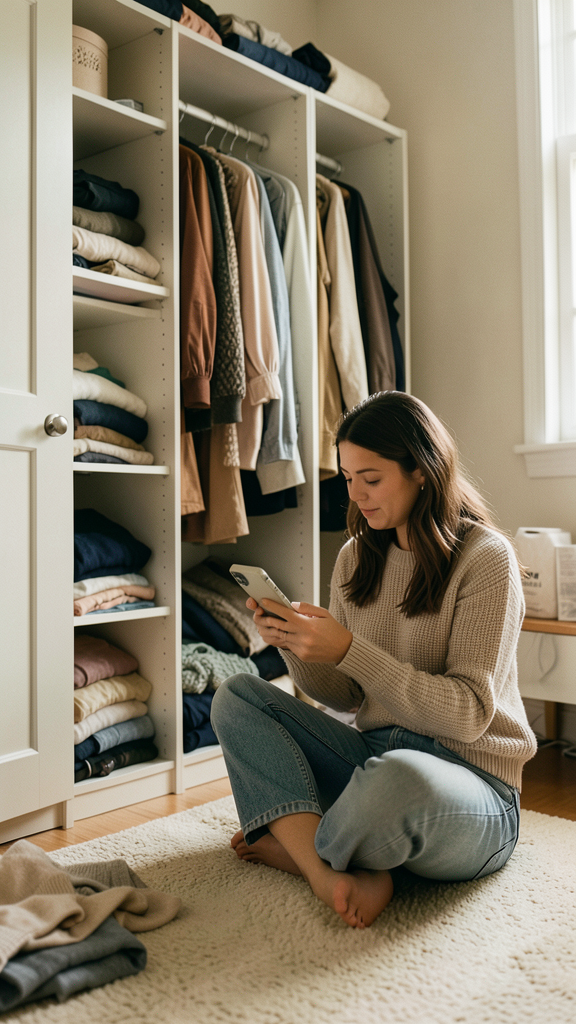
This helped me stop impulse shopping almost immediately.
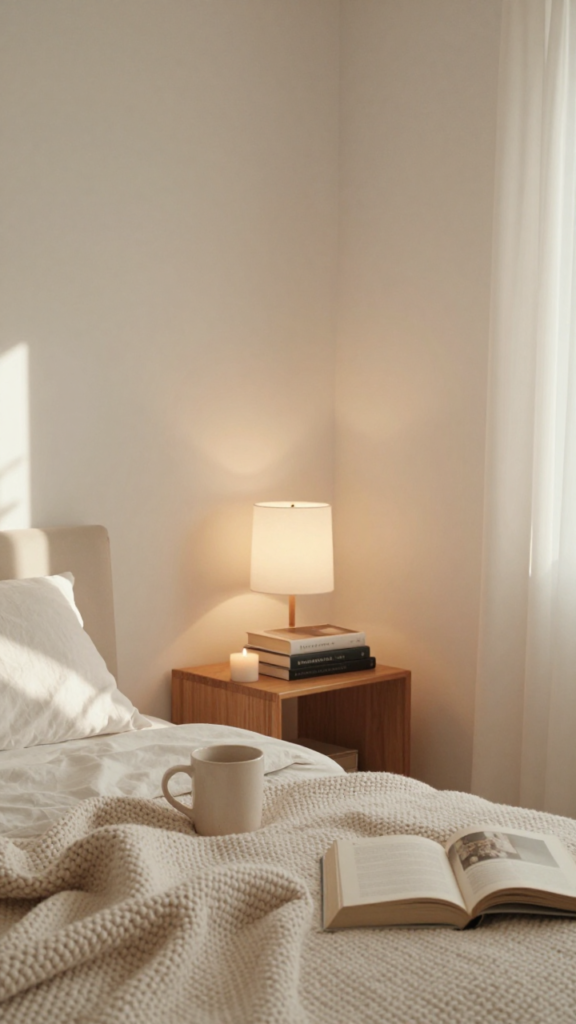
When everything in your wardrobe and home follows a general color palette, random purchases become easier to reject because they simply do not fit.
Consistency creates calm visually and financially.
Once I picked a palette, shopping felt less emotionally chaotic.
Takeaway: A simple color palette reduces unnecessary purchases naturally.
This sounds slightly ridiculous until it works 🙂
The low buy aesthetic becomes easier when you stop treating your current belongings like temporary placeholders for better future versions.
Sometimes boredom comes from lack of creativity, not lack of stuff.
I rediscovered several home items simply by moving them into different spaces.
Takeaway: Reusing and restyling current belongings supports a low buy lifestyle beautifully.
Decision fatigue quietly encourages shopping.
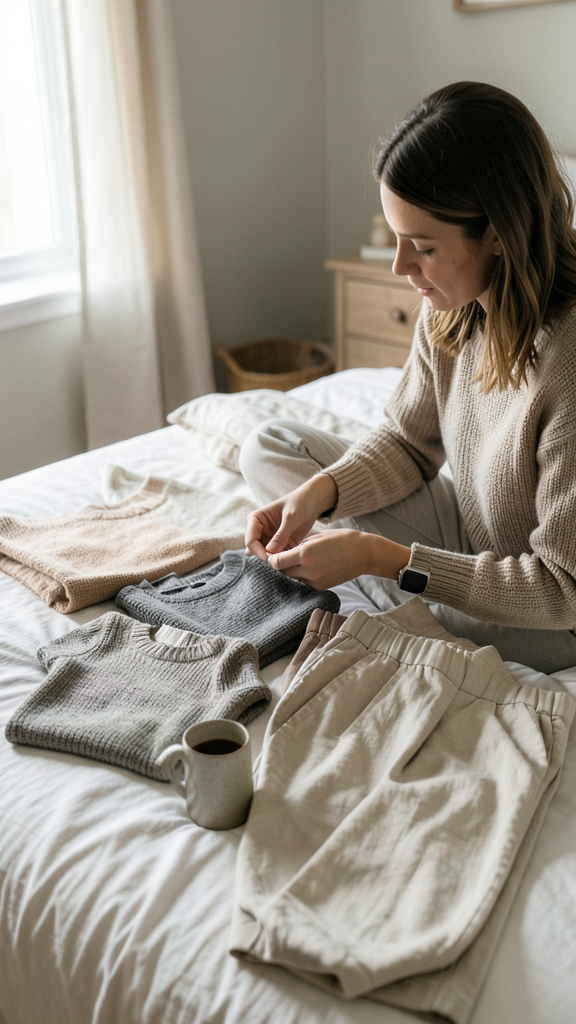
A personal uniform simplifies daily life and reduces the constant desire for new clothes.
Repeating outfits saves money and mental energy.
Nobody notices repeated outfits nearly as much as we imagine.
Takeaway: A personal uniform helps reduce emotional clothing purchases.
This one matters more than people realize.
Constant exposure to shopping content creates endless dissatisfaction.
Your environment shapes spending habits heavily.
Social media algorithms absolutely want you emotionally attached to buying things constantly.
Suspicious little systems honestly.
Takeaway: Slower social media habits support a healthier low buy aesthetic.
Impulse purchases lose power with time.
I started using a simple waiting rule before buying non-essential items, and honestly most cravings disappeared surprisingly fast.
Time creates clarity.
Many things only felt urgent because emotions were temporarily loud.
Takeaway: Delaying purchases helps prevent unnecessary spending.
A low buy aesthetic often feels elevated because fewer items receive more attention.
Instead of constantly adding new things, focus on textures that make spaces feel warm and layered.
Texture creates atmosphere without clutter.
One soft lamp and a cozy blanket changed my living room more than multiple random decor purchases ever did.
Takeaway: Thoughtful textures create a cozy low buy aesthetic without excess spending.
This habit quietly saves huge amounts of money.
A loose button, scratched table, or broken zipper does not automatically require replacing the entire item.
Repairing things creates appreciation too.
People used to repair things constantly before overconsumption became normalized.
Now we act like slightly damaged candles need emotional retirement ceremonies :/
Takeaway: Repairing existing items supports a realistic low buy lifestyle.
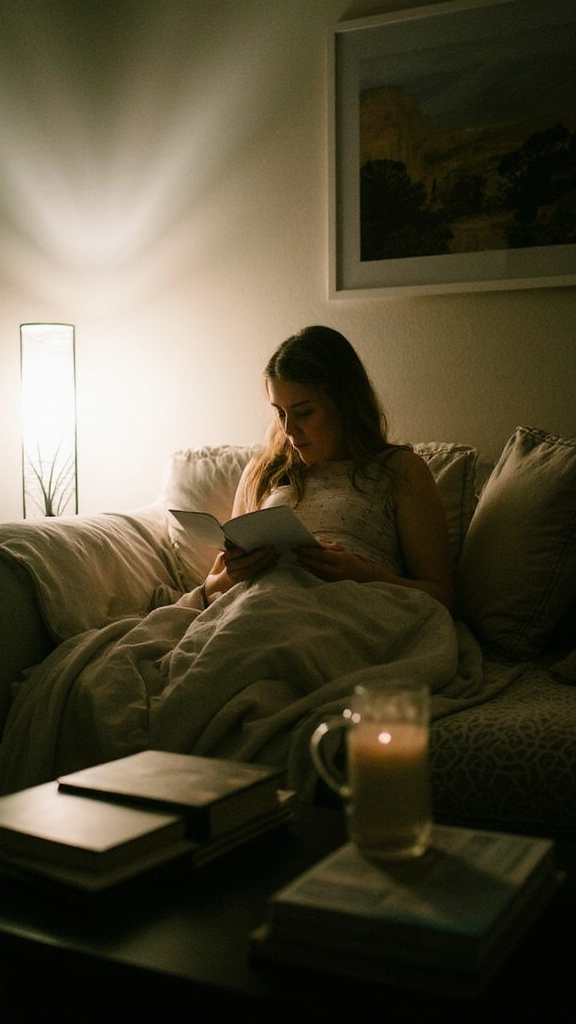
The more peaceful your home feels, the less tempting constant shopping trips become.
A cozy environment reduces boredom spending naturally.
Comfort matters emotionally.
Creating enjoyable home routines reduced my desire to wander stores for entertainment.
Takeaway: A cozy home environment reduces unnecessary shopping habits.
People forget what they own constantly.
I started creating new outfit combinations from existing pieces instead of immediately searching online whenever I felt bored with my wardrobe.
Fresh styling creates excitement without spending.
Half my wardrobe felt new again once I styled it intentionally.
Takeaway: Shopping your own closet helps reduce unnecessary clothing purchases.
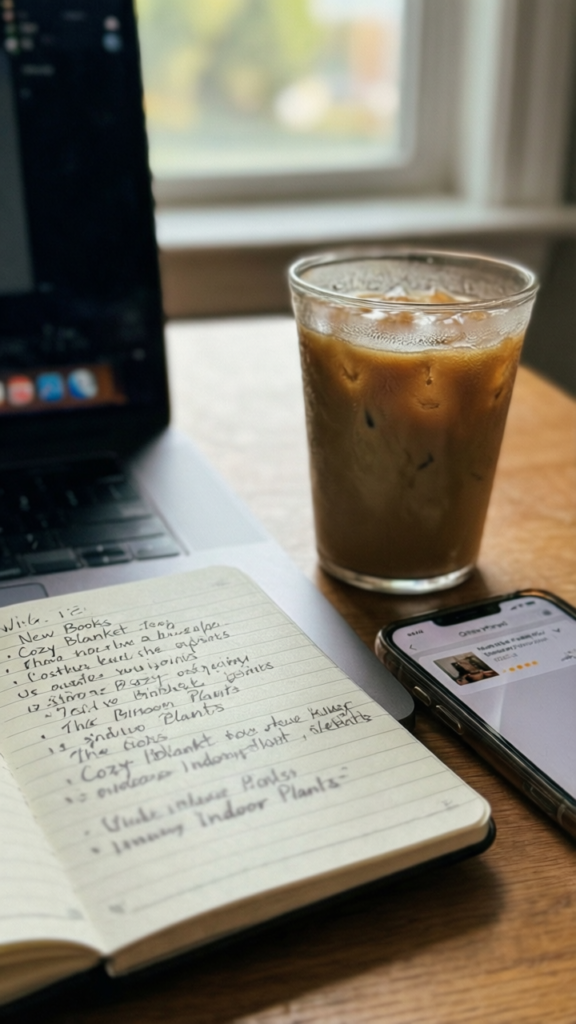
Writing things down slows emotional spending.
A wish list creates space between desire and action.
Many wants disappear naturally over time.
If I still wanted something after several weeks, the purchase usually felt more intentional and worthwhile.
Takeaway: Written wish lists help reduce impulsive shopping decisions.
A low buy aesthetic often feels calming because spaces are not overcrowded.
Empty shelves, clear countertops, and uncluttered closets create visual peace.
Not every corner needs decoration.
Overdecorated spaces can start feeling mentally noisy after a while.
Takeaway: Leaving empty space creates a calmer and more intentional home aesthetic.
This might be the most important habit of all.
Without defining enough, consumption becomes endless because there will always be newer trends, prettier packaging, and slightly upgraded versions of everything.
Clarity creates contentment.
Most of the peace I wanted came from slowing down, not buying more things.
Takeaway: Defining enough creates long-term satisfaction within a low buy aesthetic.
People often crave calmer environments after years of constant consumption.
The low buy aesthetic offers:
It creates breathing room emotionally and financially.
That feeling becomes addictive in the best way.
Some people accidentally turn low buy living into another form of perfectionism.
That usually backfires quickly.
A realistic low buy lifestyle should feel supportive, not restrictive.
Progress matters much more than aesthetic perfection.
Tiny habits quietly shape spending behavior.
Consistency creates lasting change.
The calmer my routines became, the less I wanted constant stimulation through shopping.
These creative ideas for your low buy aesthetic are not about deprivation or pretending material things never matter.
They are about building a calmer relationship with spending, clutter, and consumption.
Create cozy routines. Appreciate existing belongings. Define enough clearly. Slow down emotional shopping. Make your home feel peaceful instead of overloaded.
Those small changes quietly create a lifestyle that feels lighter, calmer, and much more intentional over time.
And honestly, realizing you already have enough more often than you thought feels surprisingly comforting once it finally sinks in.