Physical Address
304 North Cardinal St.
Dorchester Center, MA 02124
Physical Address
304 North Cardinal St.
Dorchester Center, MA 02124


A real-life, no-pressure guide to turning your debt payoff journey into something visual, motivating, and actually enjoyable to stick with.
The credit card bill sat there again, staring like it had opinions. Not a huge crisis, not rock bottom, just that slow creeping stress that hums in the background while you try to enjoy your coffee. You tell yourself you will deal with it later. Then later keeps moving.
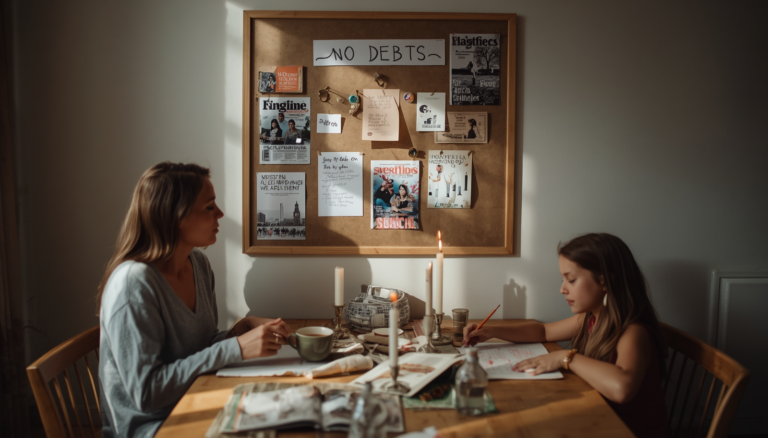
That is exactly where the idea of a vision board for debt reduction clicked for me. Not as some magical fix, but as a way to make the goal feel real, visible, and honestly a little prettier than spreadsheets and guilt.
If you have ever tried to stay motivated while paying off debt, you know it gets boring fast. So let’s fix that with something that actually pulls you in visually and emotionally.

Most financial advice feels like punishment. Spend less. Cut more. Repeat until you are miserable. No wonder people quit halfway.
An aesthetic vision board flips that script. It turns your goals into something you want to look at daily. It gives your brain a small dopamine hit instead of dread.
Takeaway: If it looks good, you are more likely to stick with it.

Clean, white space. Neutral tones. A few intentional images. This style removes the chaos and says one thing clearly. Focus.
I tried this during a time when my finances felt messy. Seeing a simple board every morning helped me feel like I could simplify my money too.
Add:
Takeaway: Simplicity reduces overwhelm and sharpens your focus.

Think warm lighting, coffee, soft blankets, and peaceful mornings. This is less about numbers and more about how debt free life feels.
As a mom, this one hit me hard. I wanted quiet mornings without checking my bank app first thing.
Add:
Takeaway: Connect your goal to emotional comfort, not just money.
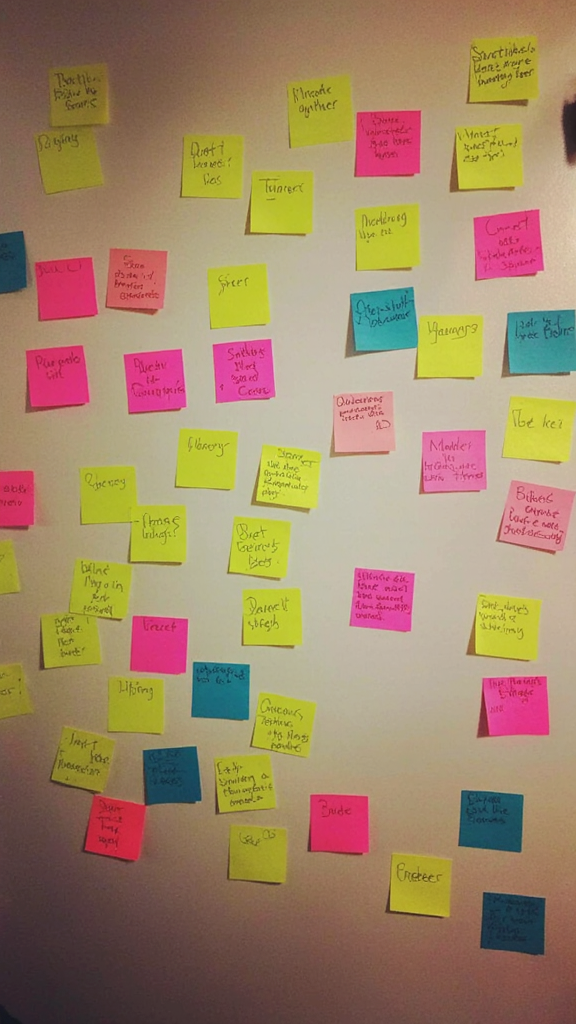
This one is loud on purpose. Big numbers. Progress bars. Bright colors.
It works if you need accountability staring you in the face daily. No hiding.
Add:
Takeaway: Visibility creates pressure, and sometimes pressure works.
This is your why board. Not fake luxury for show, but the life you actually want.
For me, it was less about designer bags and more about freedom to say no to work I hate.
Add:
Takeaway: Debt reduction is not the goal. Freedom is.
When you have a partner or kids, money stops being just about you. This board keeps that front and center.
I added my daughter’s future into mine. Suddenly skipping impulse buys felt easier.
Add:
Takeaway: When your why is bigger than you, discipline gets easier.
This one is all about earning, not just cutting back. Because honestly, cutting expenses only goes so far.
As a freelancer, this board kept me pushing for better clients and higher rates.
Add:
Takeaway: Increasing income accelerates debt payoff faster than cutting alone.
This is a visual story of where you are and where you are going. It makes progress real.
It felt awkward at first to admit where I was financially. But seeing the shift over time was powerful.
Add:
Takeaway: Progress is motivating when you can see it clearly.
Debt can make you feel behind. This board fights that mindset.
It reminds you that you are growing, not failing.
Add:
Takeaway: A positive mindset keeps you consistent long term.

Not everyone wants a physical board. A digital version works just as well.
FYI, I used my phone wallpaper for months and it worked surprisingly well 🙂
Add:
Takeaway: Keep your vision where you already spend time.
This one blends aesthetics with function. It looks good but also tracks real data.
I love this approach because it feels like control instead of restriction.
Add:
Takeaway: Pretty systems make boring tasks easier to stick with.
If you follow the debt snowball method, make it visual.
Watching one debt disappear at a time feels oddly satisfying.
Add:
Takeaway: Small wins build momentum fast.
This one is a little intense but effective. It focuses on short bursts of discipline.
I tried a 30 day version once and learned way too much about my spending habits :/
Add:
Takeaway: Short challenges can reset bad habits quickly.
This board is less about goals and more about identity. Who are you becoming?
Instead of saying I want to be debt free, you start thinking I am someone who manages money well.
Add:
Takeaway: Identity drives behavior more than goals alone.
This one maps out your future in phases. It connects debt payoff to actual life milestones.
When I built mine, I realized debt freedom was just step one, not the finish line.
Add:
Takeaway: Debt reduction is part of a bigger life plan.
You do not need fancy supplies or perfect design skills. Seriously.
Start simple:
Avoid perfection. This is not a Pinterest competition.
Takeaway: Done is better than perfect when it comes to motivation tools.
Let’s be honest, not all vision boards work.
Here are the usual problems:
I made all of these mistakes at some point. The fix was always the same. Make it real and keep it visible.
Takeaway: Your board should feel personal, not generic.
Debt reduction is not just numbers on a spreadsheet. It is emotional, messy, and sometimes frustrating. That is exactly why a vision board can help.
It gives your brain something to hold onto when motivation dips. It reminds you why you started when progress feels slow.
Pick one idea from this list and try it. Not all 14. Just one. Build from there.
And next time that bill shows up acting like it owns the place, you will have something better to look at. Something that quietly says you are getting there.