Physical Address
304 North Cardinal St.
Dorchester Center, MA 02124
Physical Address
304 North Cardinal St.
Dorchester Center, MA 02124


A simple, cozy fall reset to help you take back control of your finances without overwhelm, guilt, or complicated systems.
The other night I opened my banking app and instantly regretted it. Random subscriptions. Grocery runs that somehow doubled. A vague feeling that money was slipping through my fingers without asking permission. Not dramatic, just… annoying enough to keep me up thinking.
Fall always hits like that for me. New routines, school schedules, early sunsets, and suddenly I want my life to feel tighter, calmer, more intentional. Especially my finances.
If you’ve been feeling a little financially “meh,” this is your sign to reset. Nothing extreme. No spreadsheets that make you cry. Just simple routines that actually stick.

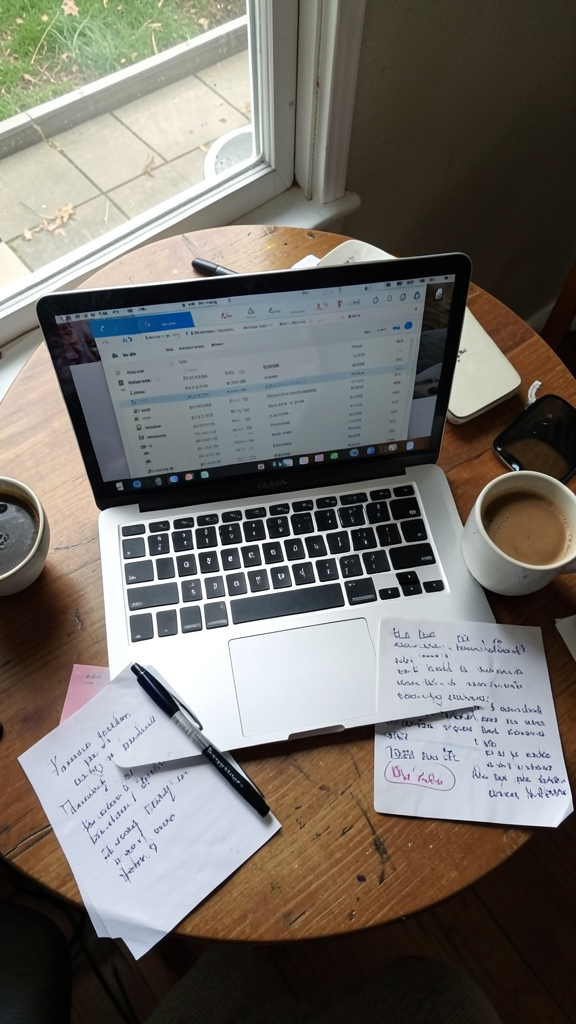
Forget those complicated monthly reviews. Start with 30 minutes. Set a timer. Open your accounts. Look at what’s real.
Here’s what I do:
No judgment. Just awareness.
I used to avoid this step because I thought I needed a full system first. Turns out, clarity comes before control.
Takeaway: You can’t fix what you refuse to look at. Start small and stay consistent.
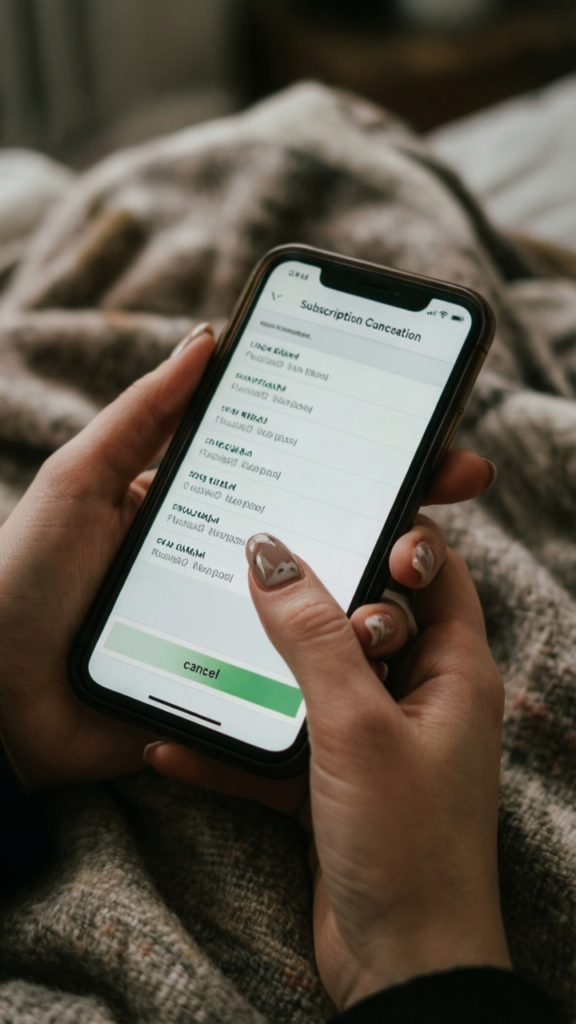
You probably have more than you think. We all do. That free trial you forgot. That app you swore you’d use daily.
Pick three and cancel them today.
Quick method:
If the answer is no, it goes.
IMO, this is the fastest way to feel immediate financial relief without sacrificing anything meaningful.
Takeaway: Cutting what you don’t use feels better than cutting what you love.
Fall routines mean different spending patterns. More groceries, maybe less travel. Adjust your weekly budget to match real life.
Here’s a simple way:
Not a strict diet. More like a guideline that keeps you from spiraling into random spending.
And yes, I still go over sometimes. The point is awareness, not perfection 🙂
Takeaway: A flexible budget works better than a perfect one you ignore.

This one sounds silly but it works. Make your money check-ins feel… nice.
For me, it’s:
Suddenly, reviewing finances doesn’t feel like punishment. It feels like a quiet reset moment.
We romanticize everything else in fall. Why not money?
Takeaway: If a routine feels good, you’re more likely to stick with it.
Not five goals. Not a vision board full of chaos. Just one.
Examples:
Keep it simple and specific.
When I tried to do everything at once, I did nothing well. One goal keeps your energy focused.
Takeaway: One clear goal beats ten vague intentions.
You don’t need a full no-spend month. That’s… intense.
Instead, pick 2 to 3 days a week where you spend nothing except essentials.
What counts:
These days create breathing room in your budget without making you feel restricted.
Also, they make you realize how often you spend out of boredom. Slightly humbling.
Takeaway: Small spending pauses can reset your habits fast.
If you rely on willpower, your savings will suffer. Trust me.
Set up automatic transfers:
Think of it as paying yourself first, not saving what’s left.
I used to wait and see what I could save. Spoiler: it was rarely anything meaningful.
Takeaway: Automation removes decision fatigue and builds consistency.
This sounds random, but it saves money immediately.
Before you shop:
I’ve found three half-used sauces and two unopened pasta boxes more times than I’d like to admit.
Fall is perfect for simple, cozy meals. Use what you’ve got.
Takeaway: Using what you already own is the easiest way to spend less.
If you’re in a relationship, this matters more than any budgeting app.
Keep it casual:
No lectures. No blame.
My husband and I used to avoid these talks until something went wrong. Now we check in regularly, and it feels way less stressful.
FYI, you don’t need to agree on everything. You just need to understand each other.
Takeaway: Open conversations prevent silent financial tension.

End your week with a quick reset.
Ask yourself:
Keep it light. No guilt spiral.
This habit keeps you in control without feeling overwhelmed. It’s like a weekly reset button for your money.
Takeaway: Progress comes from small, consistent adjustments.
There’s something about fall that naturally pushes you inward. More time at home. More structure. A desire to clean things up before the year ends.
Use that energy.
You don’t need a new year to start fresh. You just need a moment where you decide things are going to feel different.
And honestly, getting your finances in check now makes the holiday season way less stressful. No last-minute panic. No guilt-filled spending.
Takeaway: Timing matters less than intention, but fall makes it easier to follow through.
Getting your finances under control doesn’t require a total life overhaul. It’s a series of small resets that build momentum over time.
Start with one or two routines from this list. Let them become part of your week. Then layer in more as you go.
You’re not trying to be perfect. You’re trying to feel calm, aware, and in charge of your money again.
And that feeling? It’s better than any impulse purchase you almost made at 11 PM.