Physical Address
304 North Cardinal St.
Dorchester Center, MA 02124
Physical Address
304 North Cardinal St.
Dorchester Center, MA 02124


Simple financial habits to help families reset after summer, regain control of their budget, and ease back into a more organized routine without stress.
The credit card notification hits while you are unpacking beach bags and sorting laundry. You open the app, scroll for a second, then quietly close it like that will somehow fix things.
Summer always feels lighter in the moment. More outings, more snacks, more yes to everything. Then September shows up and your budget looks like it took a vacation too.
If your finances feel a little off right now, you are not alone. You do not need a complete overhaul. You just need a reset.
Here are 10 simple financial habits for families to reset after summer that actually work in real life.

Before fixing anything, look at where you stand.
Check:
No overthinking. Just facts.
I used to avoid this step because it felt uncomfortable. Turns out, avoiding it made everything worse.
Takeaway: Clarity comes before control.

Your summer budget and fall budget should not look the same.
Adjust for:
Make it realistic, not ideal.
IMO, a flexible budget works better than a perfect one you cannot follow.
Takeaway: Your budget should match your current season of life.
There is always a little spillover.
Watch for:
These habits stick around longer than they should.
It is like your brain forgot summer ended 🙂
Takeaway: Reset spending habits before they become routine again.
If saving slowed down, restart small.
Try:
Do not wait for the perfect number.
FYI, consistency matters more than how much you save.
Takeaway: Small savings rebuild momentum fast.
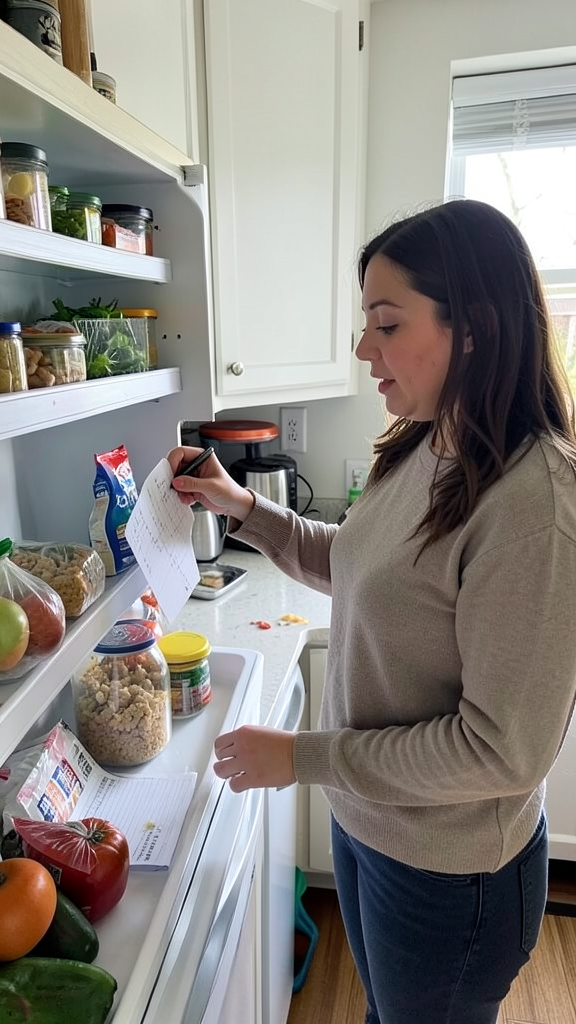
Summer meals are usually all over the place.
Get back to:
This alone can cut a big chunk of spending.
Also, fewer last minute takeout decisions. Always a win.
Takeaway: Meal planning brings structure back to your budget.
Monthly budgets can feel too far away.
Instead:
It feels more manageable.
This helped me stop that mid month panic.
Takeaway: Weekly limits make budgeting easier to follow.

Summer tends to bring in extra stuff.
Look for:
Sell or donate what you do not use.
It clears space and gives you a little extra cash.
Takeaway: Less clutter often leads to better spending habits.
This one is easy to ignore.
Check:
Cancel what you do not use.
You might be surprised how much is quietly leaving your account.
Takeaway: Small recurring costs add up fast.

Summer usually disrupts routines.
Restart:
Keep it short and simple.
Even 10 minutes can make a difference.
Takeaway: Consistency matters more than time spent.
This part matters more than most people think.
Do not:
Just reset and move forward.
Because honestly, some weeks will still feel messy :/
Takeaway: Progress works better than perfection.
It is not about strict rules. It is about simple habits that fit your daily life.
What works:
You do not need to track every detail.
You just need to stay aware and adjust when needed.
Resetting your finances after summer does not require a dramatic change. It requires small shifts that bring structure back into your routine.
Start simple, stay consistent, and focus on what actually matters.
You are not trying to be perfect. You are trying to get back on track.
And that is already a big step forward.