Physical Address
304 North Cardinal St.
Dorchester Center, MA 02124
Physical Address
304 North Cardinal St.
Dorchester Center, MA 02124


A simple guide to building small, consistent saving habits for your kids without cutting into your daily life or feeling the pressure.
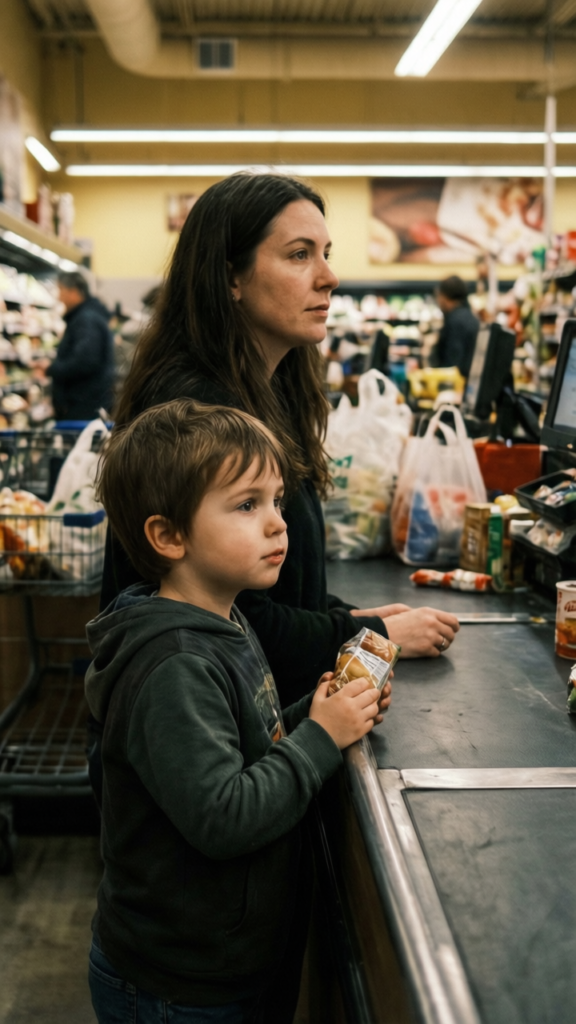
You are paying for groceries, your kid asks for a snack, and your brain quietly jumps ahead ten years. School costs, activities, things you are not even sure about yet. You nod, grab the snack, and tell yourself you will figure it out later.
That later keeps getting pushed.
Saving for kids sounds like something you need extra money for. But most of us are already stretched. The idea of saving more feels like cutting into things we already need.
I used to think the same. Then I realized saving does not always mean sacrificing. It can be built into what you already do.
It is not just about money.
It is timing, priorities, and the feeling that you never have enough left at the end of the month.
The trick is to stop thinking in big chunks. Focus on small shifts that do not feel painful.
Saving for kids becomes easier when it fits into your current lifestyle.

This is one of the easiest ways to start.
Every time you spend, round up the amount and save the difference.
For example:
You barely notice it, but it adds up over time.
Loose change, small leftover amounts, tiny balances.
Instead of ignoring them, collect them.
Set a habit:
It feels small, but it builds quietly.
You saved money on something. Great.
Now save that amount instead of spending it elsewhere.
If you get a deal or skip a purchase, move that money into your kid savings.
FYI, this one changed how I think about spending.
Saving money you did not spend is just as powerful as earning more.
Keep it out of your main account.
This avoids mixing it with daily expenses.
It also gives you a clear view of progress, which helps you stay motivated.

Do not aim high right away.
Pick something easy:
Consistency matters more than size.
Extra income should not disappear.
Think about:
Save a portion for your child before using the rest.
Unexpected money is one of the easiest ways to grow savings faster.
Do not cut everything.
Pick one thing:
Redirect that money into savings.
It feels manageable, not restrictive.

As they grow, include them.
Use simple examples:
It builds awareness early.
And honestly, it makes saving feel more meaningful 🙂
You do not need one perfect system.
You can mix:
That combination builds stronger results over time.
Multiple small habits together create steady, reliable savings.

The biggest mistake is making saving feel like a burden.
I tried strict plans before. They lasted about two weeks.
What worked was making it feel automatic and low effort. Once it became part of my routine, I stopped thinking about it as a sacrifice.
That shift matters more than any number.
It is not big deposits.
It is repetition.
Small amounts saved consistently over time turn into something meaningful. You will not notice it daily, but months later, it adds up.
IMO, this is where most people underestimate the process.
It is easy to overcomplicate things.
Watch for:
Keep it simple so you can keep going.
A simple system you follow beats a perfect system you abandon.
These creative ways to start saving for kids without feeling the pinch are built for real life. Busy schedules, tight budgets, and everything in between.
Start small. Pick one method and try it this week.
Let it become a habit. Then add another.
You are not trying to save everything at once. You are building something slowly and steadily.
And one day, when you check that account and see real progress, you will realize it was never about big sacrifices. It was about small, consistent steps.