Physical Address
304 North Cardinal St.
Dorchester Center, MA 02124
Physical Address
304 North Cardinal St.
Dorchester Center, MA 02124


A simple, practical guide to starting a child savings plan that grows steadily over time without needing a perfect system.
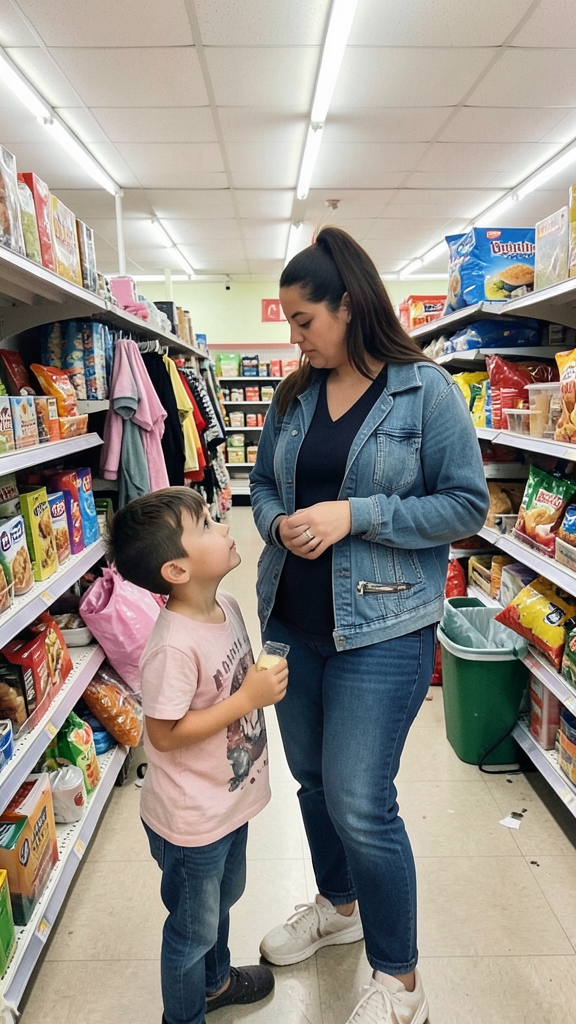
You are standing in a store, your kid asking for something small, and your brain is already ten years ahead. School fees, future plans, things you cannot fully predict yet. You nod, smile, and say maybe later, but the thought stays with you.
That quiet pressure builds over time. You want to prepare, but it is hard to know where to start. Save how much. Save where. Save when.
I went through the same loop. I kept delaying it because I thought I needed a perfect plan. Turns out, starting simple was the only thing that actually worked.
Time does most of the work.
Not huge amounts. Not complicated strategies. Just consistency over time.
A child savings plan is less about big moves and more about small actions repeated often.
Starting early with a simple system beats waiting for the perfect plan.

Keep your child savings separate from your daily money.
This creates clarity. You see progress. You avoid dipping into it for random expenses.
It does not need to be complicated. A basic savings account works fine.
I remember opening one and thinking it felt too small to matter. It mattered more than I expected 🙂
A separate account protects your savings and builds discipline.

You do not need to start big.
Pick an amount that feels easy:
Consistency beats intensity every time.
Even small deposits build momentum. That momentum keeps you going.
Set it and forget it.
Automating transfers removes the need to decide every time. It also reduces the chance of skipping.
Money moves before you have time to spend it elsewhere.
FYI, this is one of the simplest ways to stay consistent.
Automation turns saving into a habit instead of a decision.
Any unexpected money becomes an opportunity.
Think about:
You do not have to save all of it. Just allocate a portion to your child savings.
It speeds things up without affecting your regular budget.
You might save for:
Be clear about your intention, but stay flexible.
Life changes. Plans evolve. Your savings plan should adjust too.
Clear goals give direction, but flexibility keeps your plan realistic.
Check in every few weeks or once a month.
Look at:
Make small adjustments instead of big overhauls.
IMO, small consistent tweaks work better than dramatic changes.

As your child grows, include them in simple ways.
Talk about saving. Show them progress. Let them understand the idea.
It builds awareness and responsibility early.
And honestly, it makes the process feel more meaningful.
Involving your child turns saving into a shared habit, not just a hidden task.

Some months will go smoothly. Others will not.
There were times I skipped contributions or reduced them. That did not break the system.
What matters is coming back to it. Adjusting without quitting.
That mindset makes the plan sustainable.
It is easy to overcomplicate things.
Watch out for:
Simple systems are easier to maintain.
It is not the account type. It is not the perfect number.
It is consistency.
A small amount saved regularly over years becomes something meaningful. You do not notice it day to day, but over time it grows.
And that growth creates options for your child later.
These best strategies to start a child savings plan today are meant to help you begin, not overwhelm you.
Start with one step. Open that account. Set that first small transfer.
Keep it simple. Stay consistent. Adjust when needed.
You are not trying to predict the future. You are building a cushion for it.
And one day, when those future expenses show up, you will be glad you started when it felt small and uncertain.