Physical Address
304 North Cardinal St.
Dorchester Center, MA 02124
Physical Address
304 North Cardinal St.
Dorchester Center, MA 02124


A practical, real-life guide to saving money as a family with simple habits that actually stick without cutting out the things that make everyday life enjoyable.
The grocery total climbs higher than expected again. You stand there doing quick math while your kid casually adds one more snack to the cart. You say nothing, but inside you are already adjusting the rest of the week.
That kind of moment happens more often than most people admit. You are not careless. You are just trying to run a home, keep everyone happy, and stay within limits that feel tighter every month.
I went through the same cycle. Cutting things, feeling deprived, then slowly slipping back into old habits. What finally worked was not strict budgeting. It was finding small, realistic ways to save that fit family life.

Saving money alone is one thing. Doing it with a family is a different game.
You are not just managing your own habits. You are balancing needs, wants, moods, and unexpected chaos. Kids grow fast. Expenses grow faster.
The goal is not to control every dollar. It is to build habits that actually stick.
Family money saving works best when it fits real life, not perfect plans.

This one made a bigger difference than I expected.
When I plan meals, I shop with purpose. No random items, no wasted food.
Keep it simple:
It saves money and mental energy.
I walk into the store with a number in mind. Not a vague idea. A real limit.
It changes how you shop. You pause more. You think before adding extras.
And yes, sometimes you put things back. That is part of it.
Bulk buying sounds smart until half of it sits unused.
Stick to items your family uses often:
Otherwise, it turns into waste.
We still order food. Just not as often.
Instead of removing it completely, we limit it. Maybe once a week or twice a month.
It feels like a treat, not a habit.
You do not need to remove comfort spending, just reduce it intentionally.
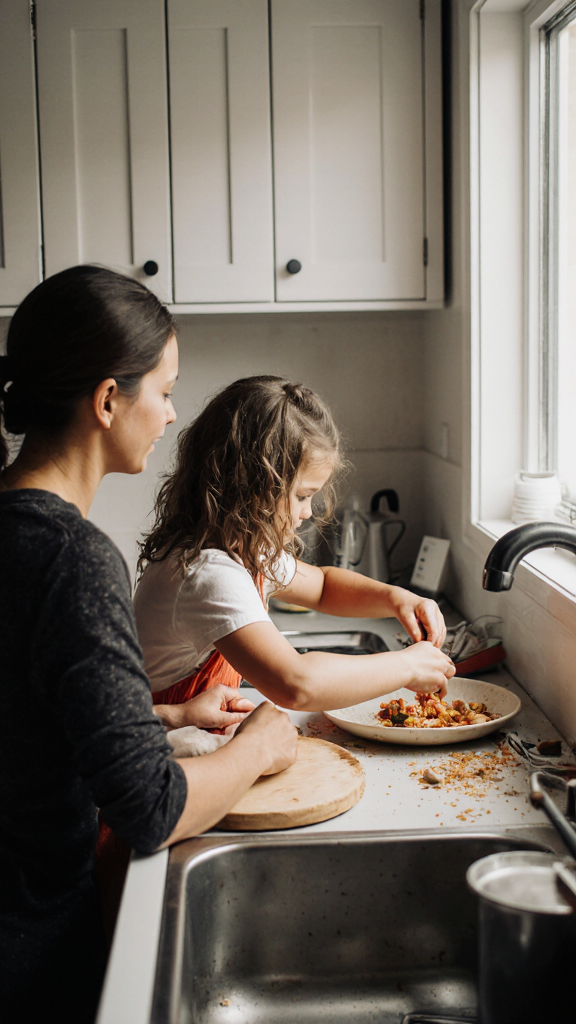
Before I shop, I check the kitchen.
You would be surprised how much is already there. Half-used sauces, forgotten ingredients, random snacks.
Build meals around what you have. It saves money without effort.
We use a basic rule. Anything above a certain amount gets discussed.
It avoids surprise purchases. It also keeps both of us involved.
Simple rules work better than complicated systems.
Kids notice everything. Including how you spend money.
We involve our daughter in small ways:
It builds awareness early. FYI, it also reduces random demands later.

You do not need expensive outings every weekend.
Some of our best days are simple:
Fun does not have to cost much.
Small changes add up:
No need to go extreme. Just be a bit more mindful.
Saving money often comes from small daily habits, not big sacrifices.
Kids outgrow things fast. So do adults.
Go through your home and sell items you no longer need.
It clears space and brings in extra cash. A win on both sides.
This one is real.
Sometimes you shop because you are tired or bored, not because you need something.
Find alternatives:
It sounds basic, but it works.

We take ten minutes once a week.
We look at:
It keeps things clear without turning into a big task.
You do not need to overhaul everything at once.
Start small:
Small changes build over time.
You will overspend sometimes. Kids need things. Life happens.
Do not treat it as failure.
IMO, consistency matters more than perfect control. Adjust and keep going.
Long-term savings come from staying consistent, not being perfect.
Once we stopped treating saving like punishment, things changed.
It became part of daily life. Not something we forced, but something we adjusted into our routine.
Our home feels calmer now. Less stress around money. Fewer surprises.
And honestly, we still enjoy life. We just do it with more awareness.
These family money saving ideas that actually work are built for real families. Busy schedules, changing needs, and imperfect habits.
You do not need a perfect system. You need something simple that you can repeat.
Start with one or two ideas this week. Try them. Adjust them. Make them yours.
At the end of the day, saving money as a family is not about restriction. It is about creating space for what matters most.