Physical Address
304 North Cardinal St.
Dorchester Center, MA 02124
Physical Address
304 North Cardinal St.
Dorchester Center, MA 02124


A simple, realistic guide packed with practical money-saving hacks you can start today to reduce stress and take control of your finances fast.
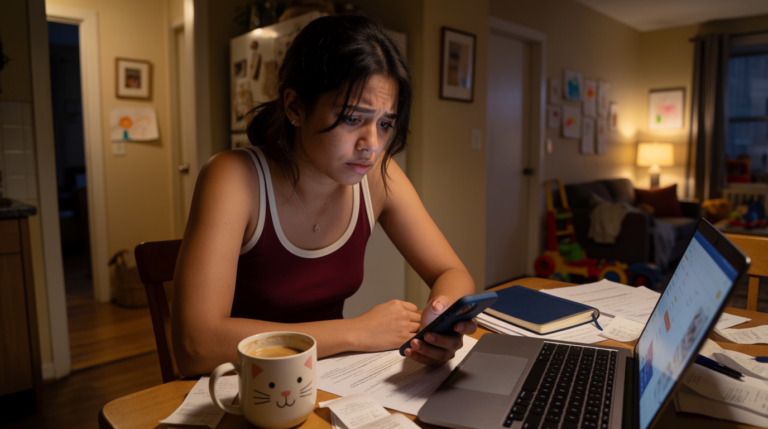
The total at checkout is higher than expected. Again. You quickly remove one item, then another, pretending it’s a choice and not a necessity. You tap your card and walk away already thinking about what you need to cut next.
That feeling sneaks up on a lot of people. Not broke, but not comfortable either. Just stuck in that annoying middle where money disappears faster than it should.
If that sounds familiar, here are 14 practical money saving hacks you can start today. No complicated systems. Just real changes that actually make a difference.

A lot of advice sounds good in theory but doesn’t work in real life.
It asks you to change everything at once. Spend nothing. Track everything perfectly. That’s not sustainable.
You don’t need extreme discipline. You need simple habits that fit your daily routine.
Takeaway: Simple changes done consistently beat complicated plans every time.
Don’t overthink it.
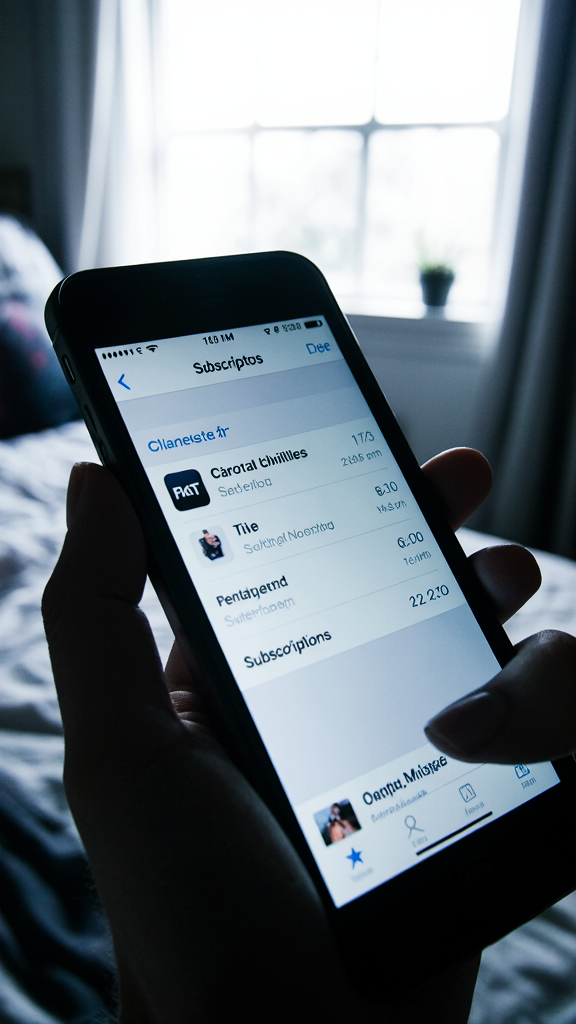
Open your bank app and find one subscription you barely use. Cancel it today. Not later.
It’s one of the fastest ways to free up money.
Takeaway: Quick wins build momentum.
See exactly where your money is going every month and take back control fast
What this free tool helps you do
You don’t need a full month challenge.
Try three days with no non-essential spending. It resets your habits and shows you how often you spend out of boredom.
It’s uncomfortable at first. Then it gets easier 🙂
Takeaway: Short resets can change long-term behavior.
Before buying anything, check your home.
Food, clothes, random items. You probably have more than you think.
This habit alone can cut spending a lot.
Takeaway: Use first, buy later.
Big budgets feel overwhelming.
A daily number feels real. If you hit your limit, you stop.
It forces you to prioritize.
Takeaway: Daily limits keep spending in check.

If you overspend in certain categories, use cash.
Dining out, shopping, entertainment. When the cash runs out, that’s it.
No mental debates needed.
Takeaway: Cash creates natural boundaries.

Food spending gets out of control fast.
Plan simple meals and stick to a list when shopping. It reduces waste and impulse buying.
Your future self will thank you :/
Takeaway: Meal planning saves money and stress.
Convenience is expensive.
Delivery fees, pre-made food, last-minute purchases. They feel small but add up quickly.
A little planning goes a long way.
Takeaway: Convenience often costs more than you notice.
Pick one bill and try to reduce it.
Call your provider or switch plans. Internet, phone, insurance.
It might feel awkward, but it works more often than you expect.
Takeaway: Fixed expenses have long-term impact.
Not forever. Just one week.
Write down every expense. It will reveal patterns quickly.
Some of those patterns might surprise you.
Takeaway: Awareness leads to better decisions.
Want something that isn’t necessary?
Wait a few days before buying it. Most urges fade.
If you still want it, then decide.
Takeaway: Time reduces impulse spending.
Brand loyalty is expensive.
Try switching to generic for groceries and basic items. The difference is often small.
The savings add up over time.
Takeaway: Small price differences matter.
Look around your space.
There’s something you don’t use anymore. List it and sell it.
It’s quick cash and less clutter.
Takeaway: Turn unused items into money.
Don’t wait to save what’s left.
Set up a small automatic transfer after you get paid. Even a small amount builds the habit.
Consistency matters more than size.
Takeaway: Pay yourself first, even if it’s small.

Don’t ignore your money until the end of the month.
Take 10 minutes once a week to review your spending.
Adjust if needed and move on.
Takeaway: Regular check-ins keep you in control.
At one point, saving money felt impossible.
Not because I didn’t care. Just because everything felt too big to fix. So I kept putting it off.
Then I started small. One subscription canceled. One week of tracking. One simple meal plan.
Nothing dramatic. But slowly, things shifted. Less stress. More awareness. More control.
Takeaway: Small actions repeated consistently create real change.
You get motivated and change everything.
Then you burn out and quit.
They seem harmless, but they repeat often.
If your plan feels miserable, you won’t stick to it.
Takeaway: Balance and consistency matter more than perfection.
Saving money doesn’t have to feel overwhelming.
You don’t need a perfect system. You need a few practical habits you can stick to.
Start with one or two of these hacks. Keep it simple. Build from there.
Next time you check your balance, it won’t feel like a surprise. You’ll know exactly what’s going on. And that feeling is worth everything.