Physical Address
304 North Cardinal St.
Dorchester Center, MA 02124
Physical Address
304 North Cardinal St.
Dorchester Center, MA 02124


A simple, realistic guide to building your emergency fund faster with small habits that fit into everyday life without feeling overwhelming.
The message came in at the worst time. A repair bill we did not plan for, and our savings were… not ready. Not empty, but not enough to feel calm either. That uneasy feeling stuck with me longer than the bill itself.
It is a familiar situation for most people. Life throws something small but urgent, and suddenly your budget feels fragile.
That is why building an emergency fund matters. Not for some perfect future, but for those random, inconvenient moments that show up without warning.
If you want something practical and doable, these 18 easy ways to build an emergency fund faster can help you get there without turning your life upside down.

Saving sounds simple. Spend less, save more. Done.
Real life is messier. Expenses pop up. Motivation fades. And saving often feels like taking money away from your present self.
I used to treat saving like an afterthought. Whatever was left at the end of the month. You can guess how that went.
The shift happened when I started treating savings like a fixed expense instead of a leftover.
Takeaway: Saving works better when it is planned, not optional.
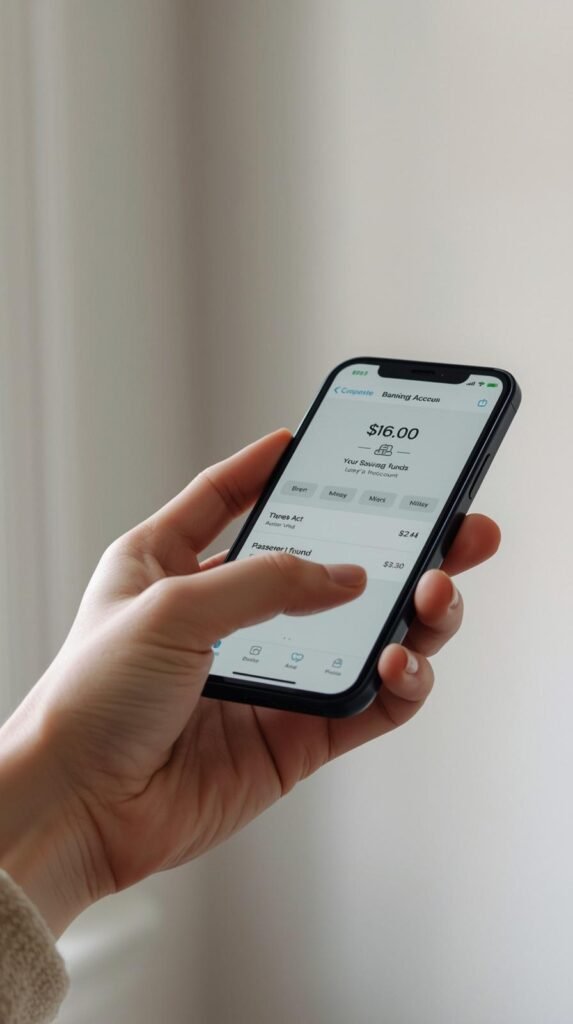
Move money into savings as soon as you get paid.
Do not wait to see what is left. There will never be much left.
Even a small amount builds the habit.
Takeaway: Save first, adjust spending after.
You do not need to save huge amounts right away.
Start with something easy. Ten or twenty at a time.
Small wins build momentum, and momentum matters more than size.
Takeaway: Consistency beats intensity.
Set up automatic transfers to your emergency fund.
This removes decision fatigue. You do not have to think about it every week.
It just happens quietly in the background.
Takeaway: Automation makes saving effortless.
See Exactly How Long It Will Take to Reach Your Goal
Keep your emergency fund in a different account.
Out of sight helps reduce temptation. If it sits in your main account, you will find reasons to use it.
I learned this the hard way FYI.
Takeaway: Distance creates discipline.

Pick one expense to pause for a month.
Could be takeout, subscriptions, or small daily treats.
Redirect that money into your emergency fund.
Takeaway: Short-term sacrifice can create long-term security.
I also wrote a piece on easy ways to cut summer expenses, feel free to check it out later.
Choose a few days or a full week with no spending.
This quickly frees up extra cash to save.
It also shows you how much spending is habit, not need.
Takeaway: Awareness leads to better choices.
Tax refunds, bonuses, gifts. Send a portion straight to savings.
It is tempting to spend it, but this is one of the easiest ways to boost your fund fast.
You will not miss money you did not plan for.
Takeaway: Unexpected money is a saving opportunity.
Round every purchase up and save the difference.
Spend 3.50, save 0.50.
It feels small, but it adds up quietly over time.
Takeaway: Small actions repeated daily create results.
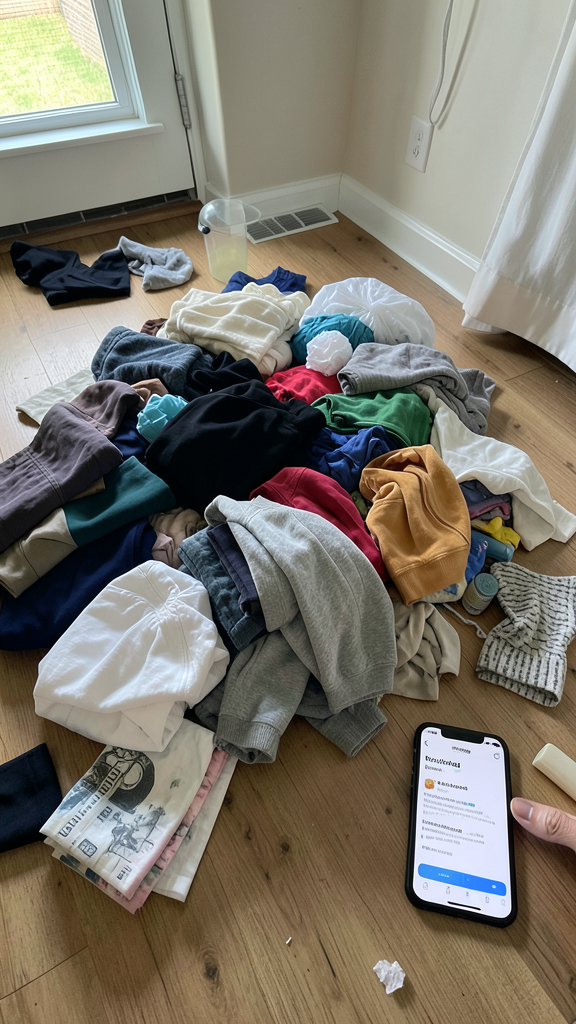
Look around your home. There is probably stuff sitting unused.
Clothes, gadgets, random items you forgot about.
Selling them turns clutter into savings.
Takeaway: Your home may already hold extra cash.
Saving without a goal feels vague.
Decide on a number. Even a small one like 500 to start.
A clear target gives you direction and motivation.
Takeaway: A goal makes saving feel real.

Check your emergency fund regularly.
Watching it grow builds motivation.
It also keeps you accountable.
Takeaway: Progress tracking keeps you engaged.
Groceries are flexible. You can adjust them without major lifestyle changes.
Plan meals. Avoid waste. Skip extras.
I cut back slightly and saved more than expected :/
Takeaway: Small tweaks in groceries free up extra cash.
Pause before buying anything non-essential.
Give it a day. Most of the time, the urge fades.
This one habit can save more than you think.
Takeaway: Time reduces unnecessary spending.
Withdraw a set amount for personal spending.
Once it is gone, you stop.
It creates a natural limit without constant tracking.
Takeaway: Physical limits make spending real.
Even a small extra income helps.
Freelance work, selling items, or short gigs.
Direct all extra earnings into your emergency fund.
Takeaway: Extra income accelerates savings.
If your income increases, save part of it.
Avoid upgrading your lifestyle immediately.
You were managing before. You can keep managing.
Takeaway: Lifestyle inflation slows progress.
Treat saving like brushing your teeth.
It is not exciting, but it happens regularly.
Routine removes resistance.
Takeaway: Habits create stability.
Saving can feel slow. Celebrate progress.
First 100. First 500. First 1000.
Small wins keep you going 🙂
Takeaway: Motivation grows when you acknowledge progress.
You do not need to aim for a huge number right away.
Start with a small buffer. Something that covers basic emergencies.
Then build from there.
For most people:
Focus on progress, not perfection.
Takeaway: Build your emergency fund step by step.
Building an emergency fund is not about being perfect with money. It is about being prepared enough to handle life when it gets inconvenient.
These easy ways to build an emergency fund faster are simple, practical, and flexible. You do not need to do all of them. Just pick a few and start.
Because the real goal is not a number in your account. It is the feeling of knowing that when something unexpected happens, you can handle it without stress.
And that feeling is worth every small step you take.