Physical Address
304 North Cardinal St.
Dorchester Center, MA 02124
Physical Address
304 North Cardinal St.
Dorchester Center, MA 02124


These creative and surprisingly motivating ways to visualize debt progress can help turn slow financial goals into visible wins that actually keep you going.
The payment went through, but the balance barely moved.
That tiny drop in debt felt almost insulting after skipping takeout, selling old clothes online, and saying no to every random Target aisle temptation. Honestly, debt payoff can feel like running on a treadmill while holding groceries and emotional baggage at the same time.
Most people quit because the progress feels invisible.
That’s exactly why learning how to visualize debt progress matters so much. When you can actually see movement, your brain stops treating debt payoff like endless punishment. It starts feeling real. Kind of addictive, actually.
Here are 7 creative ways on how to visualize debt progress that make paying off debt feel less miserable and way more motivating.

This one sounds cheesy until you try it.
A friend of mine drew a huge thermometer chart on poster board and taped it beside her desk. Every time she paid off another chunk of debt, she colored in more sections with bright pink marker like a middle school fundraiser mom on a mission.
And weirdly? It worked.
There’s something satisfying about physically filling space and watching the number shrink. Apps are nice, but swiping through screens doesn’t hit the same way as aggressively coloring a debt chart after paying an extra $50.
To make your own debt thermometer:
The visibility matters. Out of sight usually turns into out of control.
Takeaway: Visual progress keeps your motivation alive when the numbers move painfully slow.

This method feels ridiculously simple, which is probably why people ignore it.
Cut strips of colored paper. Write a debt amount on each strip. Then link them together into a giant chain.
Every time you pay off a chunk of debt, remove one loop.
That tiny action creates a weirdly emotional moment. My daughter actually loved helping me tear off paper rings when we were paying down our credit cards. It turned debt payoff into a family win instead of a secret stress cloud hanging over the house.
Plus, watching the chain shrink feels oddly dramatic in the best way 🙂
Ideas for customizing your chain:
Honestly, adults need gold stars too.
Coloring books are no longer just for exhausted parents hiding in bathrooms for five quiet minutes.
One of the most creative ways on how to visualize debt progress involves printable coloring trackers. You can find house drawings, mountains, jars, flowers, or even tiny vacation scenes where each section represents a payment amount.
Every payment lets you color another section.
I used a little beach vacation tracker during one intense debt payoff phase. Every extra payment colored another palm tree or wave. Was it slightly ridiculous? Absolutely. Did it stop me from rage-shopping online at midnight? Also yes.
Popular debt payoff coloring themes:
Takeaway: Making debt payoff visually fun reduces the emotional heaviness around money goals.
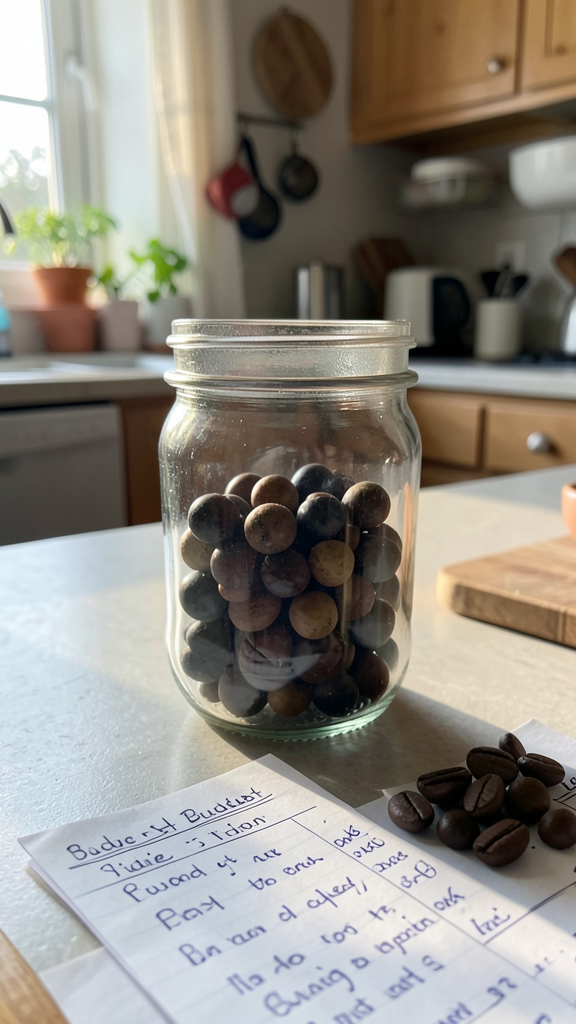
This method works especially well for visual people.
Grab a large glass jar and a pile of marbles, beads, coins, or buttons. Every time you pay off $100 or another amount you choose, add one piece into the jar.
Simple. Cheap. Weirdly satisfying.
One couple I know used coffee beans because they owned approximately seventeen pounds of coffee at all times anyway. Every debt payment earned another scoop into the jar. Their kitchen counter slowly filled with visual proof that progress was happening.
The beauty of this method is that it feels tangible. Debt normally exists as stressful numbers floating around on screens. This turns it into something physical.
FYI, hearing marbles clink into a jar after sending a payment feels more rewarding than half the stuff people buy online out of boredom.

Some people thrive on aesthetic planners and colorful pens. Some people buy planners and abandon them after three days. I have personally experienced both personalities.
But adding a debt tracker inside your weekly planner helps connect your financial goals to everyday life.
You can create:
One thing that helped me most was writing tiny celebration notes beside milestones. Things like:
Listen, small victories count.
The reason planners work so well is consistency. You see the goal constantly instead of checking balances only when you feel brave enough.
Takeaway: Debt payoff becomes more manageable when you build it into your normal routines instead of treating it like a punishment project.
Most people think vision boards only work for dream vacations and suspiciously perfect beach houses.
But creating a debt freedom vision board can seriously shift your mindset.
Instead of obsessing over what debt takes away, you focus on what freedom creates.
My version included:
Nothing extravagant. Just stability.
That emotional connection matters because debt payoff is mostly mental. Numbers alone rarely keep people motivated for years.
When building your board, include:
Not fake hustle culture nonsense. Real things you genuinely want.
Okay, spreadsheets sound boring. I know.
But hear me out.
A well-designed spreadsheet can turn debt payoff into a game instead of a guilt spiral. One freelancer friend created a colorful tracker with progress bars that automatically updated after each payment. Every 10 percent milestone triggered a small reward.
Not luxury handbags, obviously.
More like:
The rewards kept momentum going without destroying the budget.
Your spreadsheet can track:
IMO, watching those progress bars slowly fill activates the same part of the brain that loves checking off to-do lists. Humans really are simple creatures sometimes.
Debt payoff often fails because the process feels endless.
You sacrifice things constantly:
But the rewards stay invisible for months.
That disconnect drains motivation fast.
Learning how to visualize debt progress changes the emotional experience. Suddenly you can see proof that your efforts matter. Tiny payments stop feeling pointless because they visibly move something forward.
And honestly, motivation matters more than perfection.
A basic paper chart used consistently beats an abandoned complicated budget system every single time.
Some tracking systems accidentally make people feel worse instead of better.
A few common mistakes:
One woman I know created color-coded spreadsheets so advanced they looked like NASA mission controls. Two weeks later she gave up completely because maintaining them became exhausting.
Keep your system simple enough to survive real life.
Because real life includes:
Perfection is not required.
The best method depends on your personality.
If you love crafts:
If you like structure:
If you need physical reminders:
If you want emotional motivation:
The goal is not making Pinterest-worthy debt trackers. The goal is staying motivated long enough to actually become debt free.
That’s the whole game.
These 7 creative ways on how to visualize debt progress can turn a frustrating financial journey into something that actually feels encouraging.
Because debt payoff is rarely just math.
It’s emotional. Exhausting. Slow. Sometimes deeply annoying.
But when you can physically see progress happening, everything shifts a little. Motivation lasts longer. Small wins feel meaningful. And those boring monthly payments start building visible proof that your life is changing.
One tiny step at a time.