Physical Address
304 North Cardinal St.
Dorchester Center, MA 02124
Physical Address
304 North Cardinal St.
Dorchester Center, MA 02124


A practical guide packed with real-life grocery saving tips to help families cut costs, waste less, and stay on budget without overcomplicating everyday meals.
The total at checkout feels a little too high. You scan the receipt in the car, wondering how a quick grocery run turned into a budget stretch. Nothing looks crazy, yet the number still stings.
Feeding a family is one of those things that sounds simple until you actually do it every week. Between busy schedules, picky eaters, and rising prices, groceries can quietly become one of the biggest expenses.
If you are trying to stay on track, these 19 smart grocery saving tips for families on a budget come from real trial and error. Not perfect plans, just practical habits that actually work.

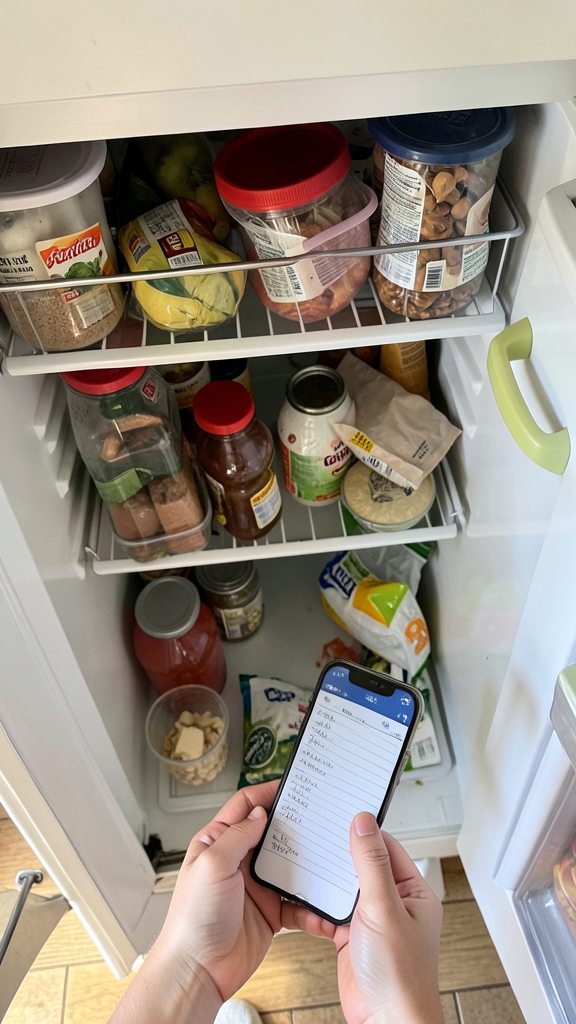
Before making a list, open your fridge and pantry.
I used to skip this step and ended up with three bottles of the same sauce. Not my proudest moment.
Takeaway: Shop your kitchen first, not the store.
Busy days need simple meals. Slower days can handle more effort.
Plan meals based on:
This reduces stress and last-minute takeout.
Takeaway: A realistic meal plan saves both money and time.
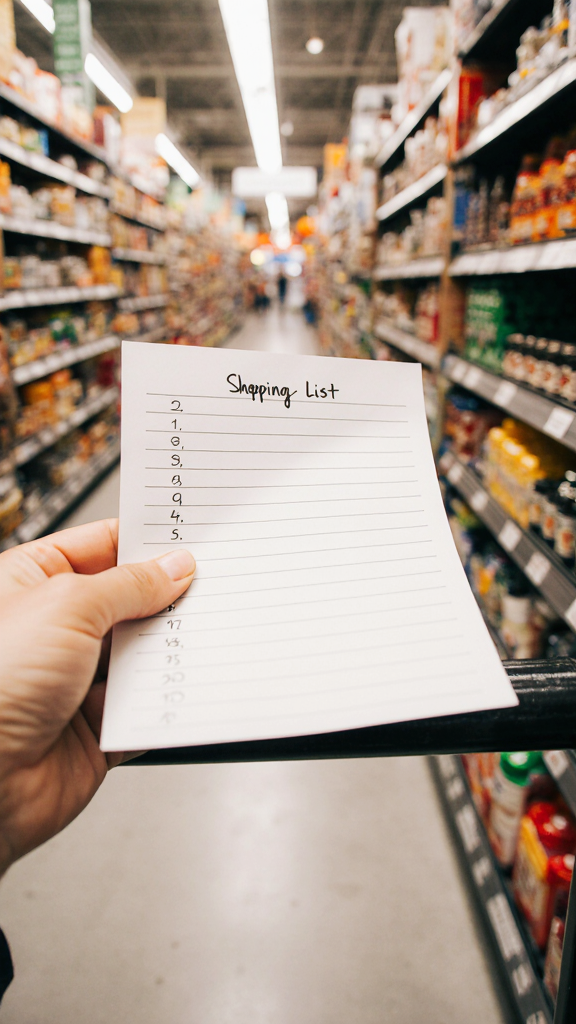
Impulse buys add up fast.
Write your list and treat it like a boundary, not a suggestion.
Yes, those snacks will try to tempt you 🙂
Takeaway: A list keeps your spending focused.
This sounds obvious, but it matters.
When you shop hungry:
I have tested this more times than I care to admit.
Takeaway: Eat first, shop second. Always.
Do not just look at the total price.
Check the price per unit to find the better deal.
Bigger is not always cheaper.
Takeaway: Unit pricing helps you make smarter choices.
Store brands often match the quality of name brands.
Start with basics:
Most of the time, you will not notice a difference.
Takeaway: Store brands can cut your bill without cutting quality.
Bulk buying works if you actually use the items.
Good bulk options:
Avoid bulk deals on things you rarely use.
Takeaway: Bulk saves money only when it prevents future purchases.
Seasonal fruits and vegetables cost less and taste better.
Plan meals around what is in season.
It adds variety without increasing your budget.
Takeaway: Seasonal shopping is a simple way to save.
Coupons help, but only if you use them for things you already need.
Buying something just because it is discounted is not saving.
It is spending.
Takeaway: A deal is only a deal if it fits your plan.
Food lasts longer when stored correctly.
We wasted less food once we got serious about storage.
Takeaway: Better storage means less waste and more savings.
Freezing extends the life of many foods.
This saved us during busy weeks when cooking felt impossible.
Takeaway: Your freezer is your backup plan.
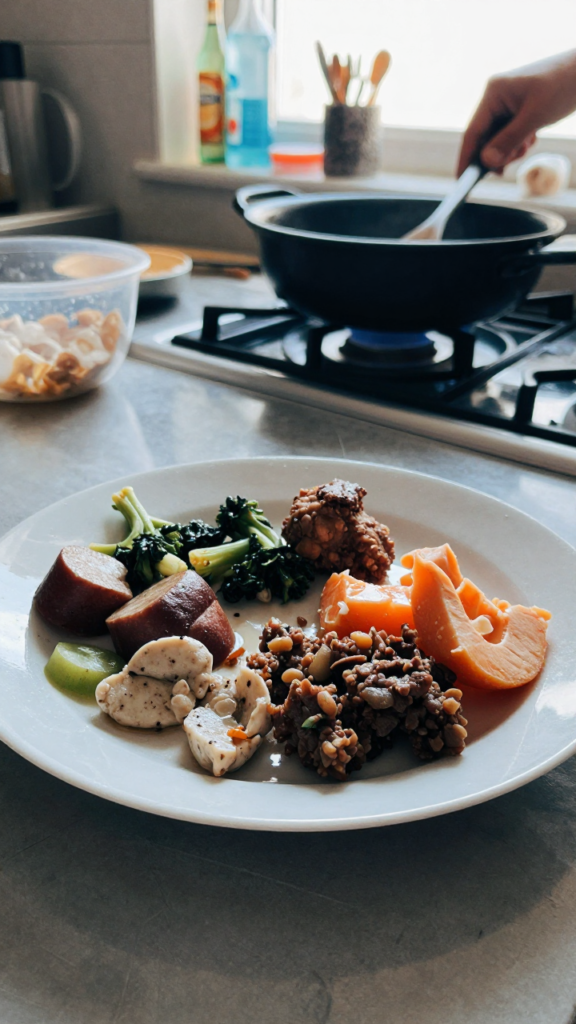
Leftovers do not have to feel boring.
Transform them into something new:
This reduces waste and keeps meals interesting.
Takeaway: Creativity saves money.
Place older items in front and newer ones in the back.
This helps you use food before it expires.
It sounds simple, but it works.
Takeaway: Visibility prevents forgotten food.
Give yourself a clear spending limit.
Break it down weekly instead of monthly.
This makes it easier to stay on track.
Takeaway: Smaller limits are easier to manage.
Pre-cut or ready-made items cost more.
Buy whole ingredients and prep them at home when possible.
Yes, it takes time, but it saves money.
Takeaway: Convenience often comes with a higher price.
Eating out adds up fast.
Start with:
You do not need to be a chef to save money :/
Takeaway: Cooking at home is one of the biggest money savers.
Fewer trips mean fewer impulse purchases.
Try shopping once a week or even less.
Plan ahead to make it work.
Takeaway: Less exposure leads to less spending.
Write down how much you spend each week.
Look for patterns and areas to improve.
This step helped me stay accountable.
Takeaway: Awareness leads to better decisions.

Teach your kids simple habits:
It turns grocery saving into a shared effort.
Takeaway: Teamwork makes saving easier.
This leads to overspending and wasted food.
Not every discount is worth it.
Simple meals are easier to stick to and cost less.
Takeaway: Simplicity is your best strategy.
We did not overhaul everything overnight.
We started small:
Over time, these habits added up. Grocery shopping became less stressful and more predictable.
It still is not perfect. Some weeks go off track. That is normal.
These smart grocery saving tips for families on a budget are not about cutting everything down to the bare minimum. They are about being intentional with how you shop, cook, and use what you have.
Start with a few changes. Build from there. Keep it realistic.
Saving on groceries is not about doing everything right. It is about doing a few things consistently.
And next time you check that receipt in the car, it might feel a little less painful and a lot more under control 🙂