Physical Address
304 North Cardinal St.
Dorchester Center, MA 02124
Physical Address
304 North Cardinal St.
Dorchester Center, MA 02124


A real-life, no-pressure guide to saving money in small, practical ways without cutting out the little things that actually make your day feel good.
The card gets declined at the worst time. You stand there with your coffee and your kid asking for a muffin, doing quick math in your head that never quite adds up. You know you are not reckless with money. Still, it feels like every small joy comes with a quiet penalty.
That is where this whole thing started for me. I did not want to cut joy out of my life. I just wanted to stop feeling guilty for enjoying it.
So I tested, failed, adjusted, and found what actually works in real life. Not extreme budgeting. Not cutting everything fun. Just smarter choices that let you keep what matters.

Saving money does not have to mean living like a monk. Most advice sounds good on paper but falls apart once real life hits. Kids, work stress, social plans, random cravings. You cannot plan every moment.
What worked for me was shifting from restriction to control. I stopped asking what to cut and started asking what is worth keeping.
Saving money works better when you protect what you love instead of cutting everything blindly.
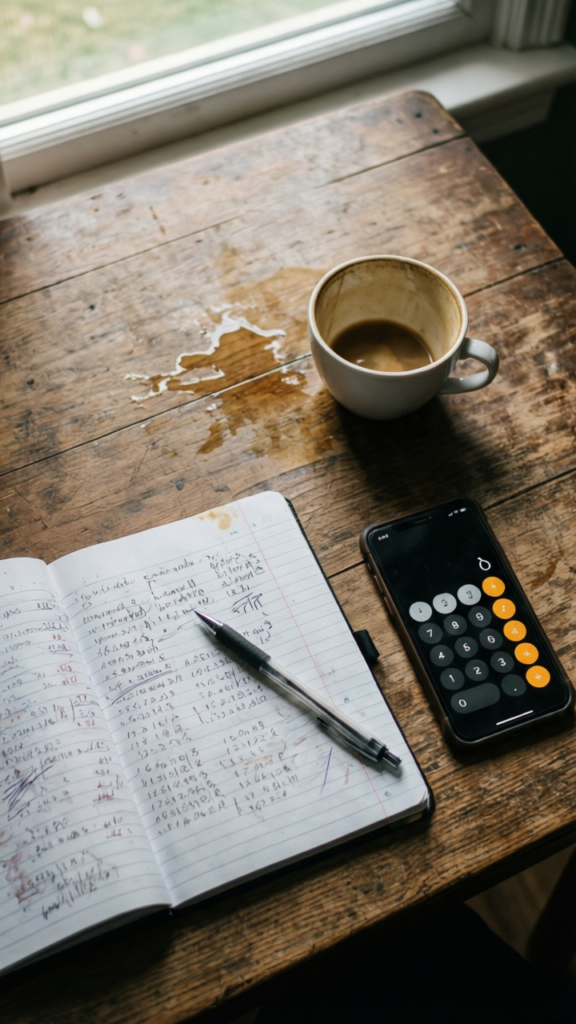
I used to avoid looking at my spending. It felt like stepping on a scale after a holiday. But once I tracked it for a week, patterns showed up fast.
You do not need fancy tools. Just write it down or use an app. The goal is awareness, not perfection.
I still buy coffee. I just do not buy it five times a day. Sounds obvious, but small habits sneak up on you.
Pick your favorite treat and keep it. Cut the extras you do not even enjoy that much.
If I want something random online, I wait a day. Most of the time, I forget about it.
If I still want it after 24 hours, it probably matters. If not, I just saved money without trying.

Walking into a store without a list is like going grocery shopping hungry. You will lose.
Make a list. Follow it. Do not improvise unless it is really needed.
I am not a chef. I do not have time for fancy meals every day. But cooking at home saves a lot.
Stick to easy recipes. Rotate meals. Keep ingredients basic.
Simple routines beat complicated plans when it comes to saving money.
This one hurts a little. I once found three subscriptions I did not even remember signing up for.
Check your bank statement. Cancel what you do not use. It is quick money back.
For me, it was snacks and random shopping. Cards make it too easy.
Using cash adds a small pause. That pause matters more than you think.
Cheap items break. Then you buy them again. And again.
Spend more on things you use often. Shoes, kitchen tools, work items. It saves money long term.

Fun does not have to be expensive. Some of my best days were simple.
Try these:
It is not about cutting joy. It is about redefining it.
This one took me a while to admit. Shopping felt like a break. A reward.
But it adds up fast. Now I look for other ways to reset. A walk, a call with a friend, even just sitting quietly for ten minutes.
Monthly budgets feel too far away. Weekly limits are easier to follow.
Break your money into smaller chunks. It feels more manageable.
I used to rush big buys just to get it over with. Not smart.
Take a little time. Compare options. Look for deals. You do not need to be extreme about it.
Not sure if something is worth it
This tool shows the real trade-off behind every choice
WHAT YOU’LL SEE
WHY USE IT
BEST TIME TO USE
Sounds basic, but it works. Check your kitchen before buying groceries. Check your closet before buying clothes.
You probably have more than you think. FYI, I found three unopened shampoo bottles once. Not proud 🙂
Using what you already own is one of the easiest ways to save without changing your lifestyle.
Set up automatic transfers to your savings account. Even a small amount helps.
You will not miss what you do not see.
Saving for a house sounds great. But it can feel overwhelming.
Start smaller. Emergency fund. A short trip. Something you can actually reach.
Once I started talking about money with my husband, things got easier.
We stopped guessing. We made plans together. Less stress, more clarity.
You do not need to cut rewards. Just make them smarter.
Instead of buying something expensive, try:
It still feels good. Just without the regret.

Some weeks go off track. Bills pop up. You overspend. It happens.
Do not quit just because one week was messy. Adjust and move on. IMO, consistency matters more than perfection.
Saving money is not about being perfect. It is about staying consistent even when things slip.
These 18 ways to save money without giving up what you love are not about cutting everything fun. They are about making smarter choices that fit real life.
You keep your coffee. You keep your small joys. You just stop letting money slip away without noticing.
It is not a strict system. It is a flexible approach that grows with you.
In the end, saving money should feel like gaining control, not losing freedom. If you can keep what matters and still build stability, that is a win worth holding onto.