Physical Address
304 North Cardinal St.
Dorchester Center, MA 02124
Physical Address
304 North Cardinal St.
Dorchester Center, MA 02124


A practical and relatable guide to money-saving challenges that help you cut spending habits and grow your savings faster without feeling overwhelmed.
The account balance looks fine at the start of the month. Then a few takeout orders, a couple of small online buys, and somehow it drops faster than expected. You sit there thinking how did that even happen.
It is rarely one big mistake. It is a bunch of tiny habits that quietly add up.
That is why I like challenges. They turn saving money into something active instead of something you keep postponing. If you need a reset, these 15 money saving challenges to boost your savings fast can actually make a difference without feeling miserable.

Saving money sounds simple, but staying consistent is the hard part.
Challenges help because they:
When I first tried one, I expected it to feel restrictive. It did not. It actually made me more aware of my spending without overthinking every decision.
Takeaway: Challenges work because they give your brain a clear target and a timeline.

You pick a time frame and spend only on essentials.
I tried this for a week and immediately noticed how often I spent out of habit.
Takeaway: This challenge resets your spending habits fast.
You save money every week, increasing the amount gradually.
It feels slow at first, then builds momentum.
Takeaway: Small consistent increases lead to big results over time.
Every time you have loose change, you save it.
Or round up your purchases and save the difference.
It sounds minor, but it adds up surprisingly fast.
Takeaway: Tiny amounts still move you forward.
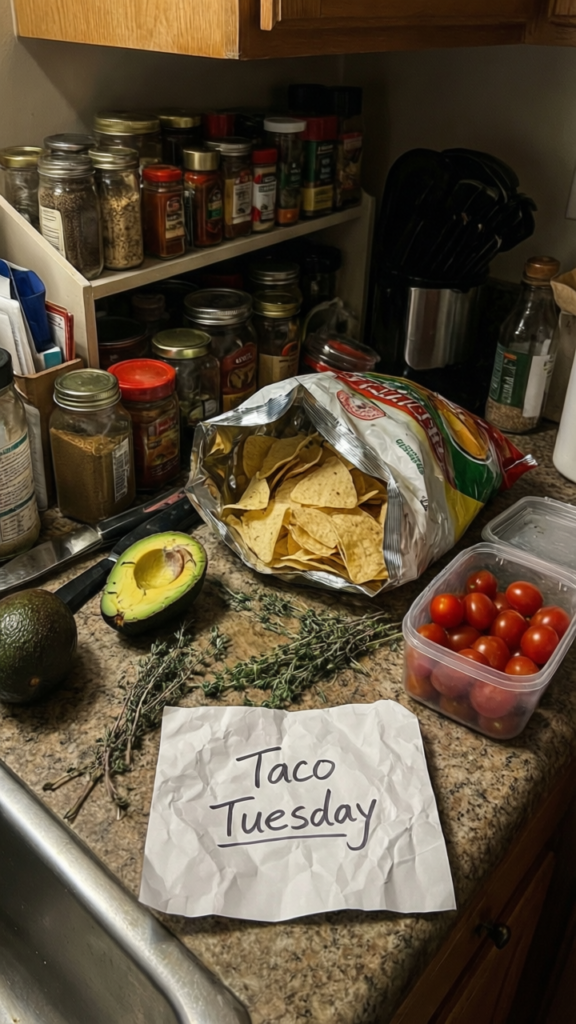
You stop buying groceries and use what you already have.
Meals get creative real quick.
I once made three different dinners from random leftovers. It worked better than expected 🙂
Takeaway: You probably have more food at home than you think.
Before buying anything non-essential, wait 30 days.
Most of the time, you will forget about it.
If you still want it later, you can buy it without guilt.
Takeaway: Time filters out impulse spending.
Use only cash for daily spending.
Once the cash is gone, you stop.
It feels very real when you see money leaving your hands.
Takeaway: Physical limits help control overspending.
Cook all your meals at home for a set period.
Start small if needed:
This one saved us a noticeable amount.
Takeaway: Food spending is one of the easiest areas to cut.
Set a fixed amount to save every week.
It does not need to be huge.
The key is consistency.
Takeaway: Regular habits build strong savings over time.

Go through your home and sell unused items.
It clears space and brings in extra cash.
We did this once and funded part of a family trip.
Takeaway: Your unused items can become savings.
Cancel all non-essential subscriptions for a month.
If you truly miss something, you can add it back.
Spoiler. You probably will not.
Takeaway: Subscriptions drain money quietly.

Label envelopes from 1 to 100.
Each day or week, pick one and save that amount.
It turns saving into a small game.
Takeaway: Gamifying saving keeps you motivated.
Wear what you already own for a set period.
Mix and match, get creative.
It sounds simple, but it changes how you view shopping.
Takeaway: You do not need new clothes as often as you think.
Focus on lowering your utility bills.
Small habits can lower monthly costs.
Takeaway: Awareness leads to lower bills.
Set a short-term goal to earn extra money.
Even a little extra income boosts your savings.
Takeaway: Increasing income can be just as powerful as cutting expenses.
Pick a clear savings goal and a deadline.
Focus all extra money on reaching it.
This creates urgency and motivation.
We used this before a big expense and hit our target faster than expected :/
Takeaway: Clear goals speed up your progress.
Not every challenge fits every lifestyle.
Think about:
If you love structure, try the 52 week challenge. If you overspend on food, try the no eating out challenge.
Start with one or two. Do not try all fifteen at once.
Takeaway: The best challenge is the one you can realistically stick to.
Starting with a strict challenge can lead to burnout.
Ease into it.
You will mess up. That is normal.
Keep going instead of starting over.
Pick challenges that fit your daily routine.
Otherwise, they will not last.
Takeaway: Consistency matters more than intensity.
Some challenges worked better than others.
The no spend challenge gave me awareness. The pantry challenge saved money fast. The subscription cancel challenge felt like free money.
The biggest shift was mental. I stopped seeing saving as something boring. It became something I actively worked on.
These 15 money saving challenges to boost your savings fast are not about doing everything perfectly. They are about building momentum.
Start small. Pick one challenge. See how it feels.
Saving money gets easier when you turn it into action instead of intention.
And next time your account balance drops unexpectedly, you might already have a plan to handle it 🙂