Physical Address
304 North Cardinal St.
Dorchester Center, MA 02124
Physical Address
304 North Cardinal St.
Dorchester Center, MA 02124


Mid-year is not where you fall behind, it is where you quietly reset your money habits and start building something that actually lasts.
You check your bank app halfway through the year and feel that quiet drop in your stomach. Not panic. Not shock. Just that dull thought that things should look better by now.
Bills got paid. Life moved on. But the goals you set in January feel… distant. Like they belong to someone who had more energy and fewer unexpected expenses.
I have been there more than once. Running a business, raising a kid, juggling real life, not the tidy version people post online. Mid-year used to feel like proof I failed. Now I treat it as a reset point. Cleaner. More honest. Less pressure.
If you want long-term results, this is actually the best time to fix your habits.

January is full of big plans. July is where reality shows up.
You already know your spending patterns. You see what worked and what quietly fell apart. That makes your next move smarter.
Instead of chasing perfect systems, you build habits that survive real life.
Takeaway: Mid-year is not behind schedule. It is your second chance with better data.

Monthly tracking sounds responsible. It also hides problems for too long.
I switched to checking my numbers every Sunday night. It takes ten minutes. That small habit changed everything.
You notice overspending faster. You adjust sooner. You stop that end-of-month regret spiral.
Try this:
Takeaway: Frequency beats intensity when it comes to money habits.
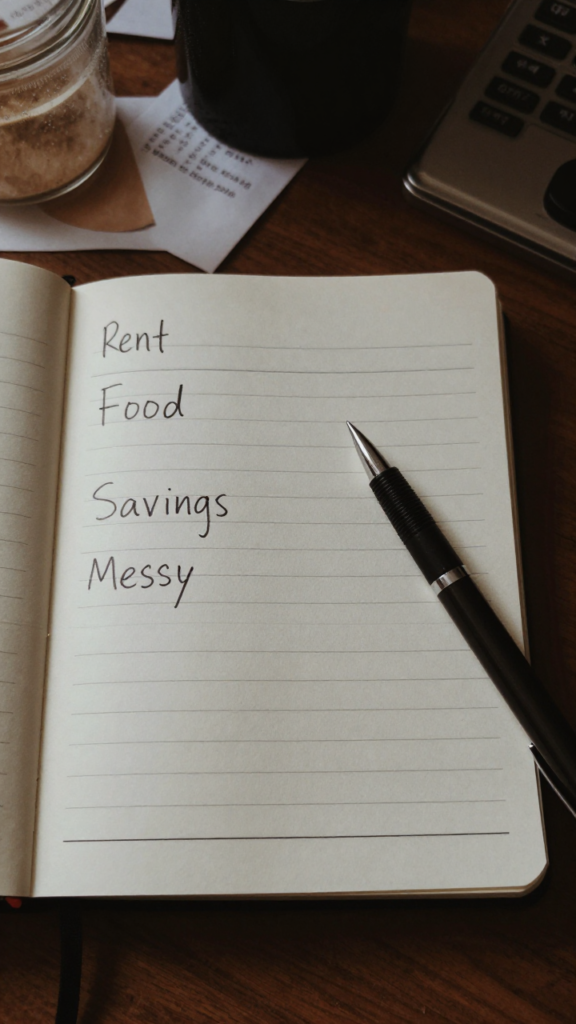
Most budgets fail because they try to be perfect.
Instead, create a simple version that only covers:
Everything else is flexible.
When my daughter needed unexpected school stuff, I stopped feeling like I broke the plan. Because the plan had room to breathe.
Takeaway: A simple budget you follow beats a perfect one you ignore.
Automation sounds boring. It is also one of the smartest moves you can make.
Start small:
I automated my savings years ago because I knew I would forget or talk myself out of it.
Guess what. I still would.
Takeaway: If it happens automatically, it actually happens.
January goals feel far away. Mid-year goals feel urgent.
Pick one:
Keep it realistic. Not impressive.
You want a win before December, not another unfinished plan.
Takeaway: Short-term focus builds long-term consistency.

Not ten things. Not a full audit.
Just one.
For me, it was a subscription I forgot about. It was not expensive. But it added up.
We often overthink saving money. You do not need a full life reset.
Try this:
Takeaway: Small cuts are easier to stick with and still make a difference.
This sounds backward. But it works.
When you do not plan for fun spending, you overspend anyway.
Create a small monthly amount just for:
I call this my guilt-free account. It keeps me sane and stops me from blowing my budget later.
Takeaway: Planning for fun keeps your budget realistic.
Mid-year is the best time to ask a simple question.
Is your income growing or just staying the same?
As a freelancer and business owner, I check:
Sometimes the problem is not spending. It is income.
Takeaway: You can only cut so much. Growth matters too.
If you do not have one yet, start small.
Forget the big numbers you see online.
Aim for:
When something goes wrong, and it will, this fund protects your peace.
I learned this the hard way after a sudden expense hit during a slow work month. Not fun.
Takeaway: Even a small emergency fund changes how you handle stress.
Avoiding debt does not make it smaller.
Sit down and list:
No drama. Just facts.
Then choose one method:
Pick one and stick with it.
Takeaway: Clarity reduces anxiety. Action reduces debt.
If your balances feel stuck and motivation is low, a simple system can change everything. The debt snowball method helps you build quick wins and real momentum without overthinking it.
Strict rules fail fast.
Flexible rules last longer.
For example:
I use the 24-hour rule a lot. Half the time, I forget about the thing anyway 🙂
Takeaway: Gentle rules guide behavior without feeling restrictive.
Saving money feels boring without a reason.
Write down why you want to improve your finances:
I keep mine simple. Stability for my daughter. That is enough.
On hard days, this list matters more than any spreadsheet.
Takeaway: Your reason keeps you consistent when motivation fades.

Not daily. Not randomly.
Once a month, sit down and check:
Do not judge yourself. Just observe.
You are not grading yourself. You are learning.
Takeaway: Progress review keeps you aware without burnout.
Financial confidence grows with knowledge.
Pick one small topic:
You do not need to master everything at once.
Just stay curious. Little by little.
Takeaway: Knowledge compounds just like money does.
This one feels uncomfortable at first.
But talking about money with your partner or even a trusted friend changes things.
In my marriage, we started having simple money check-ins. Nothing formal.
Just honest conversations.
It reduced stress more than any app ever did.
Takeaway: Communication builds clarity and trust.
You will mess up.
You will overspend some weeks. You will skip tracking. Life will interrupt your plans.
That does not mean you failed.
It means you are human. And honestly, that is the only way this works long term.
I stopped aiming for perfect months. I aim for better patterns.
Takeaway: Consistency over perfection always wins. FYI, perfect systems usually break first.
Each habit seems small on its own.
But together, they create a system that supports you:
You do not need all 15 at once.
Start with three. Build slowly. Adjust when life shifts.
Takeaway: Financial habits are not about intensity. They are about rhythm.
Mid-year used to feel like a checkpoint I failed.
Now it feels like a quiet reset. Less pressure. More honesty.
If things did not go as planned, good. Now you see what needs to change.
Pick a few habits from this list. Start small. Stay consistent.
And when you check your finances later this year, you will not feel that same drop in your stomach. You will feel something better.
Control. Or at least, a little more of it.
I also put together a guide on a mid-year financial checkup for married couples with a full checklist, take a look when you get a chance.