Physical Address
304 North Cardinal St.
Dorchester Center, MA 02124
Physical Address
304 North Cardinal St.
Dorchester Center, MA 02124


Managing money gets easier when you stop guessing and start following a simple system that actually fits your real life.
The grocery total flashes on the screen and it’s way higher than expected. You stand there for a second, debating what to put back, already knowing you’ll probably just swipe your card and deal with it later.
That quiet “I’ll fix it later” moment? Most of us have been there.
Managing money isn’t about being bad with numbers. It’s about not having a system that actually works in real life. Once I became a mom, that hit me hard. Money stopped being abstract and started being very real, very fast.
If you want to feel in control instead of slightly panicked every time you check your balance, these 10 Simple Steps on How to Manage Money Like a Pro will help you build a system that actually sticks.

Before we get into steps, let’s be honest.
Most people don’t fail because they’re careless. They fail because:
I used to think I just needed more discipline. Turns out, I needed fewer decisions and a better setup.
Takeaway: Money problems usually come from lack of structure, not lack of effort.
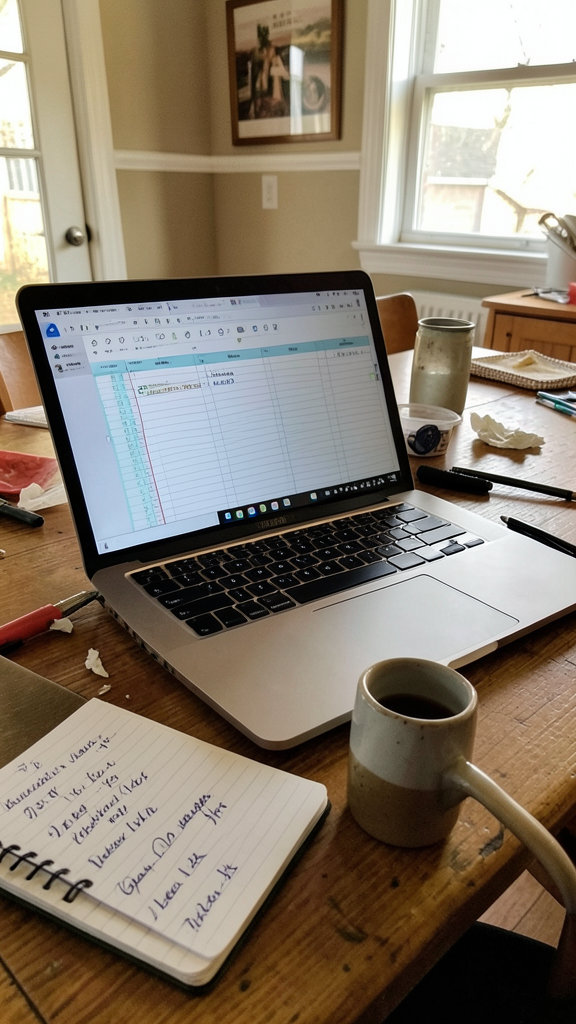
You can’t manage what you don’t see.
Start with the basics:
Write it all down. Yes, even the small stuff. Especially the small stuff.
When I first did this, I realized we were spending way more on “random” things than actual bills. Not proud, but also not surprised 🙂
Takeaway: Clarity beats guessing every single time.
Complicated budgets look impressive. They also get ignored.
Keep it simple:
That’s it. You don’t need 25 categories unless you enjoy spreadsheets for fun.
I keep mine basic because I know myself. If it takes more than a few minutes to update, I won’t do it.
Takeaway: The best budget is the one you can stick with consistently.
Saving money “just because” doesn’t work for long.
You need goals that feel real:
When we started saving for a trip, everything changed. Suddenly skipping takeout felt like a choice, not a sacrifice.
Takeaway: Specific goals make saving feel meaningful, not restrictive.

This is where most people fall off.
Tracking doesn’t mean obsessing. It means staying aware.
Do it in a way that fits your life:
I prefer quick daily tracking because it stops small leaks before they turn into big problems.
Yes, it’s annoying sometimes. But so is being broke :/
Takeaway: Small, consistent tracking prevents big financial surprises.
Before investing, before upgrading anything, build a safety net.
Aim for:
Life will throw something at you. It always does.
When our daughter got sick during a busy month, having that buffer meant we didn’t panic. That alone was worth every saved dollar.
Takeaway: An emergency fund turns chaos into inconvenience.
Relying on memory is risky. Relying on systems is smart.
Set up:
Once it’s automated, you don’t have to think about it.
Less thinking means fewer chances to “accidentally” spend that money.
Takeaway: Automation removes temptation and builds consistency.
Not all spending is bad. Some spending just doesn’t matter.
Look for:
I once canceled a few small subscriptions and barely noticed. My bank account noticed immediately.
Keep what you love. Cut what you don’t.
Takeaway: Spend on what matters, cut what doesn’t. Simple.

This one catches people off guard.
Things like:
They’re predictable, but we still act surprised every time.
Now I set aside a small amount monthly for these. It makes those “big” expenses feel normal.
FYI, this alone reduced a lot of stress in our household.
Takeaway: If it happens every year, it’s not unexpected. Plan for it.
There’s only so much you can cut.
At some point, you need to earn more.
Options include:
As a freelancer, this changed everything for me. Even a small income boost can create breathing room.
Don’t just focus on saving pennies. Also look for ways to earn more dollars.
Takeaway: Growing your income speeds up everything.
Your budget is not a one-time setup.
Life changes. Your system should too.
Each month, check:
Some months are messy. That’s normal.
The goal is progress, not perfection.
IMO, this step is what separates people who try from people who actually improve.
Takeaway: Regular review keeps your system realistic and effective.

Each step is helpful on its own. Together, they create a system that runs smoothly.
Here’s the flow:
It becomes routine. Not exciting, but very effective.
And honestly, boring money management is a good thing.
You will mess up sometimes.
You’ll overspend one weekend. You’ll forget to track for a few days. You might even ignore your own rules occasionally.
That doesn’t mean the system failed. It means you’re human.
The difference now is you have a structure to come back to.
Learning Simple Steps on How to Manage Money isn’t about being perfect. It’s about being intentional.
When you understand where your money goes and why, everything feels lighter. Decisions become easier. Stress goes down.
You stop reacting and start planning.
So start small. Pick one step and implement it this week.
Because the moment you take control of your money, your money stops controlling you.
If you want to make managing money feel easier and more intentional, check out my ideas for practical budget planners and smart financial goals for digital nomad couples to stay on track wherever life takes you.