Physical Address
304 North Cardinal St.
Dorchester Center, MA 02124
Physical Address
304 North Cardinal St.
Dorchester Center, MA 02124


A relatable guide full of inspiring pay off debt aesthetic ideas that make budgeting, tracking goals, and staying motivated feel calmer, cozier, and more sustainable during real everyday life.
The sticky note budget sheet kept falling off the fridge while I stood there stress-eating crackers at 10 p.m. and pretending not to notice the credit card balance notification on my phone.
That season of life felt so emotionally heavy. Bills everywhere. Random grocery receipts in my purse. Financial goals scribbled onto the back of school papers because apparently that became my organization system. Meanwhile social media kept showing spotless minimalist homes where everybody seemed financially peaceful and suspiciously hydrated.
At some point, I realized something small but important.
If I was going to spend months or years paying off debt, I wanted the process to feel motivating instead of depressing.
That is where creating a pay off debt aesthetic genuinely helped me. Not because aesthetics magically erase debt. But because visual environments affect mood, motivation, and habits way more than people admit.
And honestly, colorful debt trackers feel better than staring at scary banking apps all day 🙂
Here are 14 inspiring ideas for a pay off debt aesthetic that can make your financial journey feel calmer, more personal, and weirdly motivating.

Some people hear aesthetic and immediately think expensive Pinterest nonsense.
But a pay off debt aesthetic is really about creating an environment that supports your goals.
When your financial systems feel visually appealing and emotionally encouraging, you are more likely to:
Little visual details matter during long financial journeys.
Especially when motivation disappears halfway through a stressful grocery trip.
Takeaway: A supportive visual environment can make debt payoff feel less emotionally draining.
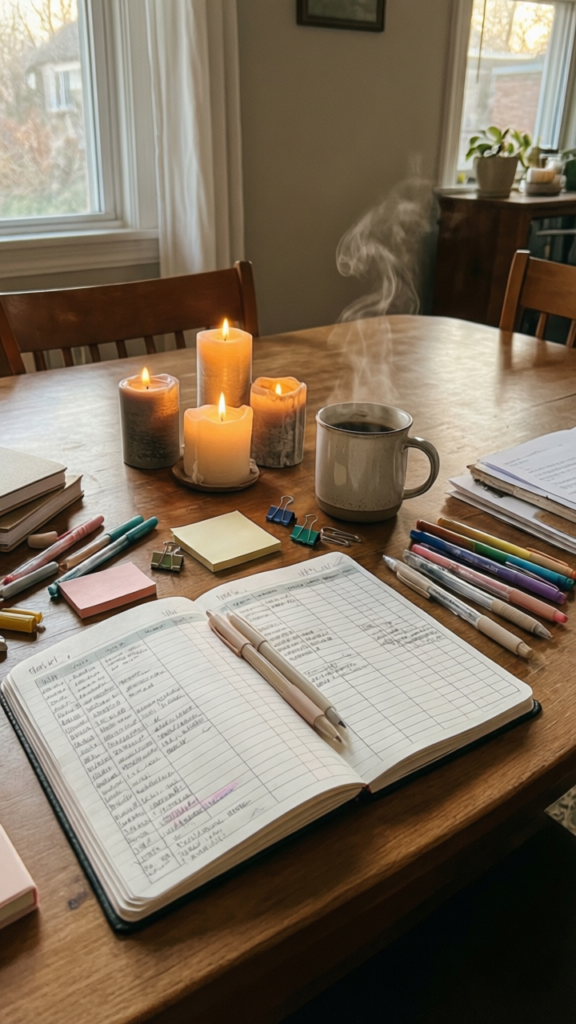
You do not need an entire home office.
Just create one small space dedicated to budgeting and financial planning.
Mine was literally one corner of our dining table with:
Nothing fancy. Just intentional.
That tiny space helped budgeting feel less chaotic and more grounded.
Bright aggressive budgeting templates stressed me out honestly.
I started using softer colors like:
Suddenly debt tracking felt calmer instead of emotionally violent.
Your brain reacts to visual clutter more than you realize.
A calmer environment helps reduce financial overwhelm.
This sounds cheesy until you try it.
Visual progress works.
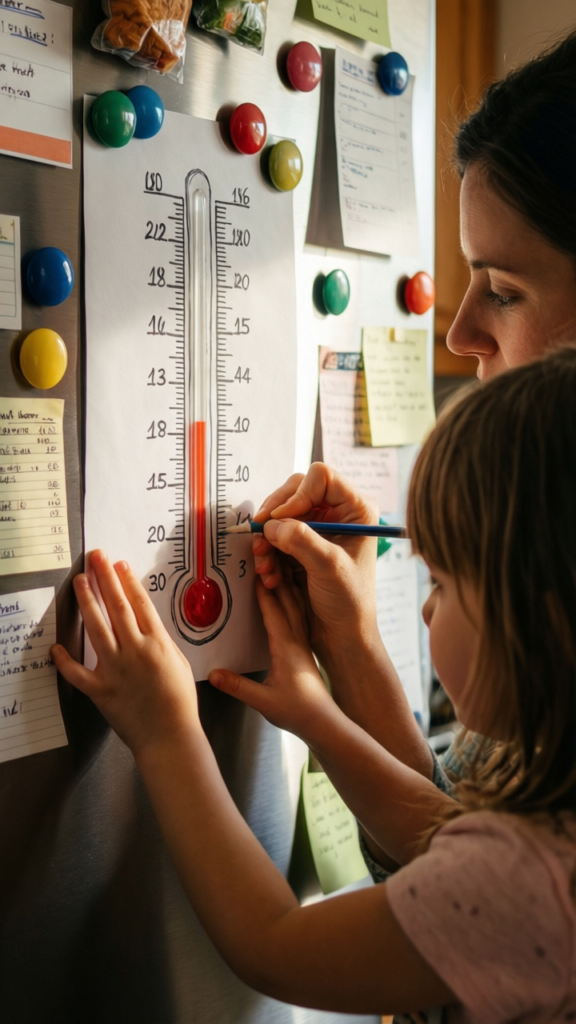
Create a debt thermometer using:
Coloring sections every time you pay off debt feels ridiculously satisfying.
My daughter loved helping fill ours in, which somehow turned debt payoff into a weird family art project FYI.
Takeaway: Visual progress keeps motivation alive during slow seasons.
A pay off debt aesthetic should include reminders of why you started.
Not luxury fantasy goals. Real emotional goals.
I added photos representing:
Debt freedom often looks quieter than people expect.
Sometimes it simply means opening your banking app without immediate emotional damage :/
Apps are useful. But handwritten goals feel more personal sometimes.
I kept sticky notes with reminders like:
Simple words help during discouraging weeks.
There is something grounding about physically writing financial goals instead of endlessly tapping screens.
This became one of my favorite habits.
At the start of every month:
It turned financial planning into a routine instead of a punishment.
Which honestly made me less avoidant about money overall.
Tiny routines matter more than giant motivational speeches.
Hidden goals lose power quickly.
Keep your debt payoff reminders visible:
Not in an aggressive shame-based way.
Just gentle reminders that your current choices connect to future freedom.
One sticky note on my mirror simply said:
Less debt equals more breathing room.
That sentence carried me through many unnecessary online shopping temptations.
Listen. This is not financially necessary.
But matching notebooks, pens, and folders weirdly motivated me to stay organized.
Sometimes adult responsibility becomes slightly easier when the supplies look cute.
Affordable ideas:
No need to spend a fortune creating a pay off debt aesthetic. That would obviously defeat the purpose.
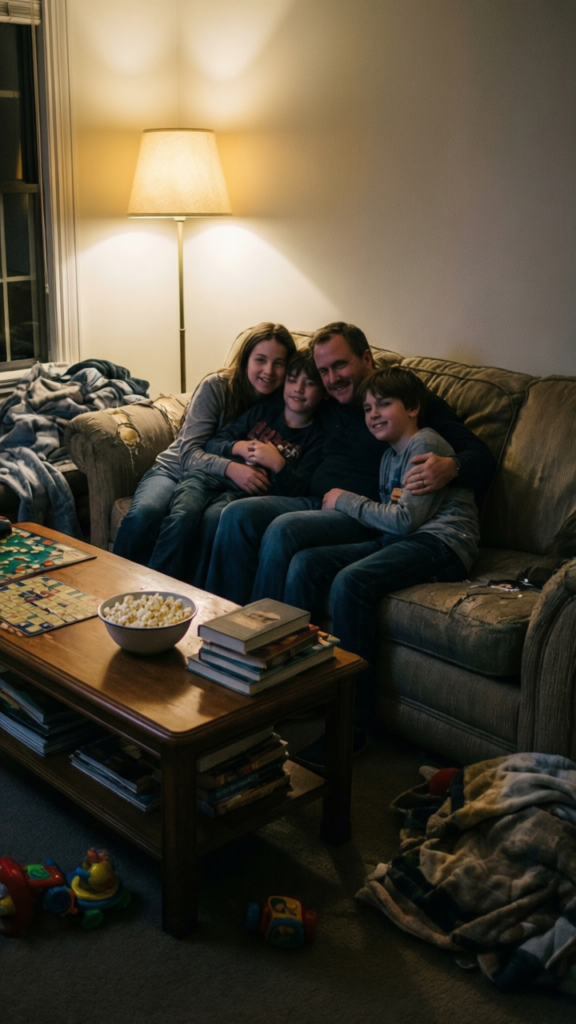
Debt payoff often requires spending less.
But spending less does not need to feel miserable.
I started appreciating:
Social media makes expensive lifestyles look normal.
Real life feels much calmer once you stop treating simplicity like failure.
Takeaway: A peaceful simple life often supports debt freedom better than constant consumption.
Digital progress can feel abstract.
Printed trackers make progress feel real.
Ideas include:
Watching balances shrink visually creates emotional momentum.
And honestly, crossing things off with markers feels dramatically satisfying.
Financial clutter increases stress fast.
Random receipts. Unopened mail. Forgotten subscriptions. Loose papers hiding everywhere like tiny anxiety traps.
Create one organized system for:
Your home feels calmer when financial chaos stops spreading across every surface.

Your phone probably influences spending more than anything else.
I changed:
One wallpaper simply said:
Spend according to your priorities.
Surprisingly effective during late-night scrolling.
Tiny digital habits shape spending behavior constantly.
Every paid-off balance deserves acknowledgment.
Not giant expensive rewards. Just visible celebration.
Ideas:
My family celebrated one paid-off credit card with homemade brownies and a movie night. Cheap. Cozy. Memorable 🙂
Those little moments matter emotionally.
This one matters most.
A pay off debt aesthetic should not make you feel inadequate.
Your budgeting corner does not need:
Mine regularly included snack crumbs, wrinkled receipts, and children’s stickers stuck onto important paperwork.
Real life looked messy sometimes.
But honestly, financial progress inside an imperfect home still counts.
Takeaway: Your debt payoff journey does not need perfection to be meaningful or successful.
A few things can accidentally turn motivation into pressure.
Please do not spend hundreds creating a budgeting setup.
Many online financial spaces feel overly polished.
Real debt payoff usually looks much messier.
Cute supplies help motivation. Consistent habits create results.
Both matter. One matters more.
Debt payoff takes time. Sometimes longer than expected.
That is why creating a supportive environment matters so much.
A good pay off debt aesthetic helps your financial goals feel calmer, more personal, and less emotionally exhausting during hard seasons. It turns budgeting from something you avoid into something that feels manageable.
Not glamorous. Not perfect. Just sustainable.
Because at the end of the day, financial freedom is not really about creating a beautiful planner setup or color-coded trackers.
It is about creating a life where money stress stops sitting quietly in the background of every normal moment.