Physical Address
304 North Cardinal St.
Dorchester Center, MA 02124
Physical Address
304 North Cardinal St.
Dorchester Center, MA 02124


A practical, no-pressure guide to using simple budgeting habits to pay off debt faster without feeling overwhelmed or stuck.
The number sits there on your screen, not changing much no matter how many payments you make. You pay, you try to be careful, and still it feels like you are running in place. Progress is slow, and honestly, it gets discouraging.
That feeling is more common than people admit. Debt is not just about money. It is stress, pressure, and that constant voice in your head doing math at random times.
I went through a phase where I thought I needed a perfect plan to fix it. Turns out, what I really needed was a simple system I could actually follow.

Debt does not go away on its own. It needs direction.
A budget is not about restriction. It is about telling your money where to go instead of guessing every week.
Once I started doing that, even in a basic way, things began to shift.
A clear budget gives your money purpose and speeds up debt payoff.
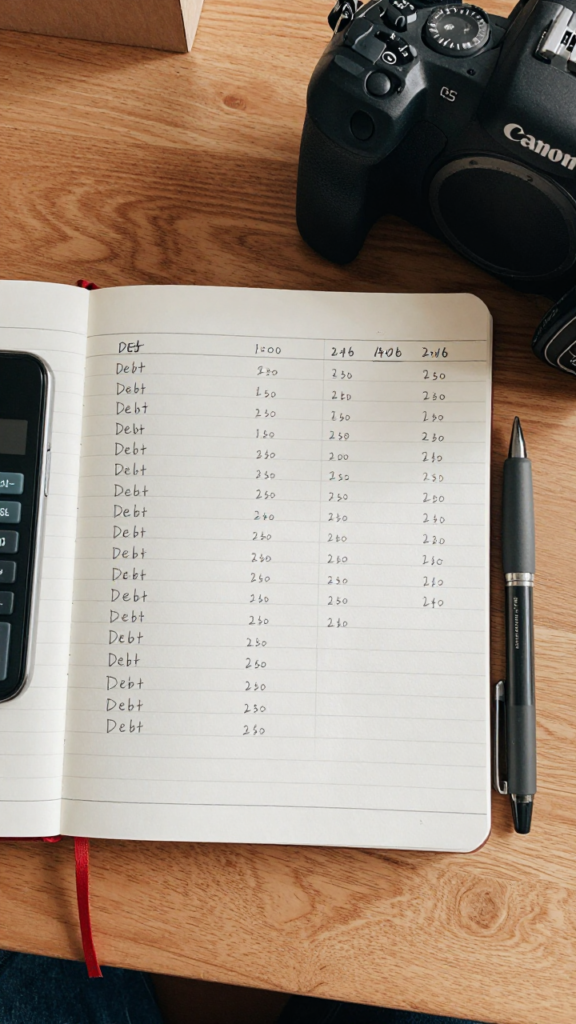
Avoiding the numbers makes everything worse.
List everything:
It might feel uncomfortable, but clarity removes guesswork.
Trying to tackle everything at once spreads you thin.
Pick one target. Put extra money toward it while paying minimums on the rest.
Small wins build momentum faster than scattered effort.

Monthly plans feel too far away.
Weekly planning keeps you focused and aware.
Break your budget into smaller chunks so you can adjust quickly.
Not everything deserves your money.
Look at your spending and ask:
Cut what does not matter and redirect that money.
Redirecting small expenses can make a big impact on debt repayment.
It sounds strange when you are in debt, but a small buffer matters.
Without it, every unexpected expense pushes you back into more debt.
Even a small cushion helps you stay on track.

This one is obvious but not easy.
Pause credit card use if possible. Switch to cash or debit.
You cannot move forward if you keep adding weight.
You do not need complex tracking.
Focus on main categories:
Keep it simple so you actually stick with it.
Extra income, small savings, random cash. Use it.
Even small extra payments reduce interest over time.
It may not feel big, but it adds up.
Late fees slow you down.
Set automatic payments for at least the minimum.
It keeps your progress steady and stress lower.
Automation protects your progress even when life gets busy.
Birthdays, repairs, school costs. They always show up.
Set aside a small amount regularly so they do not derail your plan.
Planning ahead keeps your debt payoff on track.
Debt is not just numbers. It is behavior.
Work on habits like:
FYI, this matters more than any budget tool.

Paid off one debt. Reduced your balance. Stayed on plan for a month.
Acknowledge it.
It keeps you motivated when progress feels slow.
There is no instant fix.
Some months will feel slow. Some weeks will go off track.
IMO, consistency matters more than speed.
Steady effort over time is what actually gets you out of debt.
Budgeting while dealing with debt can feel heavy.
What helped me was lowering the pressure. I stopped trying to do everything perfectly.
Instead, I focused on doing a few things consistently. That shift made it easier to keep going 🙂
You do not need a perfect system. You need one that fits your life.
These budgeting tips to help you get out of debt faster are built for real situations. Busy days, unexpected expenses, and imperfect habits.
Start small. Pick one or two tips and apply them this week.
Track your progress. Adjust when needed. Keep moving forward.
Debt takes time to clear, but it does not stay forever if you stay consistent.
And once you start seeing progress, even small progress, it changes how you feel about money completely.