Physical Address
304 North Cardinal St.
Dorchester Center, MA 02124
Physical Address
304 North Cardinal St.
Dorchester Center, MA 02124


A practical, no-fluff guide to help you save money fast on a tight budget using simple habits that actually make a real difference.
The bill is due tomorrow. Your bank balance looks… disrespectful. You open your app, close it, open it again like it might change its mind. It doesn’t.
That tight feeling in your chest is familiar. You’re not careless. You’re just trying to stretch not-enough money across too many things. And when people say just budget better, it sounds nice but not very helpful when you need results now.
So let’s talk about 12 smart ways to save money fast on a tight budget. Real stuff. No complicated systems. Just things that actually move the needle.

Before the fixes, let’s call it out. Saving money is hard because most advice ignores reality.
You still have bills. You still need food. You still want a tiny bit of joy in your life. Cutting everything isn’t sustainable.
Takeaway: You don’t need extreme changes. You need smart, fast adjustments.

When money is tight, speed matters.
Look at your expenses and pick one thing you can cut today. Not five things. Just one. Maybe it’s a subscription you forgot about or food delivery.
That one cut creates instant breathing room.
Takeaway: One fast cut is better than ten delayed decisions.
Yes, this sounds dramatic. It kind of is.
For one week, you only spend on essentials. No extras. No impulse buys. No browsing just for fun because we all know where that leads 🙂
It resets your habits quickly.
Takeaway: A short spending pause creates instant savings and awareness.
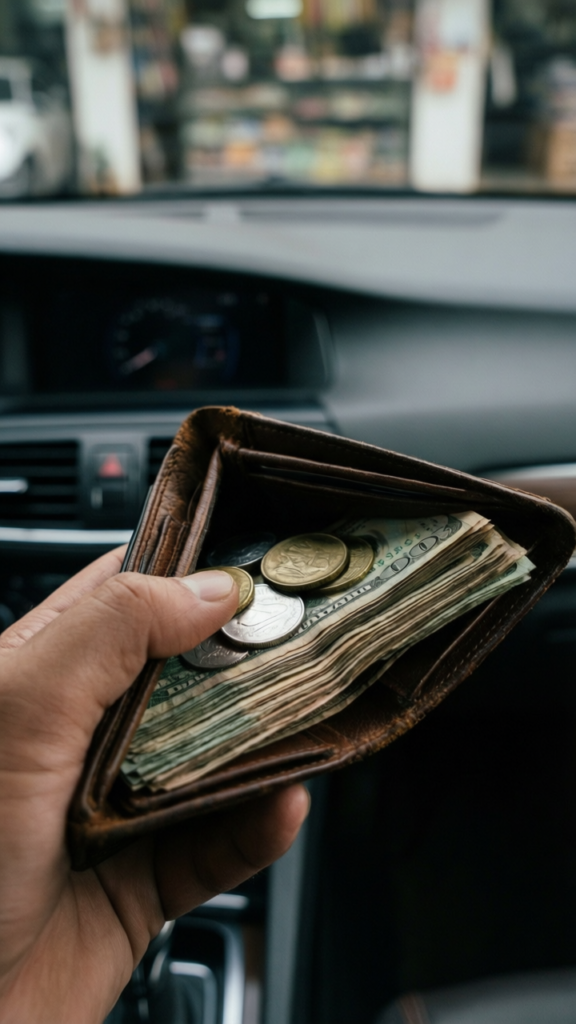
Cards make spending feel invisible.
Withdraw a fixed amount for the week. Use that for food, small purchases, and random stuff.
When the cash is gone, you stop. No debate.
Takeaway: Cash creates natural limits without mental gymnastics.
Subscriptions sneak in quietly and stay forever.
Streaming, apps, memberships. Go through your bank statement and cancel anything you don’t use weekly.
You’ll probably find more than you expected. FYI, most people do.
Takeaway: Hidden expenses are the easiest money to recover.
Your kitchen is not empty. It just looks uninspiring.
Before buying groceries, build meals from what you already have. Get creative or keep it simple. Nobody is judging your random pasta combination.
This cuts grocery spending fast.
Takeaway: Use what you have before buying more.
Call one provider today.
Internet, phone, insurance. Ask for a lower rate or switch plans. It feels awkward, but it works more often than you think.
Even a small reduction adds up every month.
Takeaway: Fixed expenses are powerful because they repeat.
Big budgets feel overwhelming.
Break it down into a daily number. It’s easier to manage and harder to ignore. If your daily limit is small, you think twice before spending.
It keeps you in check in real time.
Takeaway: Daily limits keep your spending grounded.
Look around your home.
There’s something you haven’t touched in months. Clothes, gadgets, random items. List one thing and sell it.
It’s quick cash and less clutter.
Takeaway: Your unused stuff can become instant money.
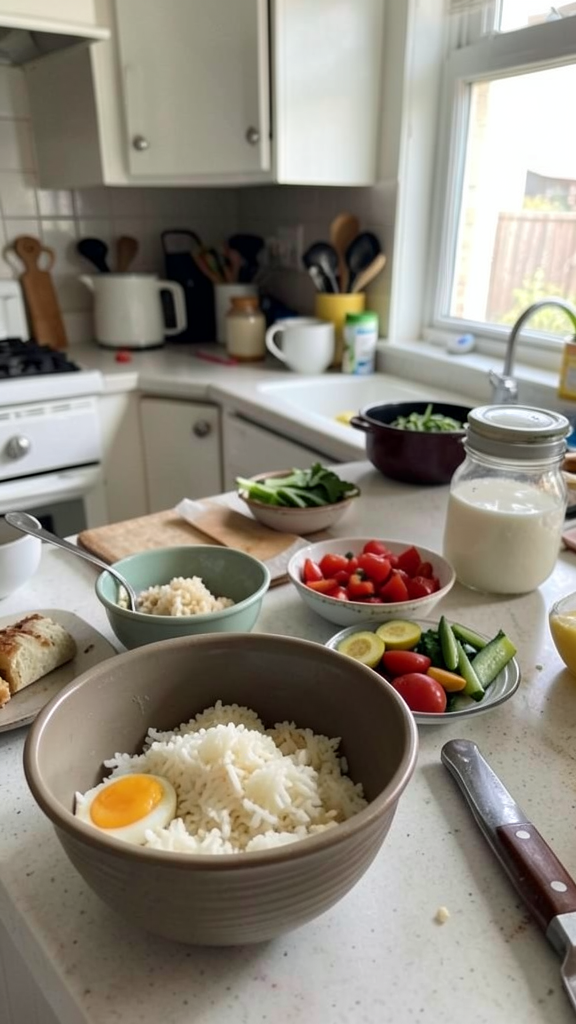
Food is one of the fastest ways to overspend.
Stick to basic meals for a while. Rice, eggs, vegetables, simple proteins. Not fancy, but effective.
Your wallet will feel the difference immediately :/
Takeaway: Simple meals save serious money without much effort.
Convenience is expensive.
Delivery fees, pre-cut food, last-minute purchases. They add up fast because they feel small.
Plan slightly ahead and you avoid paying extra for ease.
Takeaway: Convenience costs are silent budget killers.
Saving feels impossible when money is tight. But even small amounts matter.
Set up an automatic transfer, even if it’s tiny. It builds the habit and gives you a small cushion over time.
Consistency matters more than size.
Takeaway: Small savings still count and build momentum.

This is not forever. Just one week.
Write down every expense. Every coffee, every snack, every random purchase.
You’ll see patterns fast. And some of them might annoy you enough to change.
Takeaway: Awareness leads to better decisions.
Stop guessing how long it will take and get a simple timeline you can actually follow
What this free tool helps you do
None of these tips are extreme. That’s the point.
Cutting one subscription, eating at home, and avoiding convenience costs can free up more money than you expect. It’s not about doing everything perfectly. It’s about stacking small wins.
I’ve had weeks where I thought I had no room to save. Then I actually looked closer. There was always something. Not huge, but enough to shift things.
Takeaway: Small changes compound faster than you think.
You get motivated and try to change your entire financial life overnight.
That rarely works. You burn out fast.
It’s easy to dismiss small purchases.
But they repeat. And that repetition adds up.
Cutting all fun spending makes life feel miserable.
Then you quit and go back to old habits.
Takeaway: Balance keeps you consistent. Extremes don’t.
At one point, money felt constantly tight. Not broke, but never comfortable.
The biggest shift came from small actions. Canceling unused subscriptions. Cooking more. Setting simple limits. Nothing impressive.
But suddenly, there was space. Not a lot, but enough to breathe. Enough to stop stressing over every transaction.
That feeling matters more than hitting some perfect number.
Takeaway: Stability starts with small, repeatable actions.
Saving money fast on a tight budget isn’t about being perfect. It’s about being intentional.
You don’t need a complex system. You need a few smart moves that create immediate impact. Then you repeat them.
Start with one or two tips from this list. Build from there. Keep it simple and realistic.
Next time you check your balance, it won’t feel like a guessing game. You’ll know what’s going on. And that alone changes everything.