Physical Address
304 North Cardinal St.
Dorchester Center, MA 02124
Physical Address
304 North Cardinal St.
Dorchester Center, MA 02124


A beginner-friendly guide to simple budgeting methods that helps you find a realistic system you can actually stick to without feeling overwhelmed.
The numbers look fine at first. Income comes in, bills get paid, and somehow there is still this quiet feeling that money just disappears. You scroll through your bank app and wonder where it all went.
That was me, juggling freelance work, a household, and a kid who somehow outgrows everything overnight. I was not reckless with money. I just did not have a clear system.
If you are starting out, these 12 simple budgeting methods for beginners explained will help you find a style that actually fits your life. Not every method works for everyone, and that is the whole point.

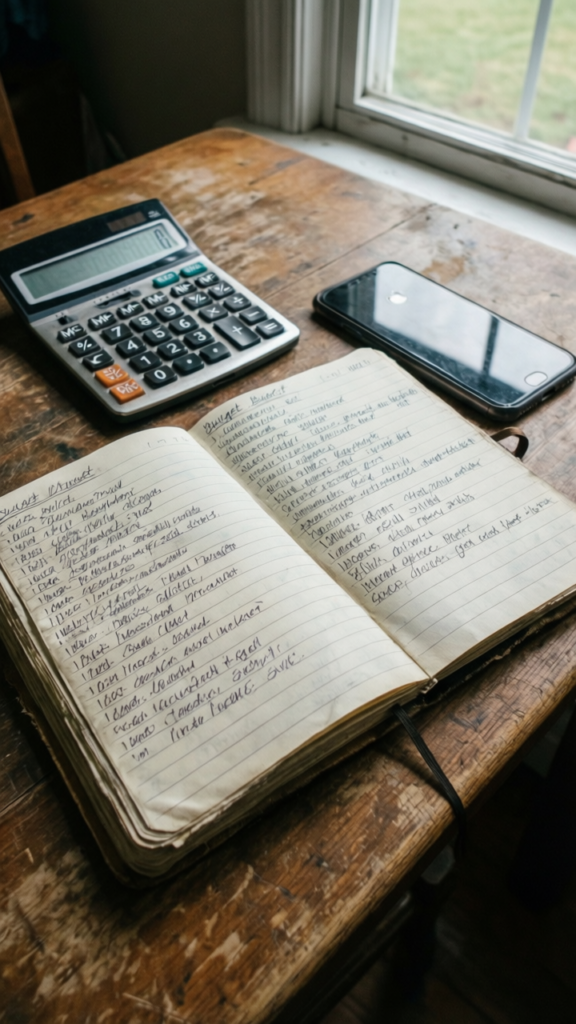
A budget is not just a list of numbers. It is a system that guides your decisions.
When I tried copying someone else’s perfect spreadsheet, I quit in a week. It felt rigid and honestly a bit unrealistic.
What matters is:
Takeaway: The best budgeting method is the one you will actually use.
This is one of the easiest ways to start.
You divide your income into:
It gives you structure without being too strict.
I liked this method when life felt chaotic. It gave me a baseline without overthinking every expense.
Takeaway: Great for beginners who want balance without complexity.
Every dollar has a job. Your income minus expenses equals zero.
You assign money to:
It sounds intense, but it creates clarity.
At first, I resisted this method. Then I realized it helped me stop wondering where my money went 🙂
Takeaway: Ideal if you want full control and awareness.
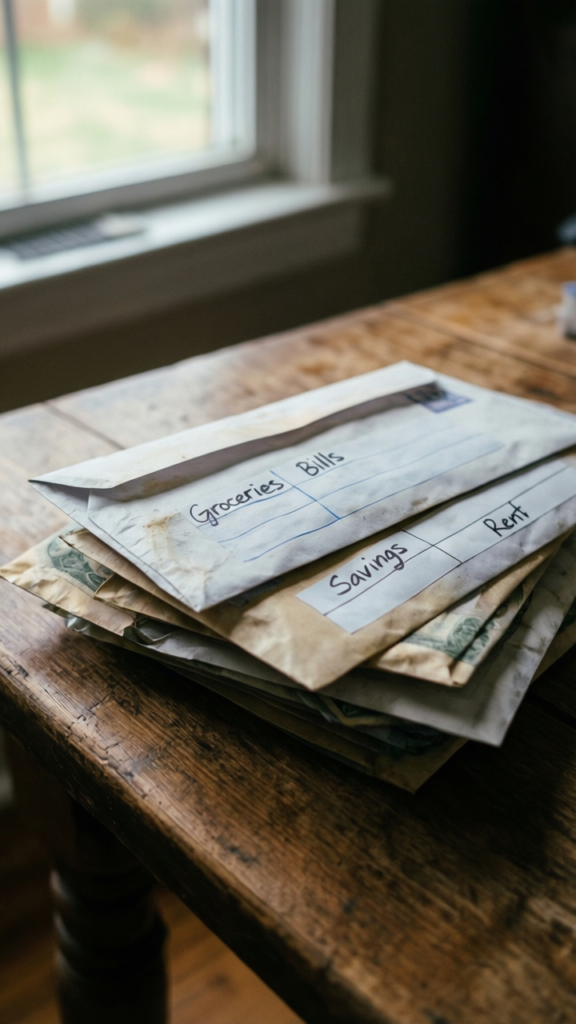
This one is old school but still works.
You use cash and divide it into envelopes for categories like:
When the envelope is empty, you stop spending.
It feels restrictive at first, but it teaches discipline fast.
Takeaway: Best for people who overspend in certain categories.
You save before you spend anything else.
Set aside money for:
Then use the rest for expenses.
This flipped my mindset. Instead of saving what was left, I prioritized saving first.
Takeaway: Saving becomes automatic instead of optional.
You spend 60 percent of your income on essentials.
The remaining 40 percent goes to:
It is a more relaxed version of structured budgeting.
This worked well during busy months when tracking every detail felt exhausting.
Takeaway: A flexible method for people who want structure without pressure.
You list every single expense.
Everything gets tracked.
I tried this during a tight financial period. It helped me spot leaks quickly.
Takeaway: Perfect when you need detailed control.
Focus on your goals first.
You do not track every category.
This method felt refreshing after trying stricter systems.
Takeaway: Great if you hate tracking but still want progress.
You rely entirely on cash for spending.
No cards, no digital payments.
It forces awareness because you physically see money leaving your hands.
I tried this briefly and realized how quickly small purchases add up.
Takeaway: Strong reality check for overspending habits.
Your spending reflects what matters most to you.
You prioritize:
And cut back on things that do not align.
This one changed how I viewed money. It stopped being about restriction and started being about intention.
Takeaway: Spend more on what matters, less on what does not.

Instead of a monthly budget, you break it into weeks.
You get a set amount each week for spending.
This makes it easier to adjust quickly.
As a mom, weekly budgeting felt more realistic with unpredictable expenses popping up.
Takeaway: Shorter time frames make budgeting easier to manage.
This is your survival budget.
You only cover essentials:
Everything else gets cut temporarily.
I used this during a slow work period. It was not fun, but it kept us stable.
Takeaway: Use this during financial stress or income drops.

You combine different methods.
For example:
This is what I use now.
Life is not one-size-fits-all, so why should your budget be.
Takeaway: Mix methods to create a system that works for your life.
Picking a method can feel overwhelming. It does not have to be.
Ask yourself:
Your answers will guide you.
I went through at least three methods before finding what worked. That is normal.
Takeaway: Choosing the right method takes trial and adjustment.
Perfection kills consistency.
You will mess up. That is part of the process.
Give each method time before deciding it does not work.
Those small daily purchases add up fast.
Simple systems last longer.
Takeaway: Progress matters more than perfection.
It was not the method alone. It was the mindset.
I stopped treating budgeting like punishment. I started seeing it as a tool that gives me options.
Some months are smooth. Others feel messy and unpredictable :/
But having a system, even a flexible one, makes a huge difference.
These 12 simple budgeting methods for beginners explained are not about finding the perfect system on day one. They are about experimenting until something clicks.
Start simple. Adjust as you go. Keep it realistic.
A budget is not about limiting your life. It is about making your money work for the life you actually want.
And next time you check your bank app, you might not feel that same confusion. You might actually know where your money went, which feels surprisingly satisfying 🙂