Physical Address
304 North Cardinal St.
Dorchester Center, MA 02124
Physical Address
304 North Cardinal St.
Dorchester Center, MA 02124


A simple, realistic guide to using sinking funds so you can enjoy Christmas without last-minute money stress or guilt.
December used to sneak up on me like a bill I forgot to pay. One minute I felt fine, next minute my cart filled with gifts, my wallet cried, and I sat there wondering how things got so out of hand. If you have ever told yourself this year will be different, but then repeated the same chaos, you are not alone.
I run a business, juggle freelance work, raise a daughter, and somehow still fall into the holiday money trap if I do not plan ahead. The fix is not complicated. It just needs consistency. That is where sinking funds come in.
Let me show you exactly how I make Christmas feel calm instead of expensive panic.
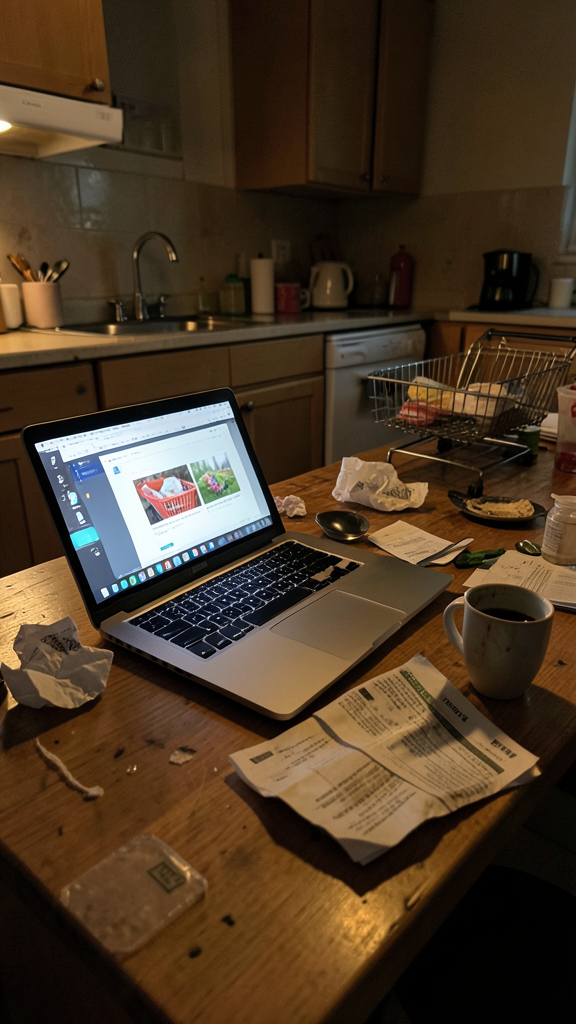

A sinking fund is just a fancy name for setting aside small amounts of money regularly for a specific purpose. In this case, Christmas.
Instead of dumping a huge amount in December, you spread it out over months. No stress. No guilt purchases. No last-minute credit card regret.
I used to think I could just budget better in December. That was cute. It never worked.
Takeaway: Small, consistent saving beats last-minute scrambling every single time.
Before jumping into the 12 easy sinking fund ideas for Christmas to save stress-free, you need a rough number.
Think about:
Write a realistic total. Not a fantasy number. Not your dream Pinterest Christmas. Your real one.
Then divide that amount by the number of months left before December.
Example:
That is it. Simple math. Less drama.
Takeaway: A clear number turns stress into a plan you can actually follow.
Here is where things get practical. These are the exact categories I use, tweak, and recommend.
This is your main category. Set aside money for presents only.
I break mine down further:
Because yes, forgetting the teacher gift happens more often than we admit 🙂
Takeaway: Separate gift categories keep you from overspending on one person.
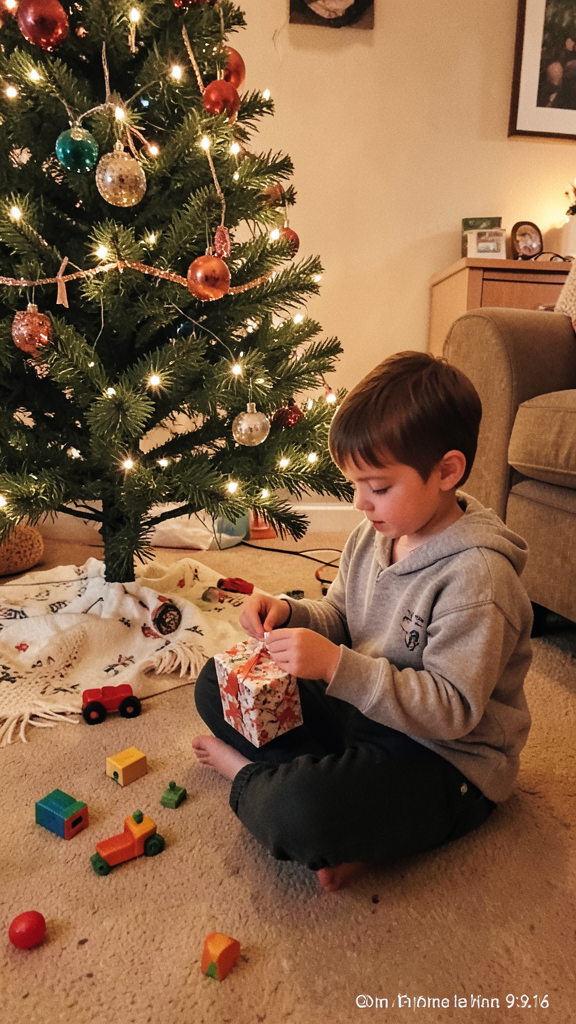
If you have kids, you know this one hits differently.
This includes:
I like to save extra here because kids remember the little magic moments more than expensive gifts.
Takeaway: Budget for memories, not just stuff.
Holiday meals add up fast. Groceries alone can wreck your budget.
Plan for:
I once hosted without planning this. Never again. My grocery bill still haunts me.
Takeaway: Food costs sneak up. Plan early or pay later.
You do not need to redecorate every year. But sometimes things break or you want a small upgrade.
Use this fund for:
Keep it modest. Your house does not need to look like a shopping mall.
Takeaway: Decorations should bring joy, not debt.
If you visit family or take a holiday trip, this one matters.
Include:
Even short trips cost more than expected. Always.
Takeaway: Travel without a fund equals stress before the trip even starts.
This one feels good.
Set aside money for:
It does not need to be huge. Even a small amount matters.
Takeaway: Giving feels better when it is planned, not forced.
Office parties, school events, friend gatherings. They all cost something.
Think:
I used to ignore this and then scramble last minute. Not fun.
Takeaway: Social spending is part of Christmas whether you plan for it or not.
Sounds small, but it adds up.
Include:
Every year I swear I will reuse supplies. Every year I buy more anyway :/
Takeaway: Small expenses still matter when they repeat.
Because something always goes wrong.
This could cover:
Think of it as your sanity fund.
Takeaway: A buffer keeps surprises from turning into stress.
Yes, this is allowed.
Use it for:
Christmas can feel like giving non-stop. You deserve something too.
Takeaway: Taking care of yourself helps you enjoy the season more.
Right after Christmas comes… more expenses.
Plan for:
I used to forget this and start January broke. Not ideal.
Takeaway: Christmas spending does not stop on December 25.

This is my favorite.
Use it for:
These moments stick longer than any gift.
Takeaway: Experiences create lasting memories without needing huge budgets.
Let’s be honest. Planning is easy. Sticking to it is where things fall apart.
Here is what works for me.
Set up automatic transfers right after you get paid.
If you never see the money, you will not spend it. Simple.
I like having different spaces for each fund.
It keeps things clear and prevents accidental spending.
Once a month, I check:
No need to obsess daily. Just stay aware.
Even 10 dollars a month works.
Consistency beats perfection. Always.
Takeaway: Systems make saving easier than relying on willpower alone.
I made all of these at some point. Learn from me.
If you do not know your total budget, you will either oversave or undersave.
Wrapping paper, snacks, last-minute gifts. They matter.
Waiting until October puts pressure on everything.
If your budget feels impossible, you will quit.
Adjust it. Make it realistic.
Takeaway: Avoiding simple mistakes can save you more stress than earning extra money.
Before I used these 12 easy sinking fund ideas for Christmas to save stress-free, December felt heavy.
Now it feels… manageable. Even enjoyable.
I shop early. I stay within budget. I actually enjoy the small moments with my family instead of worrying about money in the back of my mind.
And honestly, that is the whole point.
Christmas does not need to drain your bank account or your energy.
A simple sinking fund system can turn chaos into calm. You do not need fancy tools or a perfect plan. You just need to start.
Pick a number. Break it down. Stay consistent.
The goal is not a perfect Christmas. The goal is a peaceful one.