Physical Address
304 North Cardinal St.
Dorchester Center, MA 02124
Physical Address
304 North Cardinal St.
Dorchester Center, MA 02124


A practical and relatable guide packed with genius debt payoff hacks that help families save thousands while making everyday financial stress feel more manageable.
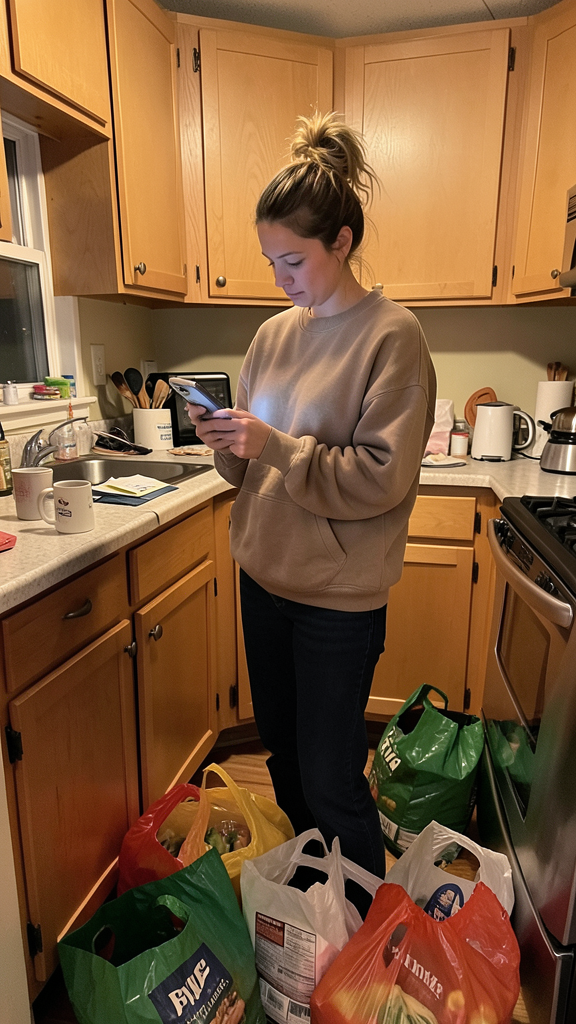
The grocery bags were still sitting on the kitchen floor while I refreshed our bank account for the third time that night.
One credit card payment had cleared. Another was due in two days. Meanwhile our daughter was asking for snacks and my husband was trying to calculate whether we could survive another month without touching savings. Nothing dramatic happened. No huge financial disaster. Just regular life slowly piling expenses on top of each other until breathing felt expensive.
That is the sneaky thing about debt.
Most people do not wake up one morning and decide to ruin their finances. Debt usually grows through small decisions, stressful seasons, and a thousand little moments where convenience wins.
The good news? Small changes can also pull you out faster than you think.
These 11 genius debt payoff hacks to save thousands helped us stop spinning our wheels and finally make real progress without turning life into a miserable punishment.
This trick sounds tiny, but it works surprisingly well.
Instead of making one full monthly payment, split it into two smaller payments every two weeks. That keeps balances lower throughout the month and reduces how much interest builds up.
It also lines up better with biweekly paychecks for many people.
We started doing this almost accidentally because freelance income hit our account at random times. Then we noticed balances shrinking faster.
Takeaway: Smaller frequent payments quietly speed up debt payoff.
People avoid this because it feels awkward. I get it.
But one fifteen-minute phone call can literally save hundreds or thousands in interest.
Ask for:
One company lowered our rate after I politely explained we had never missed payments. Apparently asking nicely still works sometimes. Weird.
FYI, the worst they can say is no.
Tax refunds hit differently when you are in debt.
Part of your brain wants to celebrate because finally, extra money exists. The other part knows your credit card balance has been quietly plotting against you.
Whenever we received unexpected money, we used this split:
That balance helped us stay motivated without feeling completely deprived :/
Do not let surprise money disappear into random spending leaks.
Convenience quietly destroys budgets.
Food delivery. Drive-thru coffee. Same-day shipping fees. Tiny purchases that feel harmless because they only cost a few dollars.
Until you add them up and suddenly realize your snacks have their own monthly payment plan.
For one month, track every convenience expense honestly.
Ours included:
The total was humbling.
Takeaway: Convenience spending often hides in plain sight.

People always jump straight into extreme budgeting first.
Meanwhile there is probably $500 to $2,000 worth of unused stuff sitting around the house collecting dust.
We sold:
One weekend of selling cleared an entire small balance.
Honestly, decluttering while paying off debt feels oddly therapeutic.

People love emotionally satisfying debt payoff strategies. That is fine. Motivation matters.
But if you want to save thousands long term, attack high-interest debt aggressively first.
A 28 percent interest rate is basically your debt doing cardio and growing stronger every month.
Pay minimums on everything else while crushing the worst interest rates first.
Your future self will thank you.

This hack helped our family more than any complicated budgeting app.
Every weekend, we picked one full day where we spent absolutely nothing.
No shopping. No takeout. No random Target trips where you enter for toothpaste and leave with decorative baskets and emotional confusion.
Instead we:
Turns out free activities still count as real life.
And honestly, staying home sometimes feels peaceful once you stop romanticizing expensive weekends.
Do not let extra money sit around too long.
Money hanging out in your checking account tends to disappear mysteriously. Suddenly you are buying unnecessary candles because the jar looked calming.
Whenever extra money arrived, we transferred it toward debt immediately.
Examples:
Small amounts matter more than people think.
IMO, momentum builds from speed. The faster you apply extra money, the faster balances shrink.
Takeaway: Extra money works best before lifestyle inflation grabs it.
Tiny cuts help, but big monthly expenses change everything.
Focus on lowering:
We switched insurance providers one year and saved enough monthly to increase debt payments immediately.
Boring adult decisions sometimes create the biggest financial wins.
Not exciting. Very effective.
The savings add up faster than most people expect.
Late fees feel like financial insults.
Automating minimum payments protects you from:
Then you can manually send extra payments whenever possible.
As a business owner and mom, my brain already holds too many random details daily. Automating basic payments removed a huge layer of stress.
Because honestly, nobody wants to remember four due dates while also packing school snacks and answering work emails.

Numbers alone feel boring after a while.
That is why visual trackers work so well.
We used:
Every small win became visible.
My daughter loved coloring progress sections with markers, which somehow turned debt payoff into a family celebration instead of constant stress 🙂
Your brain likes seeing proof that effort matters.
Takeaway: Visual progress keeps motivation alive during slow seasons.
Even hardworking people accidentally slow themselves down.
Here are the biggest mistakes I see constantly.
Minimum payments mostly protect the lender, not you.
High-interest debt quietly drains money every month.
Extreme budgets fail because real life still happens.
Every tiny financial win does not need a shopping celebration.
Sorry. Somebody had to say it.
Honestly, motivation comes and goes.
Some months we felt focused and disciplined. Other months we stared at our balances wondering if progress was even happening.
A few things helped:
For us, the goal was never becoming rich.
We just wanted less stress. Less financial tension. Fewer moments of panic checking our bank account before grocery shopping.
That emotional freedom mattered more than fancy financial milestones.
Debt payoff rarely happens through one dramatic change.
It usually happens through dozens of small decisions repeated consistently when nobody is clapping for you.
Skipping unnecessary spending. Paying a little extra. Selling unused stuff. Staying patient even when balances move slowly.
Those ordinary habits eventually create extraordinary relief.
Because the real reward is not just saving thousands.
The real reward is waking up without financial anxiety sitting in the background of every normal day.