Physical Address
304 North Cardinal St.
Dorchester Center, MA 02124
Physical Address
304 North Cardinal St.
Dorchester Center, MA 02124


A practical mid-year reset that helps you spot where your budget quietly drifted and make small changes that actually stick.
Halfway through the year, I sat down to check our budget and something felt off. Not a big mistake. Just that quiet feeling that things were slipping. Groceries a little higher. Subscriptions I barely noticed. A few random expenses that made no sense when I looked back.
It was not one bad decision. It was a hundred small ones.
That is the tricky part about budgeting. You set it in January with good intentions, then life happens. Summer comes in with more plans, more spending, and somehow your numbers stop matching reality.
So instead of starting over, I like to pause mid-year and review what actually changed. These 10 smart budget categories you should review mid-year can help you reset without the guilt spiral.

Budgets are not static. Your life is not static either.
Maybe your income shifted. Maybe your routine changed. Maybe your kid suddenly eats like a teenager. Things move, and your budget should move with them.
A mid-year check keeps small issues from turning into bigger ones later. It is less about fixing everything and more about noticing what is off.
Takeaway: A mid-year review helps you adjust early instead of reacting late.
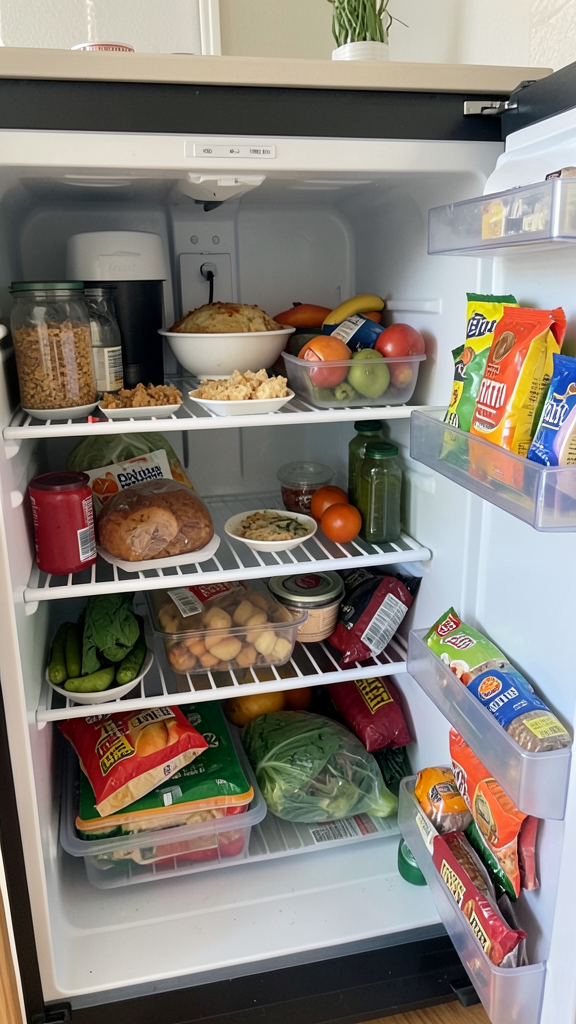
This one always creeps up first. Always.
Prices change. Habits change. And somehow your weekly grocery bill quietly climbs without asking permission.
When I checked ours, I realized we were buying more convenience items. Pre-cut fruit, packaged snacks, quick meals. All helpful, all expensive.
What to review:
Takeaway: Small upgrades in convenience often come with a hidden cost.
I also wrote a piece on easy ways to save money on groceries this summer, worth a read when you have time.
Make Weekly Shopping Simpler and More Intentional

Summer and eating out go hand in hand. Quick lunches, weekend treats, last-minute plans.
It feels harmless in the moment. Then you add it up.
Try this:
I cut back without cutting it out. That balance matters IMO.
Takeaway: You do not need to stop. You just need to choose better.

This category is sneaky. You sign up once, then forget.
Streaming services, apps, memberships. Each one feels small, but together they stack up fast.
Mid-year is a great time to ask:
I canceled two subscriptions and did not even notice they were gone.
Takeaway: If you forgot about it, you probably do not need it.
Stay on Top of Your Monthly Subscriptions Before They Add Up
Summer changes your utility bills. More air conditioning. More water use. Sometimes higher electricity spikes.
Instead of being surprised, review:
Even small changes help. Adjusting temperature by one degree made a difference for us.
Takeaway: Seasonal shifts need seasonal adjustments.
Gas prices move. Your routine changes. Maybe you drive more in summer.
This category often gets ignored until it feels too late.
Check:
I started grouping errands into one trip. It sounds obvious, but it saved more than I expected.
Takeaway: Small habit shifts reduce ongoing costs.
Kids do not follow your budget plan. They just exist and need things constantly 🙂
Between activities, clothes, snacks, and random requests, this category can grow fast.
Mid-year is a good time to ask:
We cut one activity that no one was excited about anymore. No regret.
Takeaway: Not every expense for your kids is equally valuable.
This is your guilt-free category. Or at least it should be.
But if you never review it, it can turn into a free-for-all. Little purchases here and there, nothing huge, but it adds up.
Look at:
FYI, half my random purchases were late-night scroll decisions.
Takeaway: Spend on what you enjoy, not what you forget.
This one is easy to ignore when expenses go up.
But your savings should not be the leftover. It should still be part of the plan.
Mid-year check:
Even a small consistent amount is better than nothing.
Takeaway: Consistency matters more than size.
If you have debt, this is a key category to review.
Interest adds up quietly. And if you are only paying the minimum, progress can feel slow.
Ask yourself:
Even an extra small payment helps over time.
Takeaway: Small extra payments reduce long-term stress.

This is the category people cut first. And then they burn out.
You still need fun. Especially in summer.
The goal is not to eliminate it. It is to plan it better.
Try:
We started planning one intentional outing instead of several random ones. It felt better and cost less.
Takeaway: Intentional fun feels better than scattered spending.
You do not need a complicated system. Keep it simple.
Here is what I do:
It takes about an hour. Maybe less if you do not overthink it.
Also, do not aim for perfect numbers. Aim for honest ones.
Takeaway: A simple review done honestly beats a perfect plan ignored.
A budget is not something you set once and forget. It needs attention, especially halfway through the year when real life has already shaped your habits.
These smart budget categories you should review mid-year are not about cutting everything. They are about noticing what changed and adjusting without guilt.
Because most of the time, the problem is not your discipline. It is that your budget stopped matching your life.
Take a little time, look at your numbers, and make a few small changes. That is usually enough to get things back on track.