Physical Address
304 North Cardinal St.
Dorchester Center, MA 02124
Physical Address
304 North Cardinal St.
Dorchester Center, MA 02124


Simple and practical allowance ideas that help kids understand money faster while building real-life habits that actually stick.
The question hits while you are busy doing something else. Can I have money for this. You pause, hesitate, then hand over a small amount just to move on.
It feels harmless in the moment. But later you realize your kid has no clue where money comes from or why it runs out.
Most of us fall into this pattern. We give money when asked instead of teaching how it works. The fix is not complicated. You just need a better system.
Here are 10 smart allowance ideas for kids to learn money fast that actually stick without turning your home into a lecture zone.

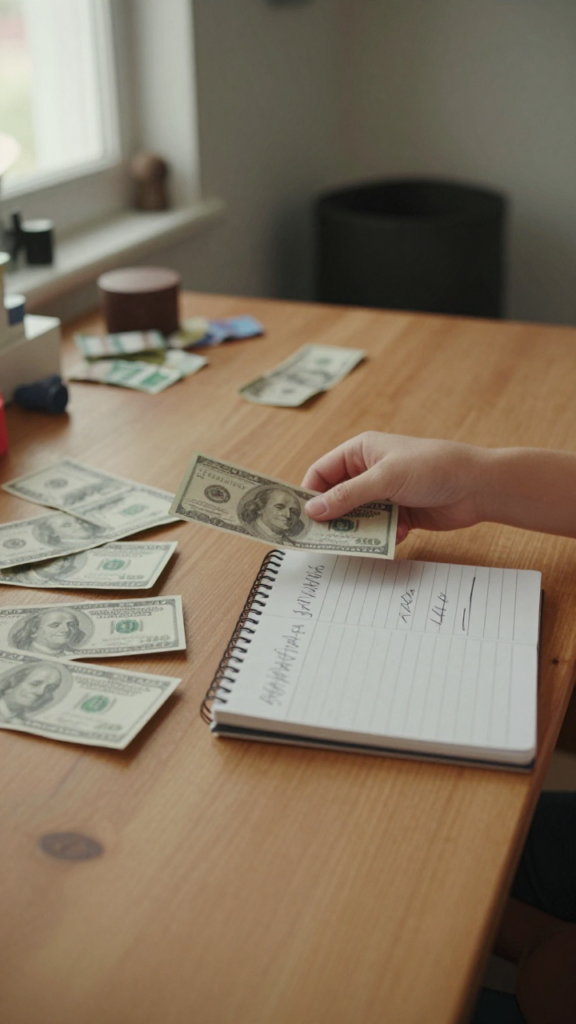
Start simple.
Set:
No random extras during the week.
I used to hand out money whenever my daughter asked. That turned into confusion real fast.
Once I switched to a weekly allowance, things got clearer.
Takeaway: Consistency helps kids understand money better than random rewards.
Tie allowance to effort.
Create a list of:
Kids start connecting work with money.
Not every chore needs to be paid, though. Cleaning their room is just part of life.
Takeaway: Earning money builds responsibility and effort awareness.
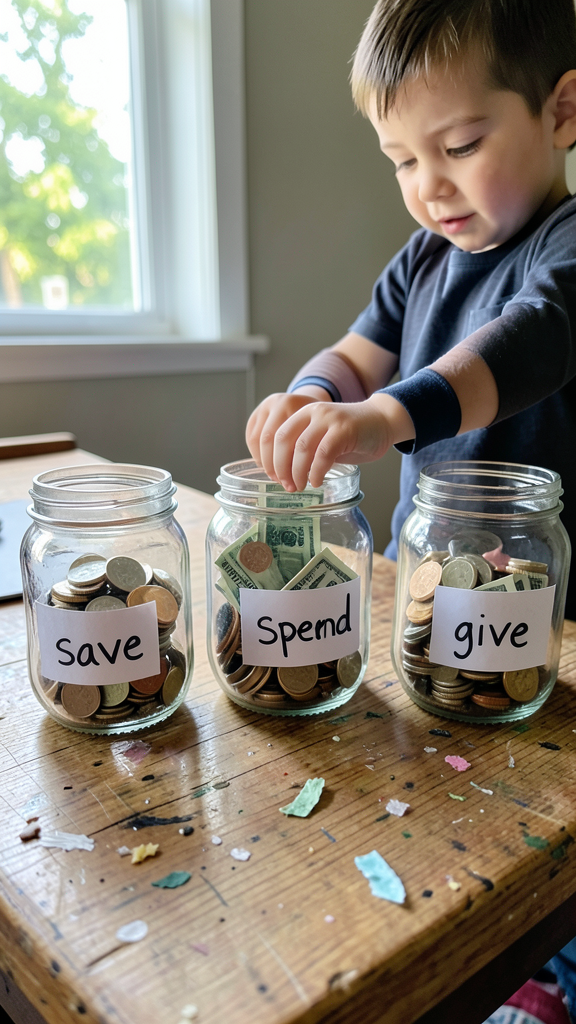
Teach balance early.
Divide allowance into:
Use jars or envelopes so kids can see it.
At first, my daughter wanted everything in spending. Shocking, right.
Over time, she started to enjoy watching her savings grow.
Takeaway: Splitting money builds healthy habits from the start.
Give saving a purpose.
Help your child:
Without a goal, saving feels boring.
Once there was a toy involved, suddenly saving became very interesting.
Takeaway: Goals make money feel meaningful to kids.
Turn saving into a game.
When your child saves:
It feels exciting and rewarding.
FYI, this worked faster than any explanation I tried.
Takeaway: Matching boosts motivation and reinforces saving habits.
Reward smart decisions.
Give small bonuses for:
This encourages positive behavior.
It does not need to be big. Kids notice the effort being recognized.
Takeaway: Positive reinforcement builds long term habits.
Teach boundaries.
Set limits like:
This prevents impulse spending.
IMO, this one reduces a lot of unnecessary drama.
Takeaway: Limits help kids learn control and patience.

Bring them into real decisions.
Let them:
Keep it simple and short.
My daughter once chose a cheaper option just so she could save the difference. That was a proud moment 🙂
Takeaway: Real life practice teaches faster than theory.

Let them mess up a little.
Allow:
It is better now with small amounts than later with bigger ones.
Watching my daughter regret a purchase taught her more than any advice I gave.
Takeaway: Mistakes are part of learning, not failure.
As your child grows, adjust the system.
Increase:
This keeps the system relevant.
A five year old and a ten year old do not need the same setup.
Takeaway: Your allowance system should grow with your child.
It is not about giving more money. It is about giving better structure.
Kids learn faster when:
You do not need perfect execution.
You just need to keep showing up and guiding them.
Some days will feel like nothing is working. That is normal :/
Teaching kids about money does not require complicated plans or strict rules. It requires simple systems that fit into your everyday life.
Start small, stay consistent, and let your kids learn by doing.
The goal is not perfect behavior. It is understanding.
And once that clicks, everything else gets easier.