Physical Address
304 North Cardinal St.
Dorchester Center, MA 02124
Physical Address
304 North Cardinal St.
Dorchester Center, MA 02124


A practical and relatable guide to the money saving strategies debt payoff enthusiasts use to reduce stress, cut unnecessary spending, and create steady financial progress in real everyday life.
The grocery bags were still sitting on the kitchen floor while I stared at our checking account trying to figure out how we somehow spent that much again.
Nothing flashy either.
No luxury handbags. No fancy vacations. Just regular life quietly draining money through groceries, takeout, subscriptions, school expenses, and random Target purchases that somehow started with toothpaste and ended with decorative candles.
That was the frustrating part.
We were working hard, paying bills, trying to be responsible, and still feeling financially stuck all the time.
Eventually I realized something important. Most successful debt payoff people are not secretly richer or magically disciplined. They just build small money-saving habits that quietly protect their finances every single week.
And honestly, some of those habits look painfully boring at first 🙂
Here are 10 expert money saving strategies debt payoff enthusiasts love because they actually work in real everyday life.

A lot of people think debt payoff requires huge dramatic sacrifices.
Sometimes it does involve difficult choices. But often the biggest progress comes from small repeated decisions.
Tiny savings add up fast when you consistently redirect them toward:
The goal is not becoming miserable.
The goal is creating more breathing room financially.
Takeaway: Small consistent savings habits create powerful long-term debt payoff momentum.

This strategy saved our family hundreds without feeling extreme.
Before meal planning, grocery shopping felt like financial freestyle chaos. We bought random ingredients with optimistic intentions and somehow still ended up ordering takeout later.
Now we plan meals before shopping.
Simple change. Huge difference.
Hungry grocery shopping deserves its own warning label honestly.
Meal planning reduces:
FYI, simple meals count. Not every dinner needs to look like a cooking competition final round.

This habit creates awareness fast.
Choose one day weekly where you spend absolutely nothing besides emergencies.
No coffee runs. No online shopping. No random convenience spending.
At first it feels slightly annoying.
Then you realize how often spending happens automatically without real intention.
Simple activities become surprisingly enjoyable once your brain stops expecting spending as entertainment.
People often save whatever money remains at the end of the month.
Problem is nothing remains.
Automating savings removes decision fatigue completely.
We started transferring money automatically:
Best financial decision ever honestly.
Sometimes the smartest money strategy is simply making fewer daily decisions.
Takeaway: Automated savings systems create progress without relying on constant motivation.
Subscriptions multiply quietly.
One streaming service becomes four. One monthly app becomes seven. Suddenly your bank account gets attacked by tiny recurring charges every week :/
One afternoon we reviewed everything carefully and canceled anything we barely used.
Painful at first. Extremely satisfying later.
Tiny recurring expenses become surprisingly expensive over time.

This strategy changed my spending behavior immediately.
Digital spending feels emotionally invisible sometimes.
Cash feels painfully real.
We started using cash for:
Watching physical cash disappear creates awareness fast.
Funny how online shopping feels harmless until actual paper money leaves your hand.
Not forever necessarily. Just long enough to rebuild better habits.
Honestly, this strategy saved us more money than almost anything else.
Especially after becoming parents.
Children outgrow things at alarming speed. Clothes. Shoes. Toys. Furniture. Apparently everything costs money constantly.
We started buying:
And guess what. Most items still worked perfectly fine.
Debt payoff enthusiasts love this strategy because it cuts costs dramatically without ruining everyday life.
Impulse spending thrives on urgency.
The 48-hour rule interrupts that cycle.
Before buying anything unnecessary, wait two days.
Most impulse purchases lose emotional power surprisingly fast.
That last question stops many questionable purchases immediately IMO.
Takeaway: Delaying purchases helps separate emotional spending from intentional spending.
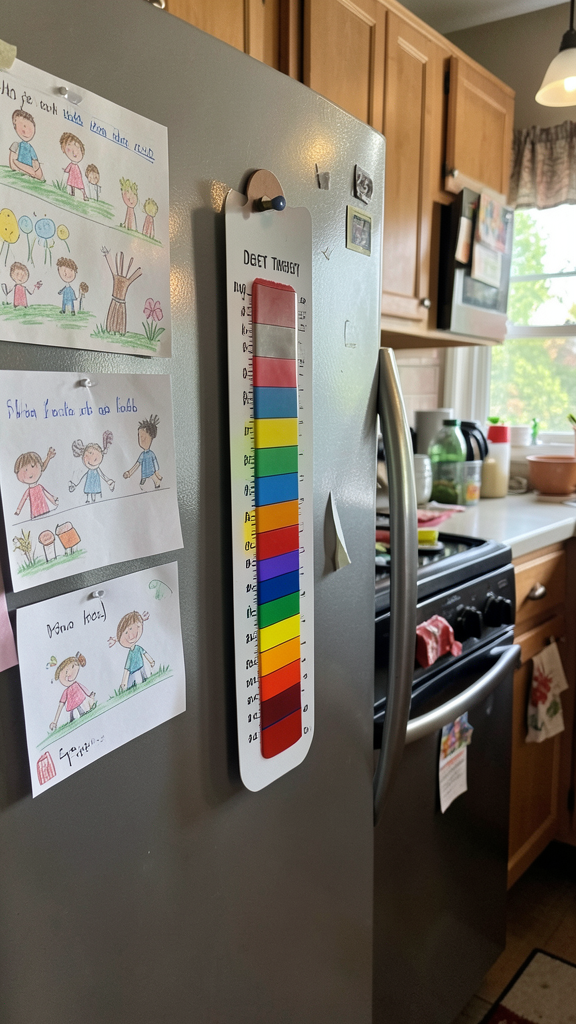
People stay motivated when they can physically see progress.
We used:
Every paid-off balance felt more real visually.
My daughter loved coloring sections on our debt chart, which somehow made financial progress feel like a family project instead of constant adult stress 🙂
Tiny visual reminders create surprisingly strong habits.
This mindset shift matters deeply.
A lot of overspending comes from believing enjoyment always requires spending more.
But honestly:
Debt payoff enthusiasts often become experts at appreciating ordinary life more fully.
Not because they are forced to suffer.
Because simplicity eventually feels peaceful.
This strategy saved me emotionally and financially.
A huge amount of spending comes from social pressure.
People upgrade phones early. Buy expensive clothes. Overspend during holidays. Pretend everything feels financially fine while secretly stressed all the time.
Once we stopped performing financial success for other people, money decisions became easier.
Real financial peace matters more than looking impressive online.
Takeaway: Financial freedom becomes easier once you stop spending for appearances.
Even good intentions can backfire sometimes.
Extreme budgeting usually creates burnout.
Stress affects money decisions constantly.
Tiny progress still deserves acknowledgment.
Financial improvement should feel sustainable.
Not like permanent misery.
That distinction matters a lot.
The biggest shift was emotional honestly.
Before using these money saving strategies, debt felt overwhelming constantly. Every unexpected expense triggered panic.
Slowly things changed:
Not perfectly.
Just consistently enough to create breathing room.
And breathing room changes everything.
Most financial progress happens quietly.
It happens through ordinary habits repeated consistently:
These 10 expert money saving strategies debt payoff enthusiasts love work because they fit real life. Not fantasy influencer life with unlimited self-control and matching pantry jars.
Real messy everyday life.
Because honestly, financial freedom rarely comes from one giant breakthrough.
Usually it arrives through hundreds of small decisions that slowly make life feel calmer, lighter, and less controlled by money stress.