Physical Address
304 North Cardinal St.
Dorchester Center, MA 02124
Physical Address
304 North Cardinal St.
Dorchester Center, MA 02124

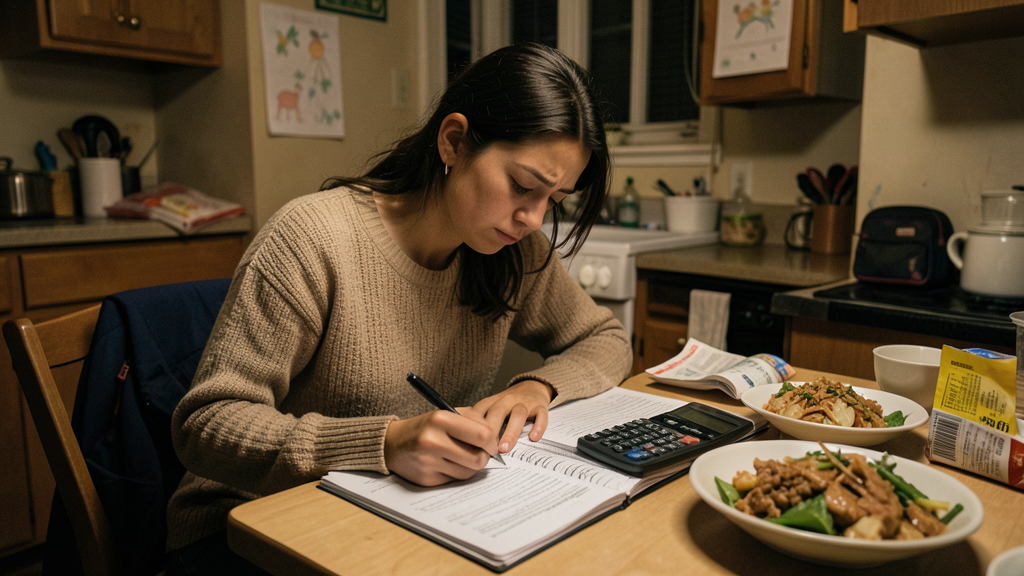
These 10 smart budgeting ideas for low income households offer realistic ways to save money, reduce stress, and make tight budgets feel more manageable without living miserably.
The card declined at the grocery store with a line of people waiting behind me. Not because I bought anything fancy either. Bread, eggs, pasta, cereal, and the coffee my husband insists keeps him functioning as a human being. I stood there pretending the machine probably made a mistake while mentally calculating what I could put back first.
That kind of moment sticks with you.
A lot of low income households are not wasting money left and right. Most people are already stretching every dollar until it practically files a workplace complaint. The problem is that expenses keep growing while paychecks somehow stay emotionally unavailable.
The good news is this. Smart budgeting does not always mean earning more money. Sometimes it means handling the money you already have with more intention and fewer financial jump scares.
These 10 smart budgeting ideas for low income households are realistic, beginner-friendly, and actually doable when life already feels expensive enough.
Before we get into the practical stuff, let us say the obvious thing out loud.
Budgeting on a low income is exhausting.
You are not trying to decide between luxury vacation packages. You are deciding whether this week needs gas money more than takeout. Entirely different energy.
When money stays tight month after month, every unexpected expense feels personal. One sick kid, one flat tire, one school fee, and suddenly the budget starts collapsing like cheap patio furniture.
That is why realistic budgeting matters more than perfect budgeting.
Takeaway: A budget should reduce stress, not make you feel constantly guilty.


A lot of people try to budget backward. They estimate spending after random purchases already happened.
Instead, start with survival expenses first:
Write down the absolute minimum needed to keep the household running.
This step can feel uncomfortable because the numbers suddenly become very real. But avoiding the math never improves the math.
I stopped pretending every month would magically become cheaper. Once I accepted our real baseline expenses, budgeting became less emotional and more practical.
Takeaway: Know your true monthly survival number before planning anything else.


Monthly budgets sound organized until week three arrives and your bank account starts looking haunted.
Weekly budgeting feels easier because you only focus on the next few days.
For example:
This creates smaller spending boundaries that feel manageable.
As a mom, weekly budgeting honestly saved my sanity. Kids have an incredible ability to need expensive things at random times. Suddenly there is a school project requiring glitter, poster board, and emotional resilience.
Weekly check-ins help you catch problems early before the entire month spirals.
Takeaway: Smaller budgeting periods make money feel easier to control.


Groceries quietly eat budgets alive when there is no plan.
The easiest way to lower food costs is planning meals around:
Some affordable staples:
Fancy grocery hauls online can make normal food look boring. Meanwhile, affordable homemade pasta keeps the lights on. Priorities.
I started planning meals based on what would spoil first. Less wasted produce meant more money staying in the account.
Takeaway: Meal planning reduces food waste and unnecessary grocery spending fast.


Even low income households need emergency savings. Especially low income households.
Without savings, every surprise expense turns into:
Start small.
Your first goal could simply be:
That amount alone can prevent so much stress.
Do not mix emergency money with spending money if temptation is strong. Late-night online shopping has convinced all of us we suddenly needed decorative storage baskets at least once.
Takeaway: Small emergency funds still create real financial breathing room.


Tiny expenses add up aggressively.
Look through:
One month I realized we were paying for three streaming services while repeatedly watching the same comfort shows anyway. Humbling experience honestly 🙂
Check your bank statement for:
You may find extra money hiding in plain sight.
Takeaway: Small recurring expenses can quietly destroy tight budgets over time.


Some spending categories get out of control fast.
For many families, it is:
Using physical cash creates a stronger spending boundary.
Once the envelope is empty, spending stops.
Digital payments feel invisible sometimes. Cash feels painfully real. That is exactly why it works.
Cash budgeting feels annoying at first. Then suddenly you realize you stopped impulse buying random clearance items just because they had a yellow sticker.
Takeaway: Cash systems make spending limits easier to respect.


A lot of budgeting advice obsesses over tiny purchases while ignoring massive expenses.
Skipping one coffee helps a little. Lowering a major monthly bill helps a lot more.
Focus on:
Negotiating bills feels awkward. Do it anyway.
One phone call once lowered our internet bill by enough to cover several grocery trips monthly. Apparently loyalty only matters after you threaten to cancel. Funny how that works.
Can I get a lower rate or cheaper plan?
That simple question saves people more money than they expect.
Takeaway: Cutting large monthly expenses creates faster budget relief than tiny sacrifices alone.


Paying debt matters. But having zero savings while aggressively paying debt can backfire badly.
Without a small buffer:
Build a basic emergency cushion first. Then attack extra debt payments harder.
Try saving:
FYI, stability matters too. Not just speed.
Takeaway: Emergency savings help prevent new debt while paying off old debt.


Social media budgeting content can get weird fast.
Some people act like everyone casually meal preps organic salmon while maxing retirement accounts before age thirty. Meanwhile, normal households are trying to survive rising grocery prices without emotional damage.
Comparison destroys motivation.
Your budget only needs to work for your household.
Focus on:
That is real financial progress.
Takeaway: A realistic budget that works beats a perfect budget you cannot maintain.


Extreme budgeting often fails because people feel deprived constantly.
Even low income budgets need:
Otherwise burnout arrives fast.
This does not need to be expensive.
Sometimes my fun money looks like:
Small joys make hard seasons feel survivable.
Budgets should support your life. Not punish you for living it.
Takeaway: Small amounts of guilt-free spending help budgets stay sustainable long term.
Back-to-school shopping, birthdays, holidays, and car maintenance still happen every year.
Plan ahead slowly instead of acting shocked every single time. We all know December arrives annually.
If your grocery budget is impossible, the budget will fail immediately.
Be honest about actual costs.
Extreme financial changes usually collapse fast.
Start with:
Small consistent improvements matter more.
Takeaway: Sustainable budgeting works better than extreme financial overhauls.
Budgeting on a low income takes patience, creativity, and a weird amount of emotional strength.
Some months will feel smooth. Other months will feel like your washing machine joined forces with inflation to ruin your peace.
That does not mean you are failing.
The goal of these 10 smart budgeting ideas for low income households is not perfection. It is stability. Little by little, those small decisions start building something calmer and more secure.
And honestly, that kind of peace matters more than looking rich online.