Physical Address
304 North Cardinal St.
Dorchester Center, MA 02124
Physical Address
304 North Cardinal St.
Dorchester Center, MA 02124


These 9 essential steps for budgeting for new parents share realistic ways to manage baby expenses, reduce financial stress, and build healthier money habits during the exhausting early stages of parenthood.
The baby finally fell asleep after what felt like twelve straight hours of crying, feeding, diaper changes, and pacing around the living room like exhausted zombies. Then I opened the banking app and realized we had somehow spent an alarming amount of money on tiny socks, late-night takeout, and baby gear the internet promised we absolutely needed.
Nobody talks enough about the financial whiplash that comes with becoming a parent. One minute you are casually buying coffee and random Target candles. The next minute you are comparing diaper prices like it is a competitive sport.
The truth is most new parents feel overwhelmed financially at first. Babies are wonderful little humans. They are also surprisingly expensive roommates.
If you are trying to figure out realistic money habits without losing your mind, these 9 essential steps for budgeting for new parents can help you feel calmer, more prepared, and slightly less financially panicked 🙂

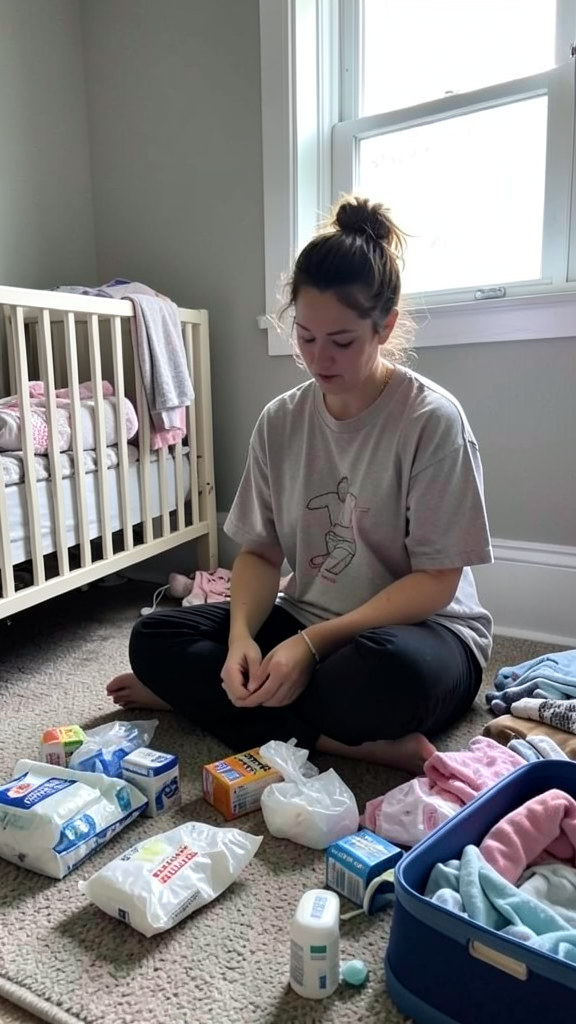
The baby industry deserves an award for convincing exhausted parents they need seventeen versions of the same item.
At one point I had:
New parents often overspend because fear and exhaustion make everything feel urgent.
Start with basics:
That is enough initially.
Babies truly do not care whether their changing table matches your living room aesthetic.
You will quickly learn what your baby actually likes and needs.
Some babies hate expensive swings. Some refuse fancy bottles. Some somehow survive perfectly without designer nursery decor. Shocking development honestly.
Takeaway: Buying fewer baby products upfront prevents unnecessary spending and clutter.
A lot of new parents avoid budgeting because life already feels chaotic enough.
I understand deeply.
But even a basic budget creates so much mental relief once you stop guessing where money keeps disappearing.
Keep it simple:
Your first budget does not need to look pretty. Mine looked like a tired grocery list with calculator marks all over it.
Some months involve doctor visits. Some involve growth spurts where the baby suddenly outgrows every outfit overnight :/
Flexibility matters more than perfection.
Takeaway: A simple baby budget reduces financial stress and surprises.

New parent exhaustion creates expensive eating habits fast.
During the newborn stage, I genuinely considered drive-thru fries an emotional support system.
Cooking complicated meals while sleep deprived feels impossible sometimes. So planning ahead matters.
Cheap realistic meal ideas:
Nobody needs gourmet meals during survival mode.
This helped us massively:
Cheap convenience food at home prevents expensive takeout emergencies later.
FYI, eating cereal for dinner occasionally does not make you a failed adult.
Takeaway: Simple meal planning lowers stress and unnecessary food spending.
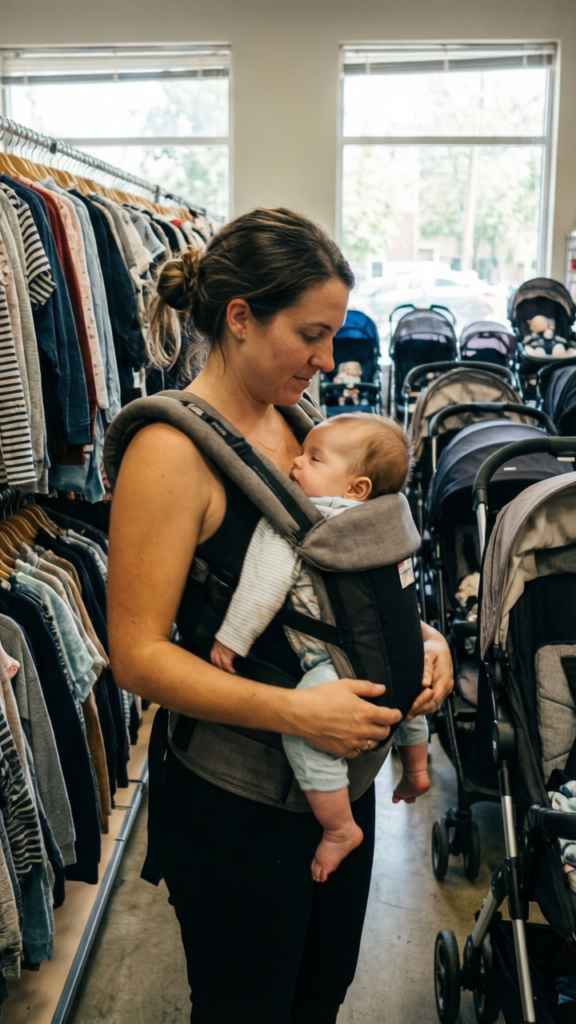
Babies outgrow things at terrifying speed.
I once bought adorable newborn pajamas that fit for approximately six business days.
Buying secondhand saved us hundreds without affecting quality at all.
We found great deals on:
Facebook Marketplace became one of my favorite parenting survival tools unexpectedly.
Some things should stay new for safety reasons:
Everything else? Secondhand often works perfectly.
Takeaway: Used baby items dramatically reduce costs during fast growth stages.
Babies come with random surprise expenses constantly.
One week everything feels stable. The next week you suddenly need:
Financial surprises hit harder when no buffer exists.
Even tiny savings help.
Start with:
Small emergency funds still create breathing room.
If savings stays inside your regular spending account, tired-parent impulse purchases magically appear.
Ask me how I know.
Takeaway: Small emergency savings reduce panic during unexpected baby expenses.
A lot of people feel pressure to completely upgrade their lives after having a baby.
Suddenly social media suggests you need:
Meanwhile you are just trying to shower consistently.
Your baby needs:
Not a Pinterest-perfect nursery that costs half your savings account.
Honestly, babies care more about ceiling fans than expensive decor most of the time.
Parenting content online can quietly trigger overspending.
People rarely post:
Comparison ruins financial peace quickly.
Takeaway: Avoiding unnecessary lifestyle upgrades protects long-term finances.
Sleep deprivation turns basic tasks into Olympic-level mental challenges.
I once forgot to pay a utility bill because I genuinely lost track of what day it was.
Automation helps reduce those mistakes.
Usually:
Fewer mental reminders means less stress overall.
Automation is helpful, not magical.
Review statements regularly for:
Tiny charges add up fast during busy parenting seasons.
Takeaway: Automating bills helps prevent missed payments during exhausting stages of parenting.
This step matters emotionally and financially.
A lot of new parents expect themselves to manage money perfectly immediately while also surviving one of the biggest life adjustments possible.
That expectation feels wildly unfair honestly.
Sometimes:
That does not mean you failed.
Consistency matters far more than perfect financial behavior.
Parenthood already comes with enough guilt attached to everything.
Your budget should support your life, not become another source of shame.
IMO, sustainable habits matter more than extreme short-term budgeting.
Takeaway: Flexible realistic budgeting works better than perfectionism.
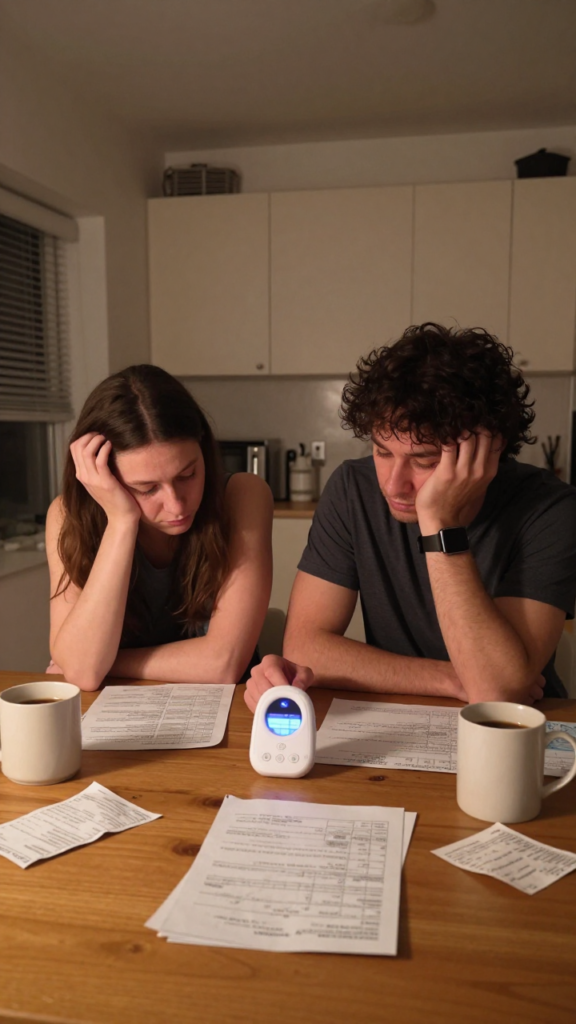
Financial stress becomes heavier when nobody discusses it honestly.
After becoming parents, my husband and I realized we needed regular conversations about:
Otherwise confusion built up quietly.
You do not need dramatic financial meetings.
Usually we just discuss:
Ten calm minutes helps more than avoiding the topic for weeks.
Parenting already feels exhausting enough without financial resentment building underneath everything.
Shared awareness reduces tension massively.
Takeaway: Open money conversations strengthen both budgeting and relationships.
These 9 essential steps for budgeting for new parents work because they focus on realistic habits instead of impossible perfection.
Most financial peace comes from small consistent choices:
Little habits matter more than dramatic financial overhauls.
And honestly, budgeting during early parenthood is not really about controlling every penny. It is about creating enough stability so you can focus more energy on your family and less energy on constant financial anxiety.