Physical Address
304 North Cardinal St.
Dorchester Center, MA 02124
Physical Address
304 North Cardinal St.
Dorchester Center, MA 02124


These realistic strategies for living within your means can help you reduce financial stress, spend more intentionally, and create a calmer lifestyle without feeling restricted all the time.
The card declined over something embarrassingly small. Not a luxury handbag. Not concert tickets. Groceries. I stood there pretending to reorganize my wallet while internally calculating how many days remained until payday.
That moment sticks with people.
Living within your means sounds simple until real life starts throwing school expenses, rising grocery bills, random car problems, and emotionally unnecessary coffee runs into the mix. Somehow money disappears faster than leftovers in a house with kids.
The good news is this. Learning how to live within your means does not require becoming miserable or obsessively cheap.
Most of the progress comes from small consistent habits that slowly make life feel calmer financially.
These 20 best strategies for living within your means helped our family reduce stress, spend more intentionally, and finally stop feeling constantly behind.

A lot of people avoid checking spending because it feels uncomfortable.
I did too for a while. Then I realized ignoring the numbers did not magically improve them.
Patterns become obvious fast.
Takeaway: Awareness is the first step toward living within your means.
This one quietly drains people financially.
Fancy cars, trendy clothes, expensive gadgets, and constant upgrades create endless pressure.
Peace feels better than pretending.
Takeaway: Living within your means often requires ignoring social pressure.
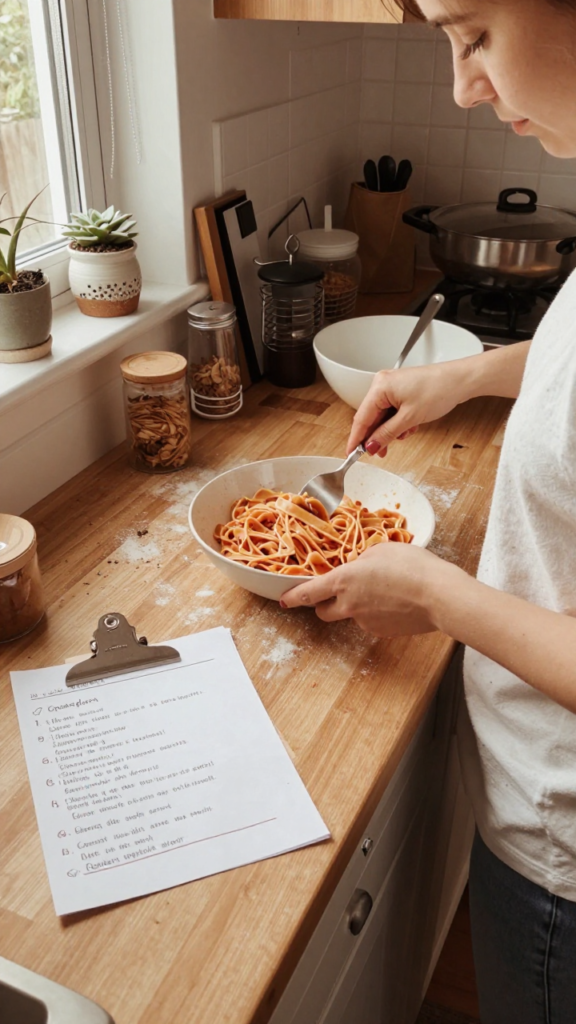
Walking into the grocery store without a plan feels financially dangerous honestly 🙂
You suddenly leave with twelve snacks, three sauces, and absolutely no real dinner ingredients.
Simple routines reduce waste.
Takeaway: Meal planning helps control food spending significantly.
People get discouraged trying to save huge amounts immediately.
Start smaller.
Small wins build momentum.
That first small emergency fund reduced my anxiety more than expected.
Takeaway: Small emergency savings still create financial stability.
Some spending categories become dangerously easy with cards.
For me it was home decor and random coffee shop stops that somehow turned into pastry collections too.
Cash creates awareness quickly.
Takeaway: Physical cash helps control emotional spending habits.

This changes spending habits more than people realize.
Once home feels cozy and enjoyable, expensive outings lose some of their emotional power.
Comfort matters.
Takeaway: Enjoying home life supports living within your means naturally.
Impulse spending thrives on urgency.
Waiting even 24 hours helps separate real needs from temporary emotions.
Time creates clarity.
Most impulse purchases lose their magical emotional sparkle surprisingly fast.
Takeaway: Delayed spending reduces unnecessary purchases.
This happens quietly.
Income increases, then spending increases immediately too. Suddenly raises disappear without improving financial stability.
More income should create breathing room.
Takeaway: Avoiding lifestyle inflation helps build lasting financial stability.
Retail emails deserve partial responsibility for modern financial chaos.
Daily sales notifications create fake urgency constantly.
Less temptation reduces spending naturally.
Takeaway: Reducing shopping exposure helps control unnecessary spending.
Cheap items sometimes cost more long term.
Reliable items reduce replacement costs.
Constantly rebuying cheap products became exhausting financially and mentally.
Takeaway: Intentional quality purchases support long-term savings.
Saving money without purpose feels depressing fast.
Goals create motivation.
Purpose makes sacrifices easier.
Takeaway: Clear goals help maintain better spending habits.
Comparison quietly destroys contentment.
Social media mostly shows highlight reels, not credit card balances or financial stress.
Comparison creates unnecessary pressure.
A peaceful budget feels much more impressive than fake luxury online.
Takeaway: Living within your means requires ignoring comparison culture.
Complicated budgeting systems overwhelm people quickly.
Simple systems usually work better long term.
Clarity matters more than perfection.
Takeaway: Simple budgets are easier to maintain consistently.
Cooking at home saves huge amounts over time.
It does not need to become a gourmet personality transformation either.
Simple meals work perfectly fine.
Takeaway: Cooking at home helps reduce monthly expenses dramatically.

People forget what they own constantly.
I found duplicate skincare products once that honestly looked like they formed their own tiny economy under the bathroom sink :/
Using existing items reduces unnecessary spending.
Takeaway: Shopping your home first prevents duplicate purchases.
Not every invitation or expense fits the budget.
That does not make you boring or unsuccessful.
People who care about you usually understand.
Takeaway: Healthy boundaries support financial stability.
Saving becomes easier when it happens automatically.
Automation removes decision fatigue.
Takeaway: Automatic savings create consistent financial progress.
Extreme restriction usually backfires.
A realistic budget includes small enjoyable purchases.
Balance creates sustainability.
Takeaway: Small enjoyable spending prevents financial burnout.
Recurring bills quietly shape financial stress levels.
Lower fixed costs create flexibility every month.
Takeaway: Reducing recurring expenses improves long-term stability.
Perfectionism ruins financial progress constantly.
Some months will go smoothly. Other months will involve surprise expenses and emotionally necessary takeout after chaotic days.
That is normal.
Progress matters more than flawless budgeting.
Takeaway: Financial peace comes from consistency, not perfection.
Modern life constantly encourages spending.
Everything gets marketed as self-care, productivity, convenience, or personal transformation. Suddenly you just wanted toothpaste and somehow almost bought an expensive kitchen appliance too.
That pressure adds up emotionally.
Awareness helps you respond intentionally instead of emotionally.
Tiny daily decisions matter more than dramatic financial overhauls.
Small habits build financial stability slowly.
The calmer our routines became, the less chaotic our spending felt.
These best strategies for living within your means are not about punishment or eliminating every enjoyable thing from life.
They are about creating stability, flexibility, and peace through intentional choices.
Track spending honestly. Simplify routines. Avoid comparison. Keep realistic budgets. Focus on long-term comfort instead of short-term appearances.
Over time those small choices create something surprisingly valuable.
A life where money feels calmer, decisions feel lighter, and financial stress stops controlling every corner of your daily routine.