Physical Address
304 North Cardinal St.
Dorchester Center, MA 02124
Physical Address
304 North Cardinal St.
Dorchester Center, MA 02124

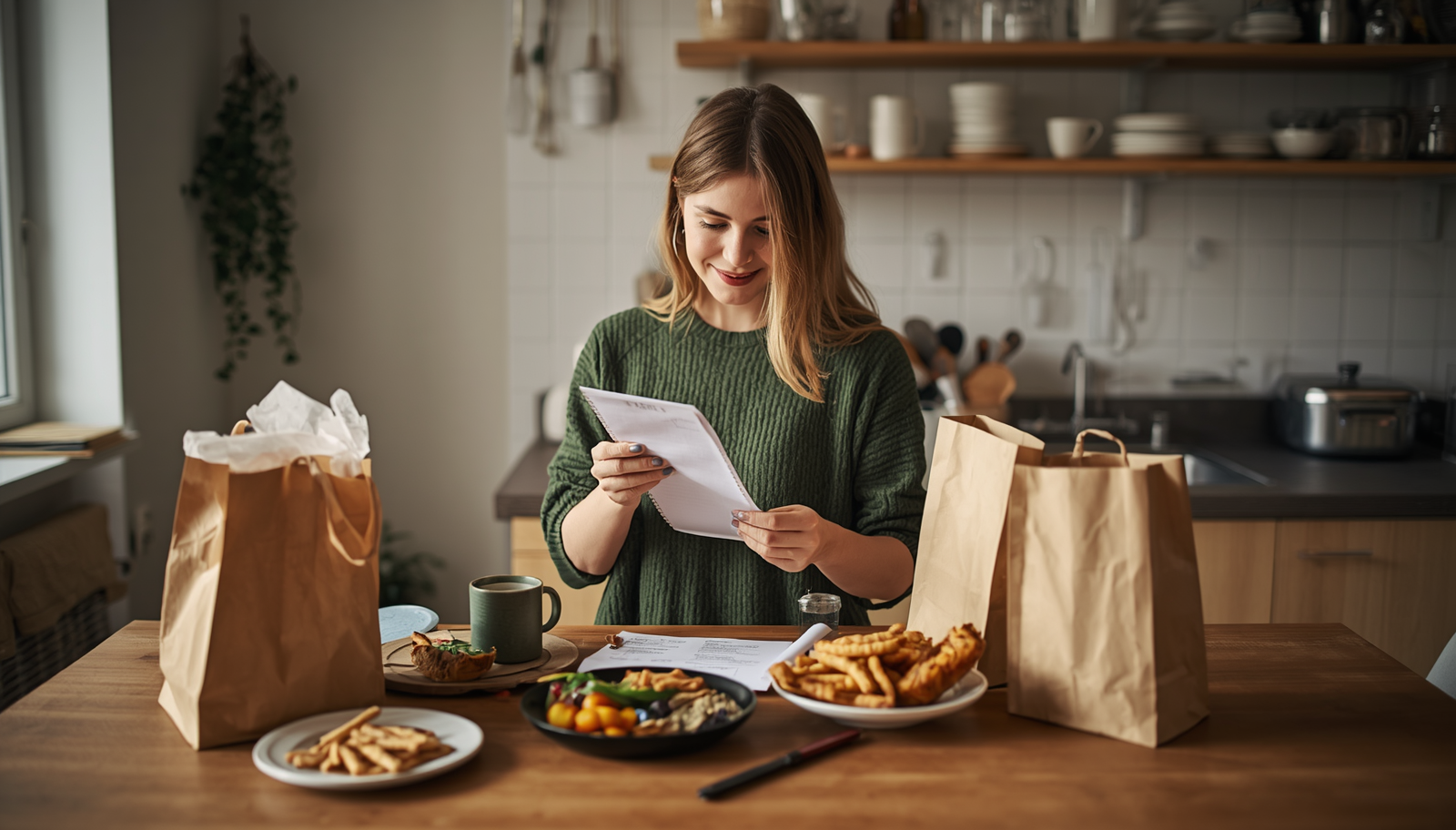
These realistic and budget-friendly ways to live cheaply can help you reduce everyday expenses, simplify your routines, and create a calmer financial life without feeling deprived.
The grocery total flashed across the screen and I physically paused for a second. Somehow I walked into the store for bread, fruit, and coffee creamer, then left wondering if I accidentally financed a small vacation instead.
Living cheaply sounds easy until regular life starts happening.
Bills pile up quietly. Kids grow out of clothes overnight. One stressful week leads to takeout dinners and random online shopping that seemed emotionally necessary at the time. Then suddenly the budget feels tight again.
For a long time, I assumed living frugally meant sacrificing everything enjoyable. Turns out, most budget-friendly habits are actually about making life simpler, calmer, and less wasteful.
Once I stopped chasing constant convenience and unnecessary upgrades, saving money became much more realistic.
If you want practical and realistic ideas that actually fit everyday life, these 18 budget-friendly ways to live cheaply can help you spend less without feeling miserable.

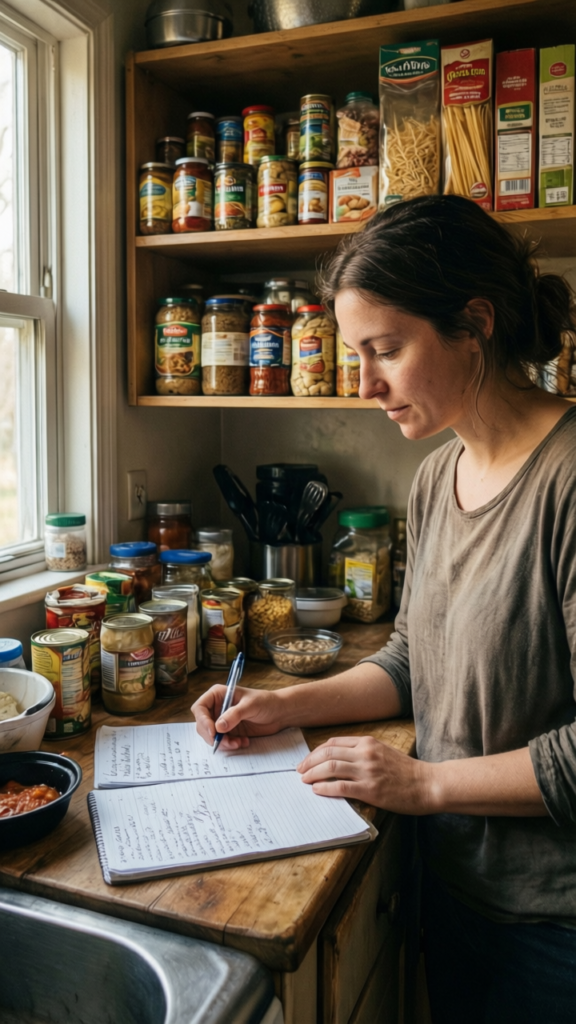
This habit alone saved us more money than almost anything else.
I used to grocery shop like a chaotic raccoon with no memory of what already existed inside the pantry.
Now I check the fridge first.
Food waste quietly drains money fast.
Takeaway: Using existing groceries first lowers food costs immediately.
Convenience costs money constantly.
Food delivery, same-day shipping, pre-cut snacks, and quick online purchases feel harmless individually. Together they become financially aggressive.
Simple routines usually cost less.
The more organized my home became, the less emergency spending happened.
Takeaway: Reducing convenience spending creates major long-term savings.
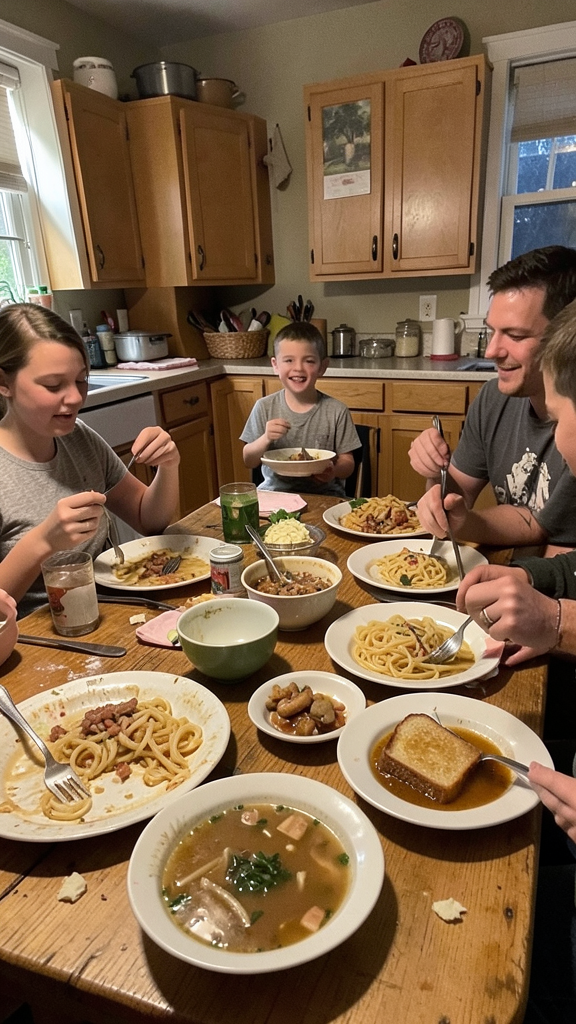
This sounds deeply unexciting, but honestly it works beautifully 🙂
One night every week we intentionally eat leftovers, random freezer meals, or simple pantry dinners before buying more groceries.
The goal is reducing waste, not creating gourmet experiences.
Takeaway: Leftover nights reduce food waste and grocery costs significantly.
I say this as someone who once convinced herself decorative storage baskets would transform her entire personality.
They did not.
A lot of unnecessary spending comes from buying items that look productive instead of actually improving daily life.
Peaceful homes usually contain less stuff, not more.
Takeaway: Buying fewer unnecessary household items saves money and reduces clutter.
Expensive takeout often happens because people feel tired, stressed, or emotionally done with life by dinner time.
Having easy backup meals prevents that.
Simple food can still feel comforting.
FYI, exhausted people spend more money because convenience starts looking emotionally supportive.
Takeaway: Easy low-cost meals reduce expensive last-minute food spending.
This habit changed my spending dramatically.
I started challenging myself to fully use beauty products, pantry items, candles, notebooks, and cleaning supplies before replacing anything.
Turns out most homes already contain plenty.
Using existing items first creates awareness fast.
Takeaway: Finishing what you already own prevents unnecessary shopping.
Social media makes people feel like outfits require constant updates.
Meanwhile most adults rotate the same favorite clothes repeatedly anyway.
Once I stopped treating outfit repetition like a crime, clothing spending dropped immediately.
Nobody remembers your sweater rotation as much as you think they do.
Takeaway: Repeating clothes confidently reduces unnecessary fashion spending.
Subscriptions quietly multiply like houseplants you forgot existed.
One month I checked our recurring charges and genuinely felt betrayed by my own streaming services.
Tiny recurring charges become expensive over time.
I review subscriptions every few months before renewal dates hit unexpectedly :/
Takeaway: Regular subscription audits free up money quickly.

This mindset shift honestly helped more than strict budgeting ever did.
Once staying home started feeling cozy instead of boring, spending naturally decreased.
A peaceful home life saves money quietly.
Takeaway: Enjoying simple home routines naturally lowers spending.

Kids grow fast. Furniture gets scratched. Household items rarely need to be brand new.
Secondhand shopping saved us so much money once I stopped caring about perfection.
Honestly, half the time nobody can even tell.
Takeaway: Buying secondhand reduces expenses without lowering quality.
Impulse spending loses power when delayed slightly.
Now I wait at least 24 hours before buying anything unnecessary online. Most items stop feeling urgent surprisingly fast.
Emotional excitement fades quickly.
Takeaway: Delaying purchases reduces unnecessary spending dramatically.
I know. Everybody says this. Annoyingly, it still works.
Daily coffee shop runs add up fast over time.
I made home coffee feel more enjoyable with better mugs, flavored creamers, and slower morning routines.
Tiny upgrades at home reduce expensive habits elsewhere.
Takeaway: Small daily savings create noticeable long-term financial benefits.
Random store trips usually become accidental spending events.
I started grouping errands together intentionally and shopping with lists only.
Less exposure creates less temptation.
Takeaway: Intentional shopping habits reduce impulse purchases naturally.
Small utility habits matter more than people realize.
Tiny habits lower monthly expenses consistently.
More mindful energy use lowered bills without changing comfort much at all.
Takeaway: Simple utility habits reduce monthly household expenses steadily.
Not everything requires hiring help immediately.
Basic household skills save money constantly over time.
Perfection is not required.
YouTube tutorials have saved our household more money than I expected.
Takeaway: Basic DIY skills reduce everyday household expenses.
Living paycheck to paycheck emotionally drains people fast.
Even small emergency savings create breathing room.
Tiny savings still matter.
IMO, financial peace matters more than appearing wealthy online.
Takeaway: Small emergency funds reduce financial stress significantly.
Comparison creates expensive habits.
Social media constantly encourages people to upgrade homes, wardrobes, vacations, and lifestyles unnecessarily.
I focused more on creating a peaceful home instead of an impressive one.
That shift changed my spending habits emotionally.
Takeaway: Less comparison reduces pressure to overspend.
Some weeks you will overspend. Some months life gets expensive unexpectedly.
That does not mean you failed.
Consistency matters more than perfection.
Living cheaply works best when it feels sustainable instead of punishing.
That balance matters 🙂
Takeaway: Sustainable frugal habits create long-term financial stability.
The best budget-friendly ways to live cheaply are usually the small habits repeated consistently.
One leftover night. One canceled subscription. One delayed purchase. One calmer routine at home. Those tiny decisions slowly create more financial breathing room over time.
You do not need an extreme minimalist lifestyle to save money successfully. You just need habits that reduce waste, lower stress, and support real life realistically.
And honestly, a simpler life often feels better than a constantly expensive one anyway.