Physical Address
304 North Cardinal St.
Dorchester Center, MA 02124
Physical Address
304 North Cardinal St.
Dorchester Center, MA 02124


Discover 11 practical, real-life strategies to successfully live on one income, reduce financial stress, and build a simpler, more intentional lifestyle without feeling deprived.
The card got declined at the grocery store while my daughter was asking for yogurt pouches I had already said yes to. Not a dramatic moment. Just quiet embarrassment, a long line behind me, and that sinking feeling of doing math in your head that never adds up.
That was the week we decided to live on one income.
Not because it felt empowering or trendy. Because we had to make it work.
If you are here, you probably know that pressure. So let’s talk about real, practical ways to handle it without pretending it’s easy.

You cut one paycheck, but the bills do not politely shrink with it. Rent stays the same. Groceries somehow get more expensive. Life keeps happening.
I used to think the problem was lack of discipline. Turns out, it was lack of systems.
Takeaway: Living on one income is not about willpower. It is about structure.
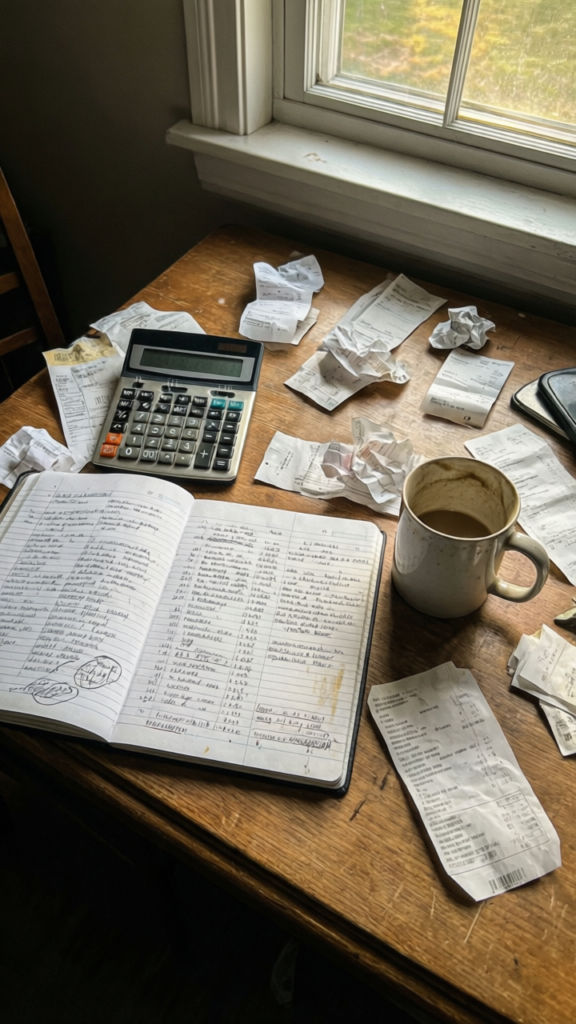
Before you optimize anything, you need a survival version of your budget.
List only the essentials:
Ignore subscriptions, shopping, and everything fun for a moment.
This step is uncomfortable. It shows you the minimum you need to stay afloat. But it also gives you clarity.
Takeaway: Know your survival number before trying to improve it.
When we switched to one income, I stopped thinking like a spender and started thinking like a manager.
Every dollar got assigned a job:
No guessing. No vague plans.
IMO, this shift alone changed everything. You stop reacting and start deciding.
Takeaway: Manage your income with intention, not emotion.
Not everything expensive is bad. Not everything cheap is good.
We kept:
We cut:
Ask yourself one simple question. Would I miss this next month?
If the answer is no, it goes.
Takeaway: Keep what supports your life. Cut what just fills space.
Monthly budgets feel abstract. Weekly limits feel real.
We switched to a simple system:
When the weekly budget ran out, that was it. No borrowing from next week.
It felt restrictive at first. Then it felt freeing.
Takeaway: Weekly limits prevent monthly disasters.

Because it does.
I used to grocery shop based on cravings. Now I shop based on a plan:
No complicated recipes. No aspirational cooking.
Just food that gets eaten.
And yes, we still have instant noodles nights. Balance, right 🙂
Takeaway: A simple meal plan saves more money than extreme couponing.
You do not need a huge savings account to start.
We started with:
It is not about the amount. It is about breaking the paycheck-to-paycheck cycle.
That small buffer keeps small problems from turning into debt.
Takeaway: Start small, but start now.
Decision fatigue is real. Especially when money is tight.
We automated:
That way, we did not rely on memory or motivation.
Less thinking, fewer mistakes.
Takeaway: Automation protects you from your tired self.

Living on one income does not mean you cannot earn more. It just means you are intentional about how.
I picked up:
Nothing overwhelming. Just consistent.
Even an extra 100 to 300 a month made a difference.
Takeaway: Small income streams can relieve big pressure.
Frugal does not mean miserable.
We still:
But we stopped chasing expensive versions of happiness.
Turns out, kids care more about attention than aesthetics. Who knew.
Takeaway: Frugal living is about priorities, not deprivation.
Money stress can get ugly fast.
We made it a habit to:
Not every conversation was smooth. Some were tense. Some were quiet.
But avoiding the topic made everything worse.
FYI, silence is expensive.
Takeaway: Communication prevents resentment.
No one talks about this enough.
Living on one income means:
That discomfort does not mean you are failing.
It means you are adjusting.
Over time, it gets easier. Not perfect. Just manageable.
Takeaway: Discomfort is part of the process, not a sign to quit.
A typical week for us looks like this:
Monday: Review budget and plan meals
Tuesday: Work and no spending day
Wednesday: Grocery shopping within budget
Thursday: Side hustle work in the evening
Friday: Simple family night at home
Weekend: Low-cost outings like parks or visiting friends
Nothing fancy. Nothing Instagram-worthy.
But it works.
And honestly, that matters more.
We tried to skip steps at the beginning.
Big mistake.
Here are a few things that did not work:
They did not.
Progress came when we slowed down and stayed consistent.
Takeaway: Consistency beats intensity every time.
At first, living on one income felt like limitation.
Now it feels like control.
We:
And weirdly, I feel less stressed about money now than when we had two incomes.
Because now, we actually pay attention.
Living on one income is not a magic fix or a trendy challenge. It is a practical decision that requires real adjustments.
You will mess up some weeks. You will overspend sometimes. You will question if it is worth it.
But if you build simple systems, stay consistent, and keep your expectations realistic, it becomes doable.
Start small. Stay honest. Keep going.
Because at the end of the day, it is not about having less money. It is about finally knowing where your money is going.