Physical Address
304 North Cardinal St.
Dorchester Center, MA 02124
Physical Address
304 North Cardinal St.
Dorchester Center, MA 02124


Cut your spending fast with these creative and slightly uncomfortable money saving tips that actually work in real life.
The grocery total hits higher than expected. Again. You stare at the screen for a second like maybe it will glitch and drop. It does not. Your brain starts doing that quiet math spiral of rent, school stuff, random life expenses, and suddenly saving money feels like a joke.
I have been there more times than I want to admit. Running a business, raising a kid, managing a home, it all adds up fast. And normal budgeting tips sometimes feel like putting a tiny bandage on a big leak.
So I started experimenting with extreme money saving. Not the boring kind. The slightly uncomfortable, slightly creative kind that actually moves the needle.
Here are 20 money saving tips that worked for me.
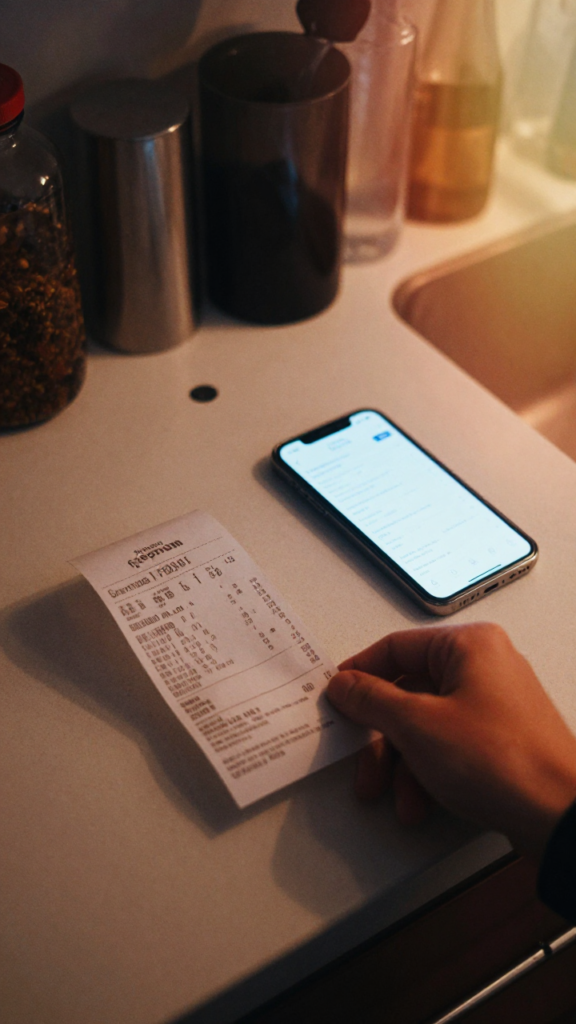

Not a soft version. A real one.
Only spend on rent, utilities, groceries, and absolute essentials. No online browsing. No casual snacks. No random cute home items that somehow cost 3x more than expected.
It feels intense in week one. Then it gets weirdly satisfying.
Takeaway: You do not realize how much you spend until you fully stop.
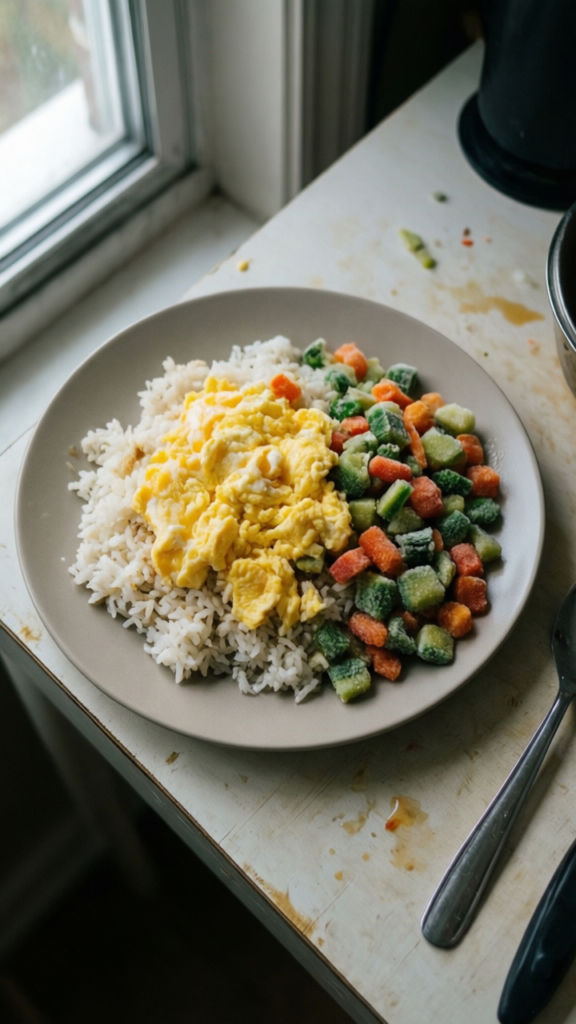
Instead of shopping weekly, build meals around what you already have.
I once made five dinners from a random mix of rice, frozen veggies, eggs, and one sad chicken breast. It was not glamorous, but it worked.
Treat it like a game. What can I make from this?
Takeaway: Your pantry is probably more stocked than you think.
Go through your bank statement line by line.
Streaming services, apps, memberships. If you forgot you had it, you do not need it.
I cut five in one sitting and did not miss a single one. Shocking, right?
Takeaway: Recurring charges quietly drain your budget.
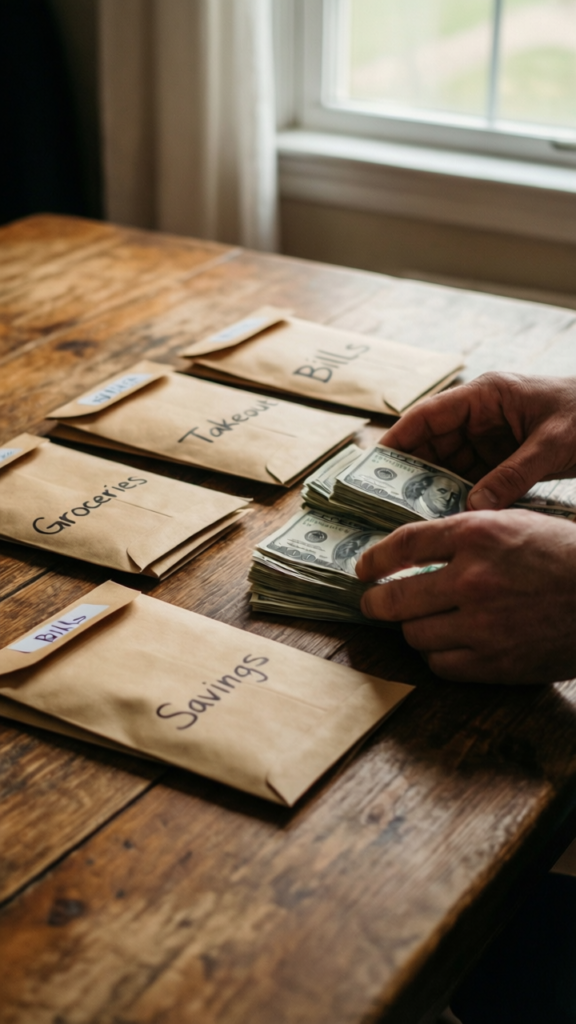
Withdraw a set amount for the week and use only cash.
When the money is gone, it is gone. No tapping your card like nothing happened.
It feels old school, but it forces awareness instantly.
Takeaway: Cash makes spending feel real.
Batch cooking saves time and money.
Make a large meal and repurpose it. Roast chicken becomes salad, wraps, and soup.
Less cooking. Less spending. Less stress.
Takeaway: One effort can cover multiple meals.
Want to buy something? Wait three days.
Most of the time, the urge disappears. If it does not, then maybe it is worth it.
This trick alone saved me from dozens of impulse buys :/
Takeaway: Time filters out unnecessary spending.
Every time you buy something new, remove something old.
Clothes, kitchen items, random decor.
It makes you pause before buying because you know something has to go.
Takeaway: More stuff equals more spending pressure.
Before purchasing something, ask if you can make it.
Cleaning products, simple decor, even gifts.
I once made a birthday gift basket from things I already had. It looked thoughtful and cost almost nothing.
Takeaway: Convenience costs more than creativity.
Pick your worst spending areas. Mine was takeout and random online shopping.
Assign each a cash envelope with a limit.
Once empty, you stop. No exceptions.
Takeaway: Limits work better when they are visible.
Switch to store brands for groceries and basics.
Most of the time, the difference is just packaging.
I tested this with my usual list and saved a noticeable amount without sacrificing quality.
Takeaway: Branding is expensive, not always better.
Set a bold goal.
If you normally spend 8 million VND, aim for 4 million. Plan meals tightly. Reduce waste. Skip extras.
It forces smarter decisions quickly.
Takeaway: Extreme goals create fast awareness.
Walk around your home and pick 10 items.
List them online. Clothes, gadgets, unused baby items.
It clears space and brings in extra cash.
Takeaway: Your clutter might be someone else’s treasure.
Eating out should feel intentional, not automatic.
Pick one day per month. Dress up a bit. Make it special.
Everything else gets cooked at home.
Takeaway: Scarcity makes experiences more valuable.
Write down everything. Every coffee, every snack, every small purchase.
It sounds annoying. It is. But it works.
Patterns become obvious fast.
Takeaway: Awareness changes behavior faster than motivation.
Create a list of things you want.
Wait 30 days before buying anything on it.
Most items lose their appeal. The ones that stay actually matter.
Takeaway: Wanting is not the same as needing.
Call your service providers.
Internet, phone, insurance. Ask for a better rate or a promotion.
It feels awkward for about 30 seconds, then you realize it can save real money.
Takeaway: Prices are often flexible if you ask.

Instead of paid outings, look for free options.
Parks, home movie nights, game nights, community events.
My daughter honestly enjoys simple activities more anyway. Go figure 🙂
Takeaway: Fun does not have to be expensive.
Take everything out. Try things on.
You will rediscover pieces you forgot about.
I found outfits I had not worn in months and suddenly did not feel the need to shop.
Takeaway: You already own more than you use.
Give yourself a fixed amount per week.
Try to beat it. Spend less and carry the difference forward.
It turns saving into something a bit competitive. Even if you are competing with yourself.
Takeaway: Gamifying money makes it easier to stick to.
You do not have to live like this forever.
Extreme saving works best in short bursts. A few months of focused effort can change your financial situation fast.
Think of it as a reset, not a lifestyle sentence.
Takeaway: Intensity works when it has a clear end point.
Trying these extreme money saving tips was not about becoming super frugal forever.
It was about breaking autopilot.
I started noticing patterns. Emotional spending. Convenience habits. Small leaks that added up to big numbers.
And honestly, I felt more in control. Not restricted, just aware.
Saving money does not always come from cutting one big expense. It often comes from stacking small, intentional decisions.
If you try even five of these ideas, you will see a difference.
Start with the one that feels slightly uncomfortable. That is usually the one that works best.
Because sometimes the real problem is not how much you earn. It is how quietly the money disappears.