Physical Address
304 North Cardinal St.
Dorchester Center, MA 02124
Physical Address
304 North Cardinal St.
Dorchester Center, MA 02124


Simple and realistic budget planning tips to help busy moms manage school season expenses without stress or overspending.
The school list sits on the table. Shoes, supplies, random fees that somehow were not mentioned before. You open your banking app, do a quick mental calculation, and immediately feel that tight pressure in your chest.
You want to get everything your kid needs. You also want your bank account to survive the month.
That tension is real for a lot of moms. The goal is not to eliminate it completely. The goal is to manage it without losing your mind.
Here are 12 stress-free budget planning tips for school season moms that actually make this time of year feel doable.

Do not overcomplicate this.
Break your budget into:
Keep it basic and clear.
I used to try to track everything in detail. That lasted about three days.
Takeaway: Simple plans are easier to follow when life gets busy.
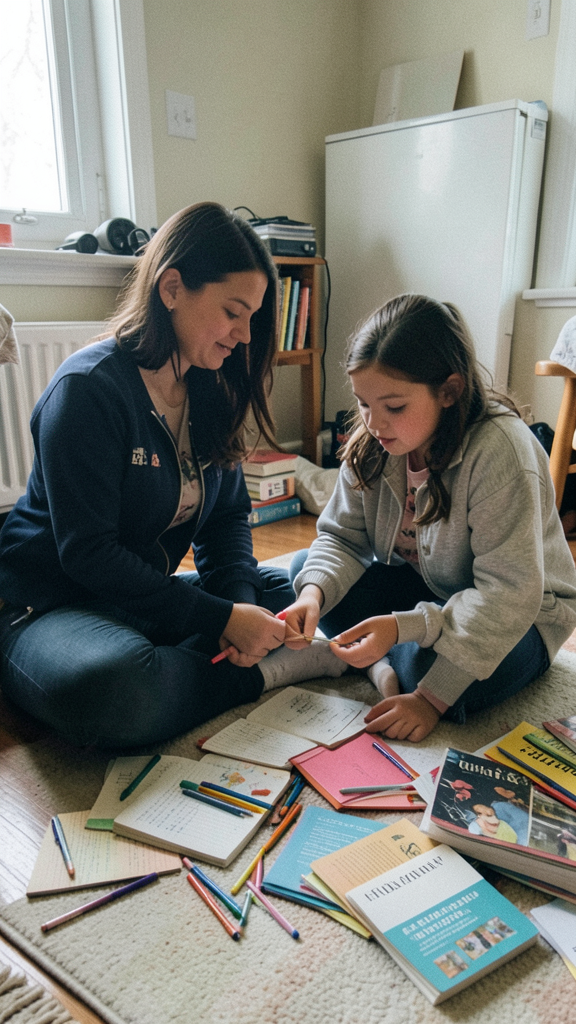
Before buying anything, do a quick inventory.
Look for:
You will find more than you expect.
Last year I found unopened notebooks from the year before. That felt like free money.
Takeaway: Use what you have before spending more.

This is where most budgets fall apart.
Be honest about:
Do not guess low just to feel better.
IMO, realistic numbers reduce stress more than perfect ones.
Takeaway: A realistic budget prevents last minute panic.
You do not need everything at once.
Try:
Half of those extras never become necessary.
This approach saved me from so many impulse buys.
Takeaway: Phased shopping helps you avoid overspending.
Monthly budgets can feel overwhelming.
Break it down into:
It feels more manageable.
This helped me stop overspending halfway through the month.
Takeaway: Weekly control makes budgeting easier to stick to.
Food spending increases fast during busy weeks.
Keep it simple:
You do not need fancy recipes.
FYI, simple meals saved me more money than cutting anything else.
Takeaway: Meal planning keeps food costs predictable.
Going too strict creates more problems.
Allow:
It reduces constant asking.
And keeps the experience enjoyable 🙂
Takeaway: A small fun budget prevents bigger impulse spending.
Do not try to manage five different tools.
Pick one:
Stick with it.
I tried doing everything at once and ended up doing nothing.
Takeaway: Consistency beats complexity every time.
There are always extra expenses.
Expect:
Plan a small buffer.
Because these costs will show up whether you are ready or not.
Takeaway: Planning for extras reduces financial stress.

This one is harder than it sounds.
Try:
Most impulse buys feel less important after a day.
Ask yourself if it is actually needed.
Takeaway: Slowing down decisions reduces unnecessary spending.

Take five to ten minutes each week.
Look at:
No judgment.
Just awareness.
Some weeks will look messy. That is normal :/
Takeaway: Regular check-ins keep your budget on track.
This season is busy. Things will not go perfectly.
Allow:
Trying to control everything creates more stress.
Let your budget breathe a little.
Takeaway: Flexibility makes your budget sustainable.
It is not about having perfect control.
It is about:
You are managing real life, not running a financial experiment.
The goal is progress, not perfection.
School season will always bring extra expenses and unexpected moments. That part does not change.
What you can control is how you respond to it.
With simple systems, realistic expectations, and a little flexibility, you can handle this season without constant stress.
And honestly, that is already a big win.