Physical Address
304 North Cardinal St.
Dorchester Center, MA 02124
Physical Address
304 North Cardinal St.
Dorchester Center, MA 02124

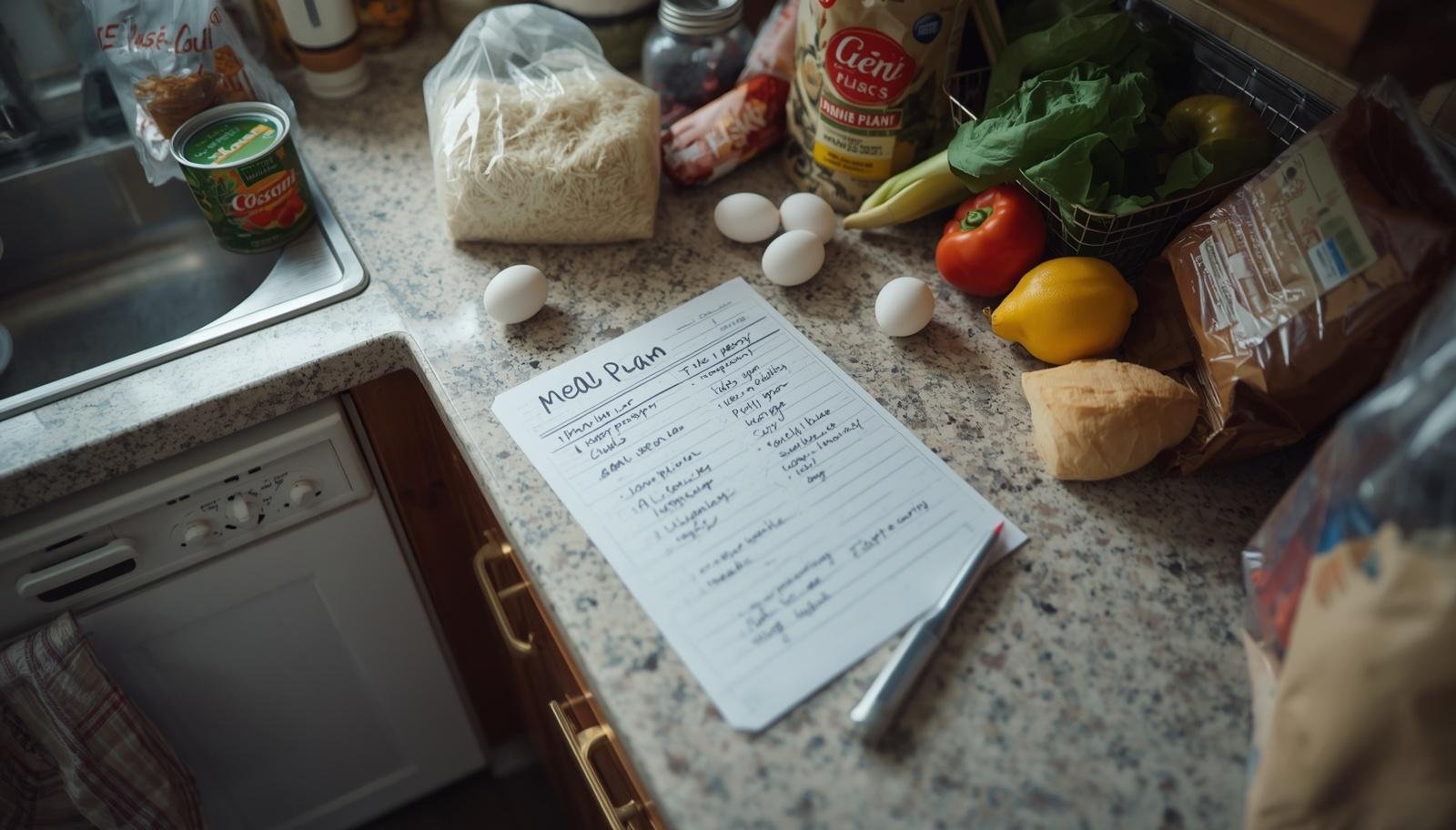
A simple, realistic system to build a family grocery list on a budget so you spend less, waste less, and stop stressing at checkout every week.
The cart looked normal. Bread, milk, some chicken, snacks for my daughter. Nothing fancy. Then the total popped up and I just stood there thinking… how did this happen again?
If you’ve ever walked into a grocery store with a plan and still overspent, you’re not alone. Feeding a family is already a full-time job. Doing it on a budget feels like a strategy game you didn’t sign up for.
So I stopped guessing. I built a system. These are the exact 12 smart ways to build a family grocery list on a budget that actually work in real life.

Most lists aren’t the problem. The way we build them is.
I used to write random items like vegetables, meat, snacks. That’s not a plan. That’s a wishlist with good intentions.
Here’s what usually goes wrong:
Takeaway: A grocery list only works if it’s built around real meals and real habits.
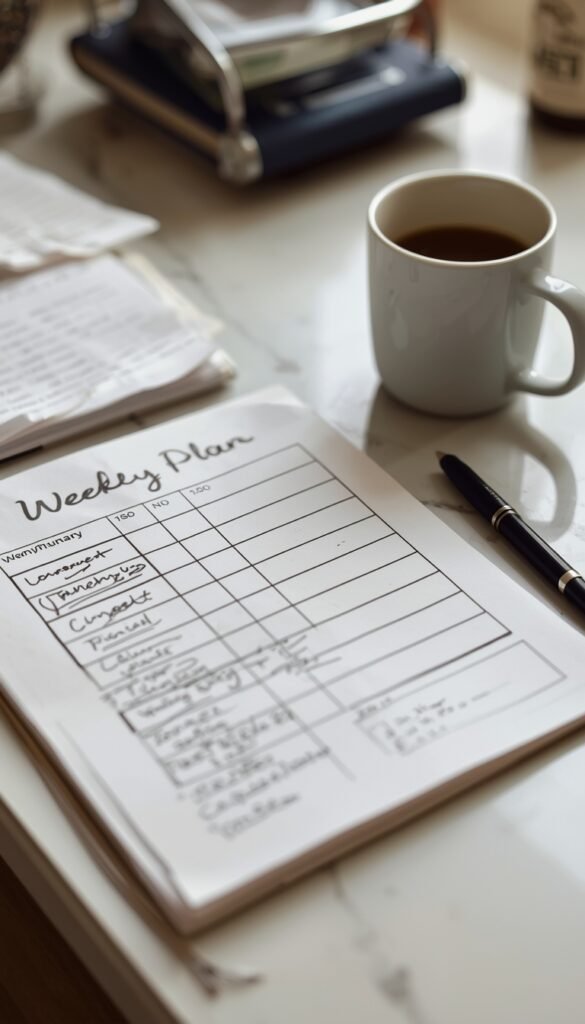
This changed everything for me.
Instead of listing items, I list meals first. Just 5 to 7 simple dinners. Nothing complicated.
Then I build the list from those meals.
Takeaway: Meals first, groceries second. Always.
I stopped reinventing the wheel every week. I follow a loose structure now.
This keeps things predictable and cheap.
Takeaway: A repeatable formula saves time and money.
Still writing grocery lists from scratch every week?
This free grocery list generator turns your meal ideas into a clean, organized shopping plan in seconds.
Protein is where your budget disappears fast.
Instead of buying five different meats, I pick one or two and stretch them across meals.
Less variety, more savings. No one complains as much as you think IMO.
Takeaway: Fewer proteins mean lower costs and easier planning.
This is where smart planning kicks in.
I look for ingredients I can use in multiple meals.
This reduces waste and keeps the list tight.
Takeaway: Every ingredient should have more than one job.
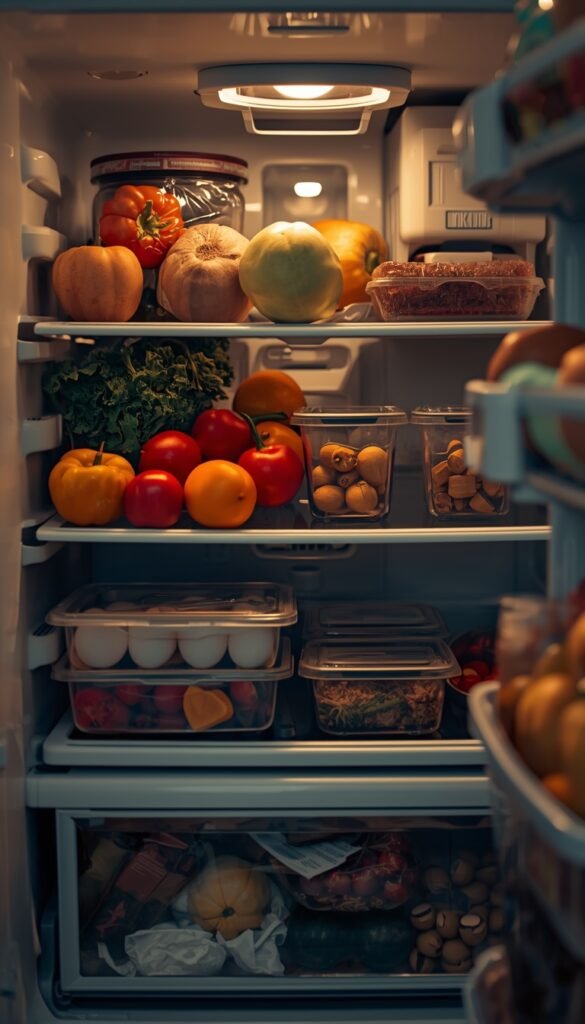
This sounds obvious. I ignored it for years.
Now I do a quick scan before writing anything down.
You already paid for that food. Use it.
Takeaway: Your pantry is part of your grocery budget.
I didn’t like this at first. It felt restrictive.
Now it feels freeing.
When I set a number, I make better choices automatically.
No guessing at checkout. No surprise stress.
Takeaway: A clear budget forces smarter decisions.
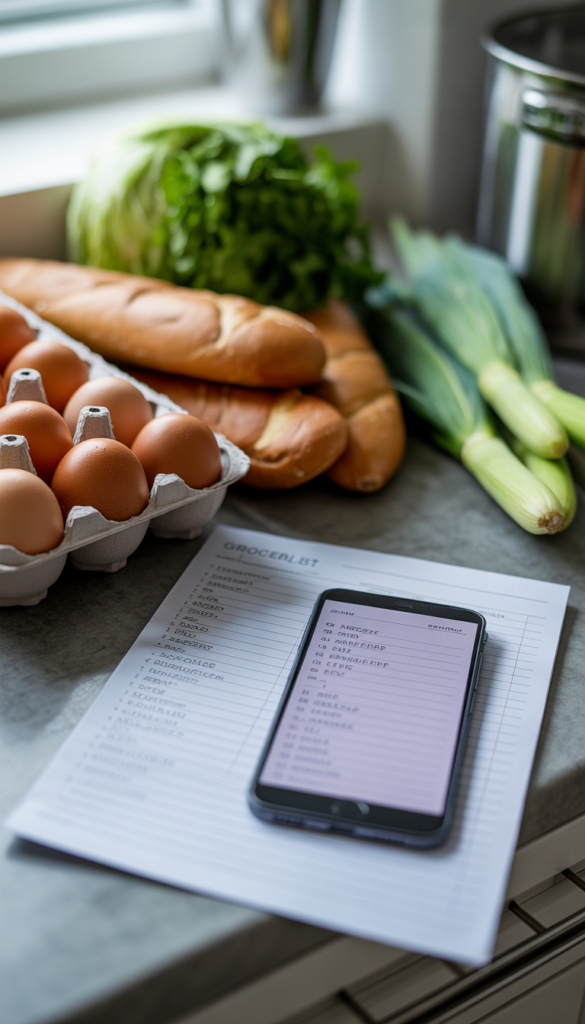
I organize my list by sections of the store.
This keeps me focused and prevents random grabbing.
Also, I finish shopping faster. That alone saves money because I stop wandering.
Takeaway: Structure your list to match the store layout.
Leftovers used to be accidental. Now they are part of the plan.
Example. Roast chicken one night, chicken soup the next.
Takeaway: Leftovers are a strategy, not an afterthought.
I have a mental list of cheap meals I can always fall back on.
These save me when money feels tight or I don’t want to think.
Takeaway: A small list of cheap meals reduces stress fast.
This one hurts a little.
I used to buy ingredients for meals I might cook. Spoiler. I didn’t.
Now I only buy for meals I already planned.
No random ingredients. No guilt when food goes bad.
Takeaway: If it’s not on the meal plan, it doesn’t go in the cart.
I learned this the hard way.
Hungry shopping equals snack overload. Emotional shopping equals weird purchases.
Now I eat before I go. Simple fix. Big difference.
Takeaway: Your mindset affects your grocery bill more than you think.
I tried doing everything in my head. That lasted about a week.
Now I use a basic meal planner and grocery list system to keep things consistent.
It doesn’t have to be fancy. It just has to work for your life.
If you want something quick and practical, I use a simple weekly planner that turns meals into a grocery list automatically. It saves me time and mental energy, which honestly matters more than anything when you have a family 🙂
Takeaway: Consistency beats complexity every time.

Let me show you how this comes together.
That’s it. No complicated system.
When I started doing this, our grocery bill dropped and my stress dropped with it. That alone made it worth it.
Building a family grocery list on a budget is not about being perfect. It’s about being intentional.
These smart ways to build a family grocery list on a budget are simple because they need to work on busy days, tired nights, and weeks when you just don’t feel like trying that hard.
Start small. Pick a few of these strategies and test them this week. Adjust as you go.
Because at the end of the day, the goal is not to become some super organized meal planning expert. The goal is to spend less, waste less, and still feed your family without that moment at checkout where you question everything.