Physical Address
304 North Cardinal St.
Dorchester Center, MA 02124
Physical Address
304 North Cardinal St.
Dorchester Center, MA 02124


These simple ways to save money fast on bills helped me cut everyday expenses without feeling miserable, overwhelmed, or forced to give up every little comfort :)
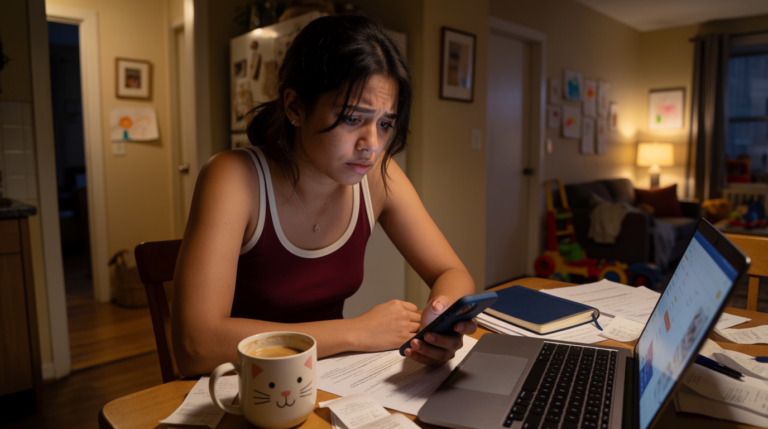
The electric bill hit my inbox while I stood in the kitchen reheating coffee for the third time. Not because I enjoyed lukewarm coffee. Because I kept opening the banking app, closing it, then pretending the numbers would magically change if I ignored them long enough.
Bills have a sneaky way of piling up all at once. Internet. Water. Groceries. Phone plan. That random subscription you forgot existed since last summer. Suddenly you feel personally attacked by your own mailbox.
I started looking for simple ways to save money fast on bills after realizing I spent more on convenience than actual necessities. Tiny habits drained my wallet faster than big emergencies. The annoying part? Most of them felt normal.
The good news is you do not need to live in darkness eating dry crackers to save money. Small changes work surprisingly well when you stick to them.


Bills rarely explode overnight. They creep up quietly. One extra streaming service here. More takeout there. Longer showers because life feels exhausting.
I noticed this after working from home full time. My electricity bill climbed because my laptop stayed plugged in all day, the air conditioner worked overtime, and apparently everyone in my house forgot light switches existed.
A lot of saving money fast on bills comes down to awareness first. Not perfection. Nobody wins trophies for suffering through winter without heat 🙂
Takeaway Statement: Your bills are usually a reflection of daily habits, not personal failure.


This saved me way more money than I expected. I found duplicate music apps, unused fitness memberships, and a meditation app I downloaded during one stressful Tuesday night and never opened again.
Subscriptions love hiding in the background. Companies count on that. Sneaky little goblins.
Grab your bank statement and highlight every recurring payment. Every single one.
Ask yourself:
Cancel first. Re-subscribe later if needed. Most apps will survive without you.
Takeaway Statement: Removing unused subscriptions creates instant monthly breathing room without changing your lifestyle much.


Groceries became my financial chaos category. I went shopping hungry one time and somehow returned home with expensive cheese, frozen desserts, and zero actual dinner ingredients. Incredible strategy. Truly.
Now I rotate about 8 reliable meals every month. Nothing fancy.
Some regulars include:
This cut food waste fast. FYI, wasting groceries hurts twice because you lose money and still end up ordering takeout later.
Takeaway Statement: Simple meal repetition saves more money than complicated budgeting systems.


I avoided this for years because I hate awkward phone calls. Then I saved money in fifteen minutes and suddenly became very brave.
Internet providers and phone companies often have cheaper plans available. You usually need to ask directly.
Keep it simple.
Try saying:
That last line works suspiciously well.
One phone call dropped my internet bill by enough to cover several grocery trips monthly. Not life changing money, but definitely coffee-and-snacks changing money :/
Takeaway Statement: Negotiating bills feels uncomfortable for five minutes and rewarding for months.
Tiny convenience purchases wreck budgets quietly.
Food delivery fees. Express shipping. Pre-cut fruit. Coffee shop runs. Individually they seem harmless. Together they form a financial jump scare.
I realized I paid extra constantly because I felt tired. Busy moms and freelancers know this pattern very well.
Now I keep backup snacks, frozen meals, and coffee supplies at home. Not because I became wildly organized. Because I got tired of spending absurd amounts on grilled cheese sandwiches delivered to my door.
Takeaway Statement: Convenience usually costs more than the product itself.


You do not need to sit in darkness sweating dramatically to lower utility bills.
Small adjustments matter more than extreme ones.
I started unplugging appliances at night, washing clothes with cold water, and opening curtains during the day instead of immediately turning on lights. My electric bill actually dropped noticeably.
The dryer especially shocked me. That machine consumes electricity like it has personal beef with my wallet.
Takeaway Statement: Energy savings work best when habits feel realistic enough to repeat.
This one sounded cheesy until I tried it.
One day every week, I spend absolutely nothing. No takeout. No online shopping. No random little treats.
At first it felt weirdly emotional. Apparently I used spending as entertainment more than I realized. Oops.
A no spend day resets your brain fast. You notice how often boredom triggers spending.
Takeaway Statement: One intentional no spend day helps break automatic spending habits quickly.


Water bills seem smaller than other expenses until they suddenly are not.
Kids especially treat water like an unlimited magical resource. My daughter once left the bathroom sink running long enough to start a small emotional crisis inside me.
Now we keep things simple.
None of this feels dramatic. That is why it actually works.
Takeaway Statement: Small water habits add up quietly over time.
Minimalism helps bills more than people realize.
More stuff means more cleaning products, storage bins, repairs, batteries, upgrades, and replacements. Every item creates extra spending eventually.
I started questioning purchases differently.
Instead of asking:
Ask:
That last question hurts a little sometimes. IMO, emotional shopping disguises itself as self care surprisingly often.
Takeaway Statement: Owning less often lowers monthly expenses automatically.


Saving money manually sounds great until life gets busy.
Automation changed everything for me. I started transferring a small amount into savings immediately after payday. Nothing dramatic.
Even tiny automatic transfers help because you stop relying on motivation every week.
This reduces stress too. Fewer late fees. Fewer forgotten bills. Fewer moments staring at your account wondering where your paycheck disappeared.
Takeaway Statement: Automation protects your goals from your tired brain.
The biggest surprise? I did not need extreme budgeting.
I needed awareness, consistency, and fewer emotional spending decisions. Fancy budgeting spreadsheets never helped me as much as basic habits repeated weekly.
Some months still feel expensive. Life happens. Kids need things. Appliances break. Unexpected costs appear right after you finally feel financially responsible. Very rude behavior from the universe.
But these small changes created real breathing room over time.
Learning simple ways to save money fast on bills changed how I viewed everyday spending. I stopped chasing perfection and focused on habits that felt manageable in real life.
Start with one or two changes first. Cancel subscriptions. Lower a bill. Plan meals for the week. Tiny progress counts more than dramatic plans you quit after four days.
Your bills do not need to control your mood every month. And honestly, opening your banking app without immediate panic feels pretty amazing.