Physical Address
304 North Cardinal St.
Dorchester Center, MA 02124
Physical Address
304 North Cardinal St.
Dorchester Center, MA 02124


These practical budgeting habits can help you organize your income, reduce financial stress, and build a more stable life without relying on unrealistic money rules.
The paycheck hit the account on Friday morning. By Tuesday afternoon, half of it somehow disappeared into groceries, bills, school expenses, coffee runs, and one completely unnecessary online purchase I barely remembered making. Then came the classic adult panic thought. Wait. Where did all my money actually go?
That cycle gets exhausting fast.
A lot of people think budgeting means becoming painfully strict and never enjoying life again. Meanwhile, most of us just want enough control to stop feeling stressed every time we open the banking app.
After years of freelancing, running a business, raising a daughter, and trying to manage unpredictable income months without spiraling emotionally, I realized something important. Learning how to master your income budget is mostly about awareness and simple systems. Not perfection.
If your finances feel messy lately, these 9 essential steps to master your income budget can help you build more stability without turning your life into a punishment.

This sounds obvious until you actually sit down and calculate it honestly.
For years, I budgeted based on optimistic numbers. I included future freelance projects that were not confirmed yet and random income that might happen eventually. Apparently my budget believed in manifestation more than math 🙂
Everything changed once I started using realistic income averages instead.
That lower number creates breathing room instead of constant financial stress.
I separated guaranteed income from unpredictable income. That alone made budgeting feel calmer immediately.
Takeaway: A stable budget starts with honest income numbers, not hopeful guesses.
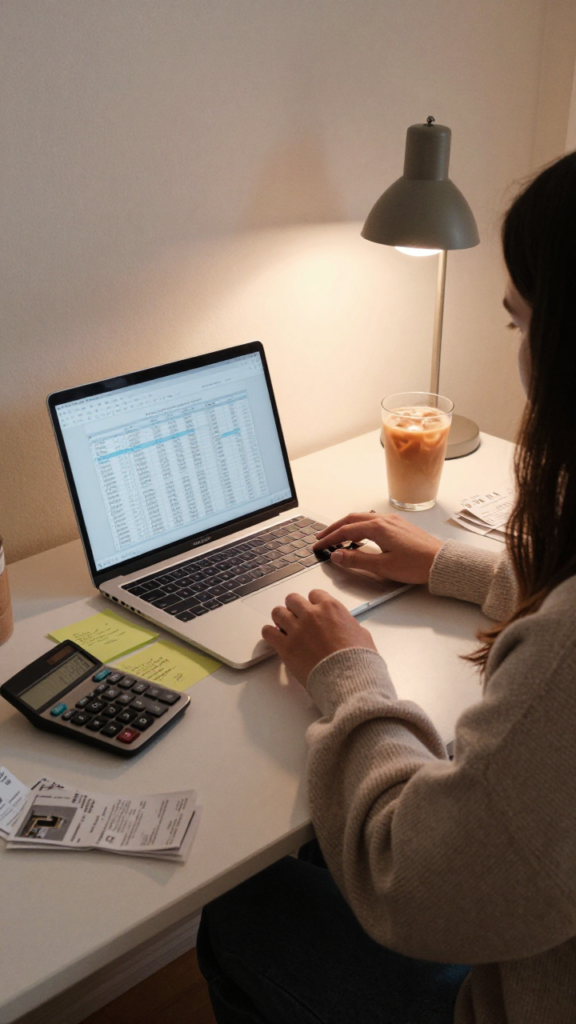
I avoided this step forever because I assumed it would make me feel guilty.
Honestly, it mostly made me feel shocked.
Tiny purchases quietly drain money faster than most people realize. Delivery fees. Coffee stops. Last-minute convenience shopping. Random subscriptions hiding in the background like tiny financial raccoons.
Do not judge yourself while tracking. The goal is awareness, not self-punishment.
FYI, people usually underestimate spending by a lot.
Takeaway: You cannot master your income budget without knowing where your money actually goes.

This step lowered my anxiety more than any budgeting app ever did.
A bare minimum budget includes only your essential survival expenses. Nothing extra. Just the amount needed to keep life functioning during difficult months.
Knowing your survival number creates a weird sense of calm because emergencies stop feeling completely catastrophic.
Freelancers, business owners, and families with variable income especially need this number ready at all times.
Takeaway: A bare minimum budget creates financial clarity during stressful seasons.
Before budgeting consistently, my money mostly wandered around unsupervised causing chaos.
Now every paycheck gets assigned immediately.
The goal is intentional spending instead of emotional spending.
I stopped leaving extra money sitting loosely in checking accounts. Loose money disappears mysteriously. Every single time.
Takeaway: Assigned money gets used more intentionally than unplanned money.
Fantasy budgets look impressive for about three days.
Mine used to assume:
Real life disagreed aggressively.
Budgets fail when they ignore human behavior.
IMO, sustainable habits beat extreme budgeting every single time.
Takeaway: Realistic budgets survive longer than restrictive budgets.
Automation reduced my financial stress dramatically.
Bills stopped getting forgotten. Savings actually happened consistently. Late fees disappeared. Amazing concept honestly.
Even automating small amounts helps build consistency.
Automation protects your finances during busy or emotionally exhausting weeks when your brain feels fried.
That matters more than people admit.
Takeaway: Automated systems create stability even during chaotic seasons.
Most people only look at their finances when something goes wrong. Then panic enters the conversation immediately.
Instead, I started doing quick weekly budget check-ins every Sunday evening.
Nothing dramatic. Just 15 minutes.
Those tiny check-ins prevent huge financial surprises later.
Money stopped feeling emotionally scary because I looked at it regularly instead of avoiding it.
Takeaway: Frequent small budget reviews prevent bigger money problems later.

People often think savings only counts if you save huge amounts.
Meanwhile, my first consistent savings habit was transferring tiny amounts weekly because that was all I could manage comfortably at the time.
Small savings still matter.
Tiny habits create momentum.
Financial confidence grows slowly. You build it through repetition, not dramatic overnight change.
Takeaway: Small savings habits matter more than occasional large deposits.
This may be the most important step in mastering your income budget.
Life will stay unpredictable.
Kids get sick. Cars need repairs. Groceries become weirdly expensive overnight. Sometimes you just feel exhausted and need convenience without guilt.
A budget should support your life, not control every tiny decision.
One bad spending week does not erase your progress.
I stopped viewing budgeting as punishment and started treating it like self-care for future me.
That mindset shift changed everything 🙂
Takeaway: Flexible budgets create more long-term success than rigid financial rules.
Even strong budgets fail sometimes because of a few common habits.
Most budgeting problems come from avoidance, not lack of intelligence.
That realization honestly helped me stop feeling ashamed about money mistakes.
You do not need complicated systems to manage money well.
Choose the simplest system you will actually use consistently.
The best budget system is never the prettiest one online. It is the one that fits your actual lifestyle.
Learning how to master your income budget is not about becoming perfect with money. It is about creating enough structure that life feels calmer and less financially overwhelming.
Some months will still go sideways. Unexpected expenses will still appear at the worst possible times. You will probably still make random purchases occasionally because you are human.
But small consistent habits add up quietly.
One weekly check-in. One automated payment. One realistic grocery plan. One honest look at spending habits. Those choices slowly create stability over time.
And honestly, financial peace usually comes from simple systems repeated consistently. Not from perfection.