Physical Address
304 North Cardinal St.
Dorchester Center, MA 02124
Physical Address
304 North Cardinal St.
Dorchester Center, MA 02124


These simple and realistic savings goal ideas can help you build better money habits, reduce financial stress, and make saving feel motivating instead of overwhelming.
The online shopping cart sat open while I tried convincing myself that another candle somehow counted as emotional stability. Meanwhile, my savings account looked painfully quiet in the background. Not empty exactly. Just… deeply unimpressed with my financial choices.
Saving money sounds simple until real life enters the conversation.
Groceries get expensive. Kids need things constantly. Random bills appear out of nowhere. Then suddenly saving money starts feeling like some unrealistic personality trait only organized people with matching storage containers can achieve.
But honestly, building savings goals does not need to feel boring or restrictive. Some of the best saving habits actually become easier once you make them feel fun, visual, and realistic for everyday life.
If your motivation disappears every time you hear the word budget, these 8 fun and easy ideas for your savings goals can help you save money without making life miserable.

This changed everything for me.
For years, I tried saving money just because responsible adults supposedly do that. Shockingly, vague guilt turned out to be terrible motivation 🙂
Once I started attaching savings to specific goals, everything felt more exciting.
Specific goals feel emotionally real.
I renamed my savings accounts with actual life goals instead of generic labels. Saving for peaceful mornings feels more motivating than saving account number three.
Takeaway: Personal savings goals create stronger motivation than vague financial pressure.

Big savings goals feel intimidating sometimes. Weekly challenges feel manageable.
One of my favorite methods was saving a small amount every Friday before the weekend spending started. Tiny habit. Huge difference.
Small consistency matters more than dramatic effort.
FYI, tiny savings still count even if social media acts like everybody should save thousands overnight.
Takeaway: Small weekly habits build savings faster than occasional extreme effort.

Numbers alone never motivated me emotionally.
But once I created printable savings trackers and physically colored progress sections, something shifted in my brain. Suddenly saving money felt weirdly satisfying.
Yes, this feels slightly childish. Yes, it still works beautifully.
I keep a visible vacation savings tracker near my desk because visual reminders stop me from spending money mindlessly online.
Takeaway: Visible progress keeps savings goals exciting and motivating.
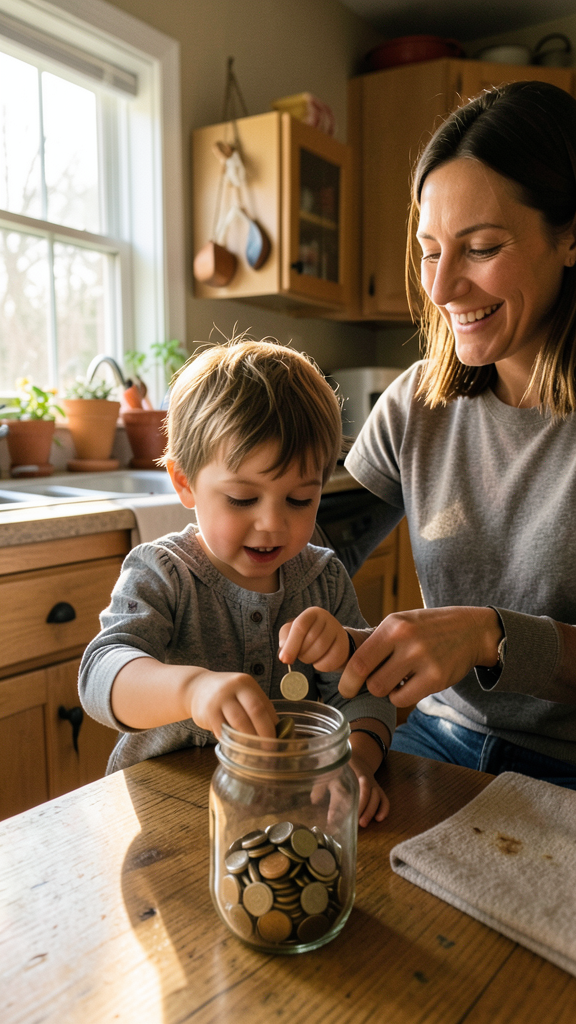
Saving money feels easier when the whole household participates instead of one stressed adult carrying the responsibility alone.
My daughter once started putting spare coins into our vacation jar after hearing us talk about saving for future travel. Honestly, it became one of the sweetest habits in the house.
Children learn financial habits faster when they see saving connected to positive experiences.
Family savings goals create teamwork instead of financial tension.
Takeaway: Shared savings goals help families feel more connected and motivated.
A lot of people quit saving because the process feels emotionally exhausting.
If every financial decision feels restrictive, motivation disappears fast. Humans need encouragement occasionally.
You can celebrate progress without sabotaging your goals.
IMO, sustainable money habits should still leave room for joy.
Takeaway: Small rewards help savings habits feel sustainable long term.
Automation quietly changed my finances more than any complicated budgeting system ever did.
Once savings transfers happened automatically, I stopped relying on motivation or memory. Thank goodness honestly because my brain gets distracted by approximately everything.
Even tiny automatic amounts build momentum over time.
Money sitting loosely in checking accounts tends to disappear mysteriously.
Automation protects your goals before emotional spending happens.
Takeaway: Automated savings create consistency without requiring daily discipline.

This sounds dramatic, but hear me out.
One reason people struggle with savings goals is because spending often feels more exciting than staying home or keeping things simple.
That changed once I started appreciating slower routines more intentionally.
Simple routines started feeling comforting instead of restrictive.
A peaceful life often costs less than a chaotic one.
Takeaway: Enjoying simpler routines naturally supports better savings habits.
This may be the most important lesson about saving money.
Some months your savings goals will move quickly. Other months life throws surprise expenses directly into your plans without warning.
That does not mean you failed.
Progress matters more than perfection.
I stopped treating savings like punishment and started viewing it as future stability for myself and my family.
That mindset shift changed everything 🙂
Takeaway: Consistent small progress creates stronger financial habits than perfection ever will.
Even good savings plans fail sometimes because of unrealistic expectations.
Most people do not fail because they are irresponsible. They fail because their systems feel impossible to maintain long term.
That difference matters.
People often assume saving requires huge income changes. Sometimes small adjustments create enough breathing room to start.
Tiny changes add up quietly over time.
Honestly, most savings goals grow from consistency, not dramatic sacrifices.
The best savings goals are not the ones that look impressive online. They are the ones that actually fit your real life.
One small transfer. One no-spend weekend. One visual tracker. One simpler habit. Those tiny choices slowly build financial peace in ways that feel manageable instead of overwhelming.
You do not need perfect discipline to save money successfully. You just need realistic systems that support your life consistently.
And honestly, building savings feels a lot easier once you stop trying to make it miserable.